
Let Rohingya Learn
A comprehensive report on why Rohingya should be allowed access to education. Click to download.
Volunteer
Be an advocate for Rohingya Education. Click to volunteer
Take Action
You can help us increase our impact and do the best work we can by bringing something new to the table.
Subscribe
Subscribing to our newsletter is a great way to stay up to speed with recent developments, news and announcements.
What's New

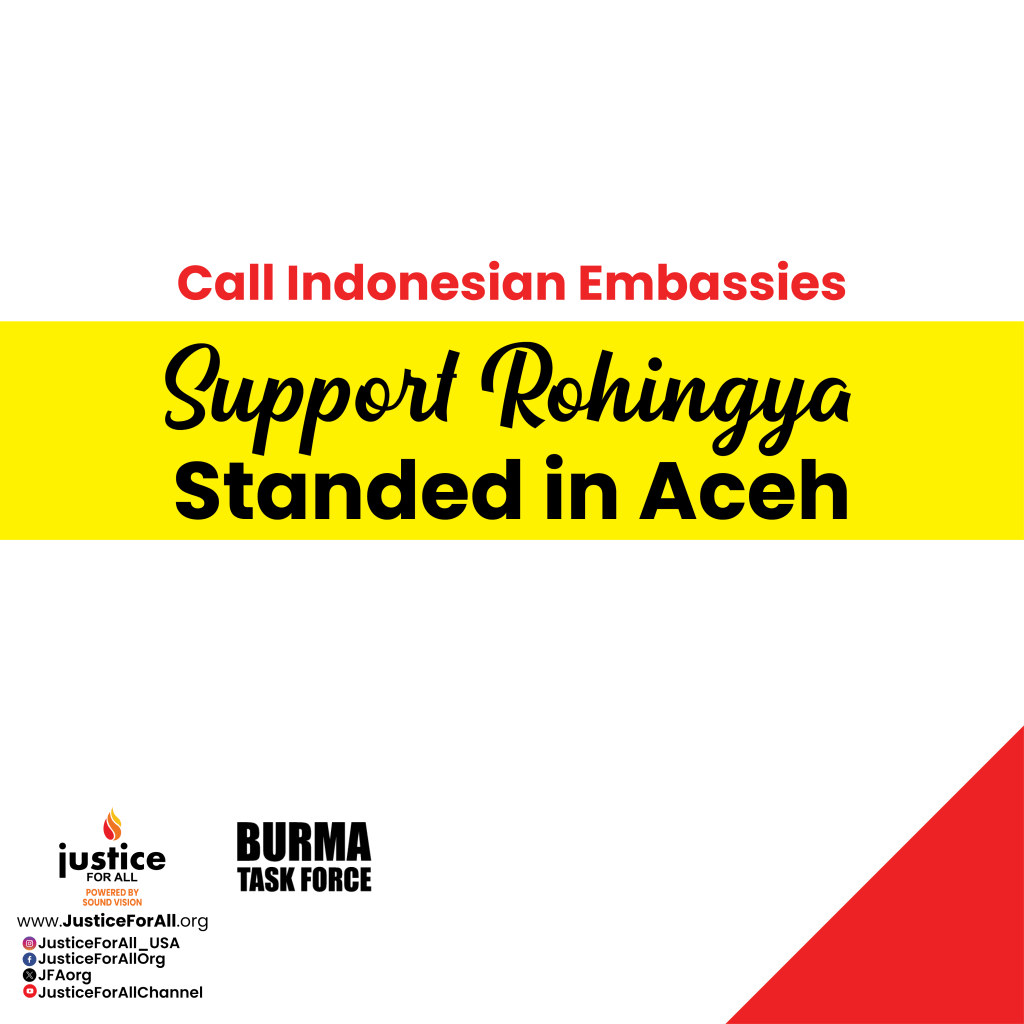
Urgent Action Alert in Support of Rohingya in Indonesia
Take immediate action by calling the Indonesian Embassy in [Your Country] to express your deep concern and solidarity with our Rohingya sisters and brothers who are currently stranded in Indonesia after fleeing the dire conditions in Cox Bazar refugee camp in Bangladesh. Dear <Name>, We implore you to take immediate action by calling the Indonesian…

Joint Letter from 190 Organizations calling for sanctions on companies supplying Tatmadaw with jet fuel
After the devastating attack in Kanbalu Township, Sagaing Region on April 11, it is clear that the recent US sanctions on jet fuel are not enough to curb the Burmese junta’s aerial campaign. On May 4th, 190 organizations and communities sent an open letter to President Biden calling for sanctions on companies supplying the Burmese…
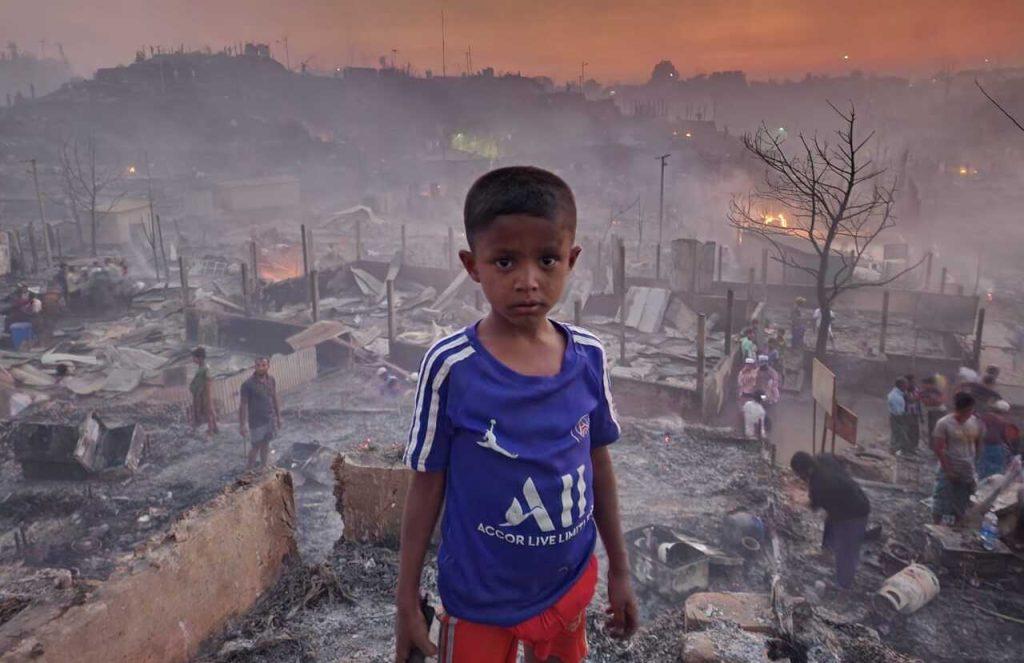
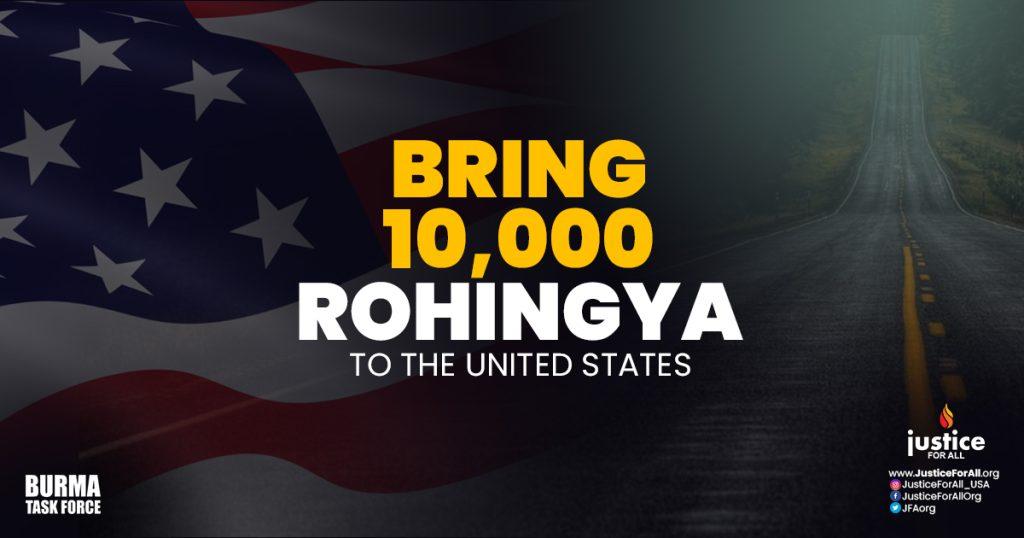
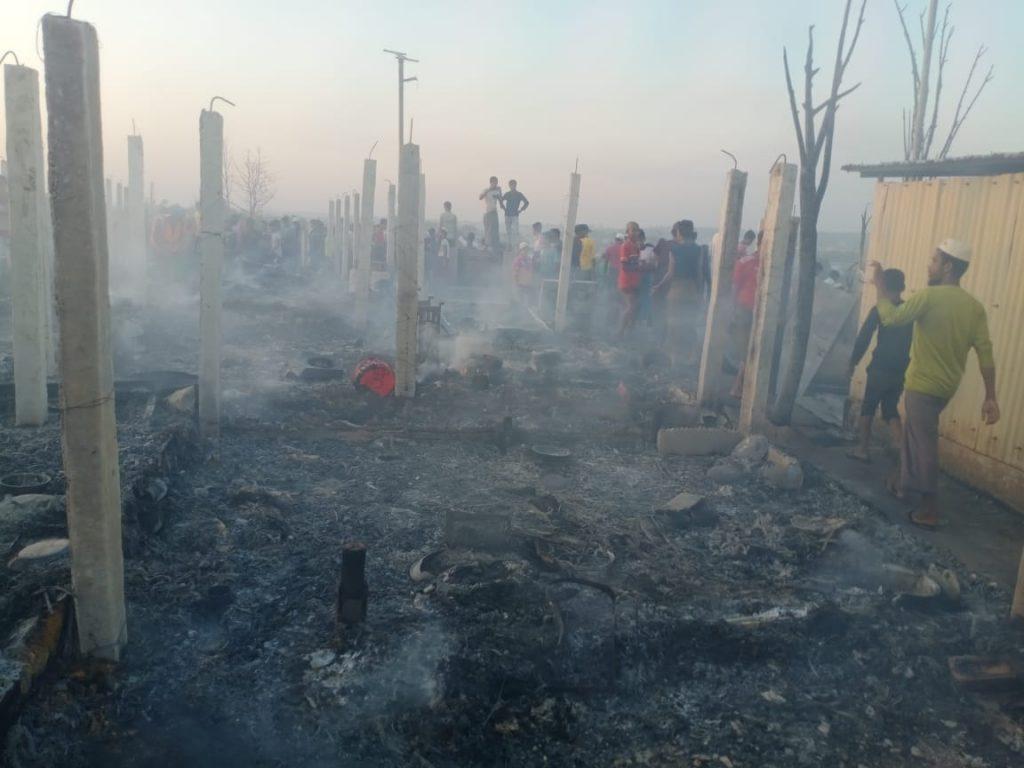
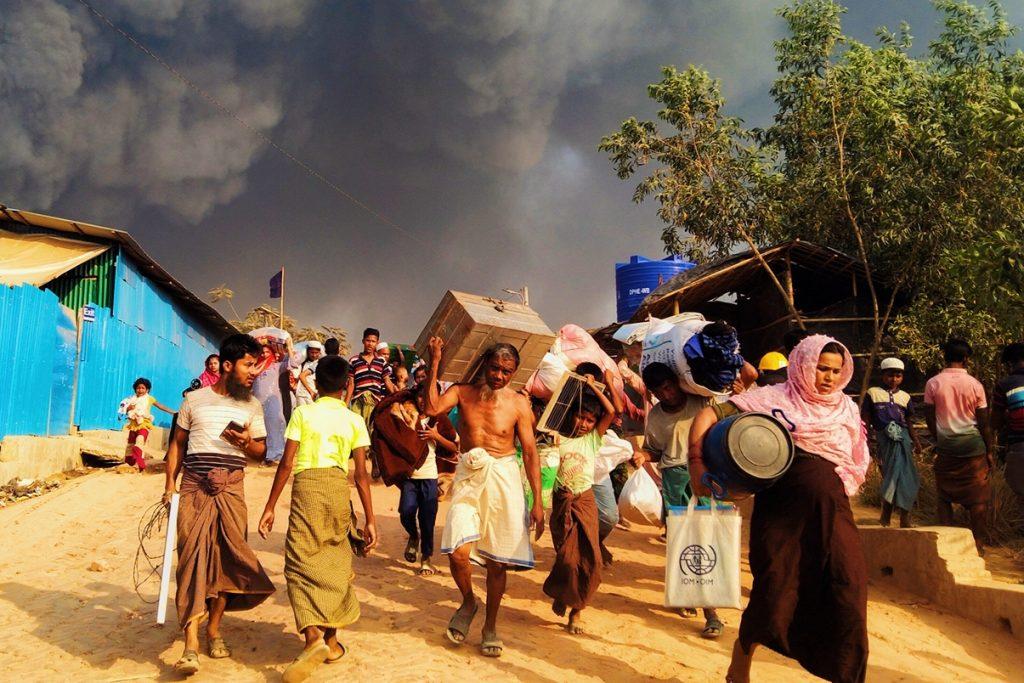
Massive Fire in Rohingya Camps: Justice For All Calls for Resettlement of 10,000 Rohingya Refugees in USA
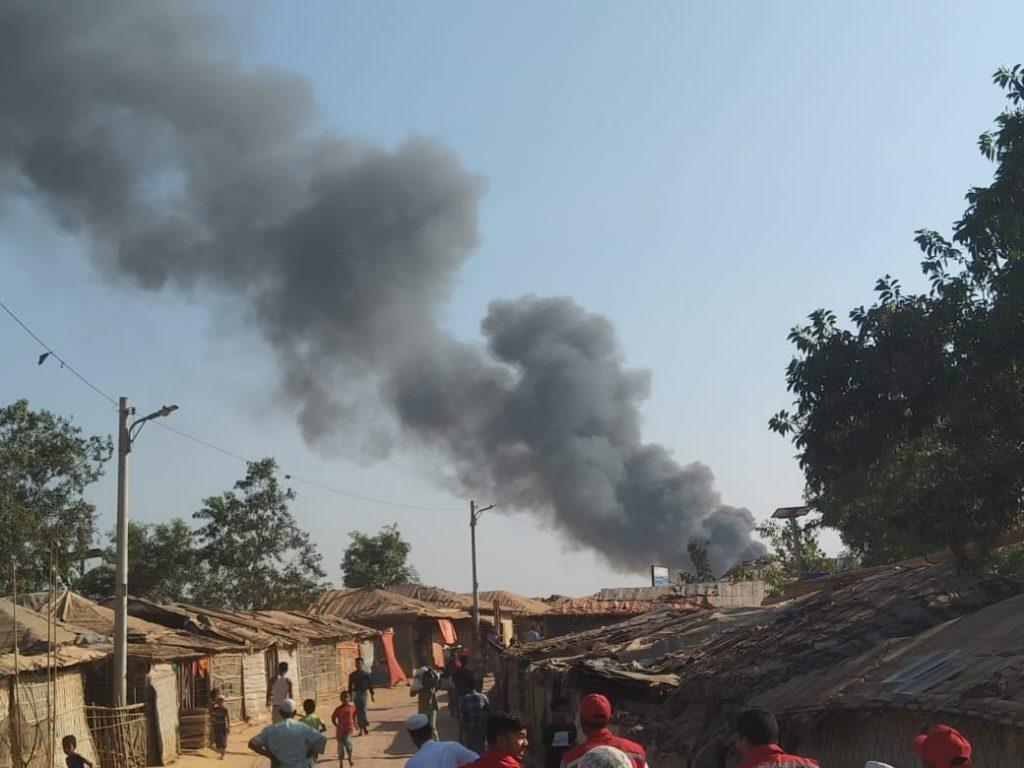
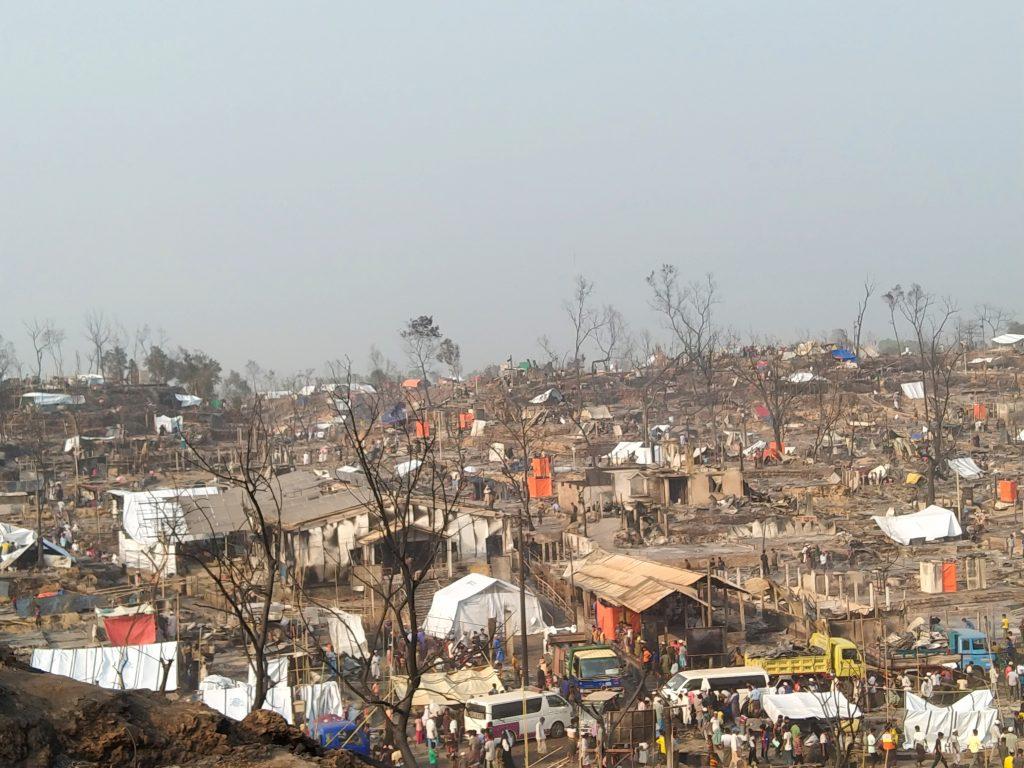
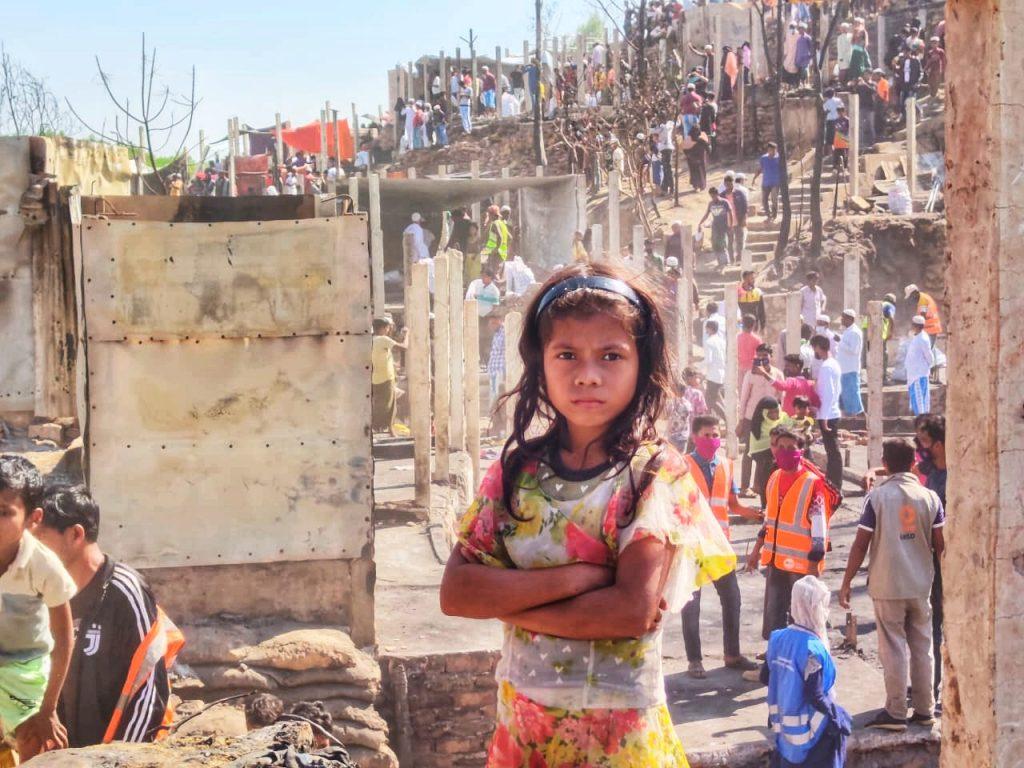
According to Burma Task Force Staff on the ground, a massive fire swept through parts of Camp 24 (Leda Camp) which is located on government-owned land in Nhilla Union of the Teknaf sub-district in Cox's Bazar, Bangladesh. The camp is host to over 15,000 Rohingya refugees. Nearly 100 shelters housing families three educational centers (Madrasas)…
Justice For All’s Burma Task Force Urges Urgent UN Security Council Discussion on Burma
Justice For All joined together with 546 Myanmar, regional and international civil society organizations (CSOs), in supporting the United Kingdom’s request for an urgent Security Council discussion on Burma (Myanmar) to address the illegal military junta’s worst civilian massacre since its failed coup, as well as the junta’s categorical refusal to comply with Security Council…
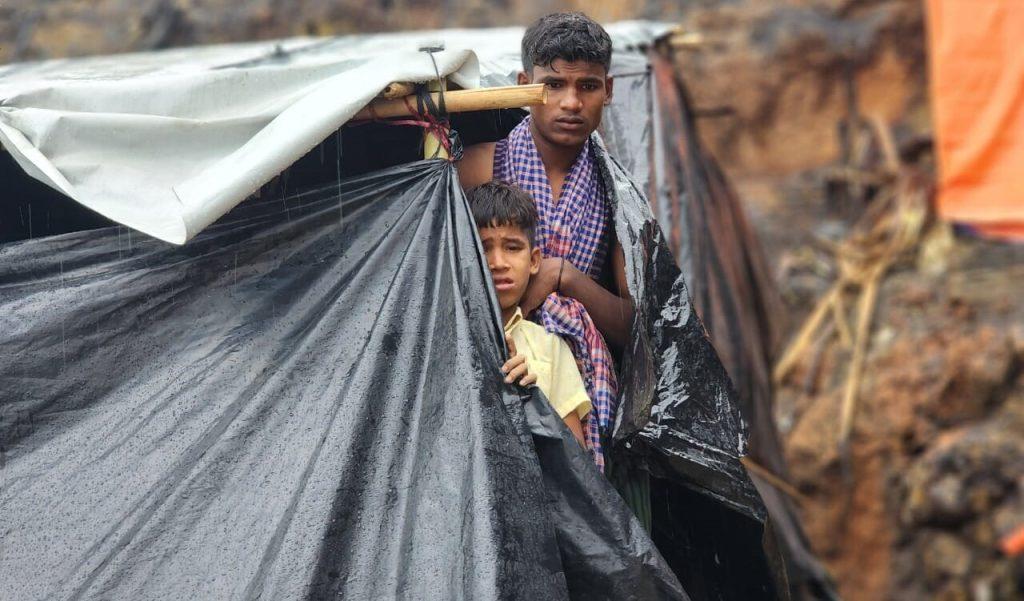
Ramadan, Rain and Food Reductions
Burma Rains have come to the Rohingya, already reeling from the effects of massive fires in the camps of Cox's Bazar and the prospect of food reductions. Bangladesh authorities have been sharing the personal data of Rohingya with Burmese military counterparts and a Burmese team has come to interview Rohingya refugees about possible repatriation. No…
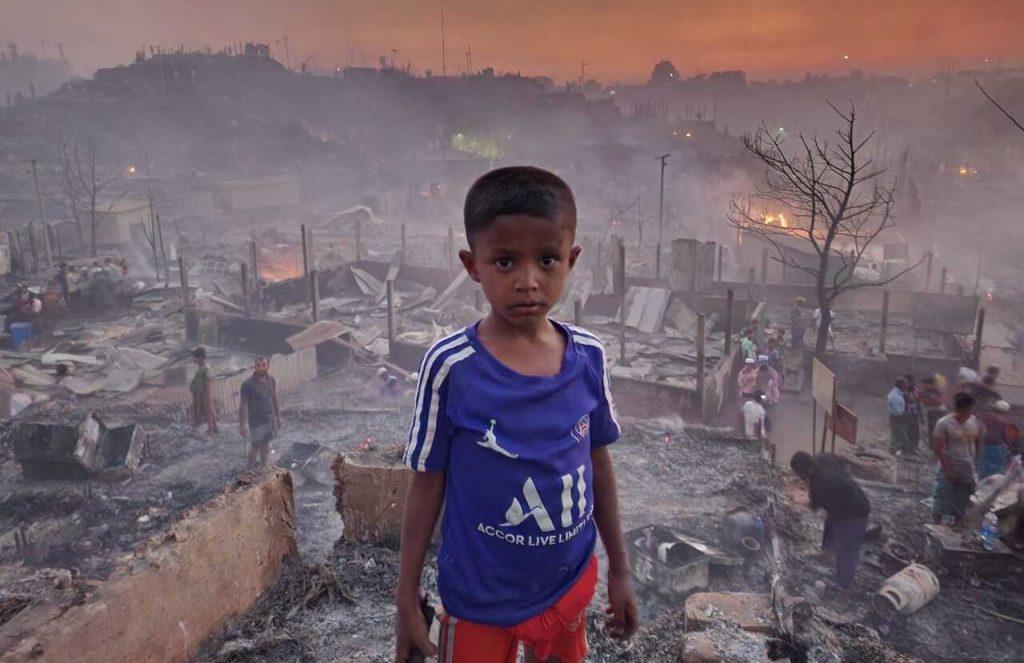
Massive Fire in Cox’s Bazar Leaving up to 12,000 Rohingya Homeless
In Cox's Bazar on March 5th, a massive fire destroyed over 1500 homes in Camp 11, leaving up to 12,000 Rohingya homeless and traumatized. With only two weeks to Ramadan, the refugee population faces new tests[1]. May we not forget them! https://www.burmataskforce.org/wp-content/uploads/2023/03/Being-a-Widow-and-Old-Woman-I-was-Unable-to-Save-a-Single-Thing-From-my-Shelter.mp4Being a Widow and Old Woman I was Unable to Save a Single Thing…
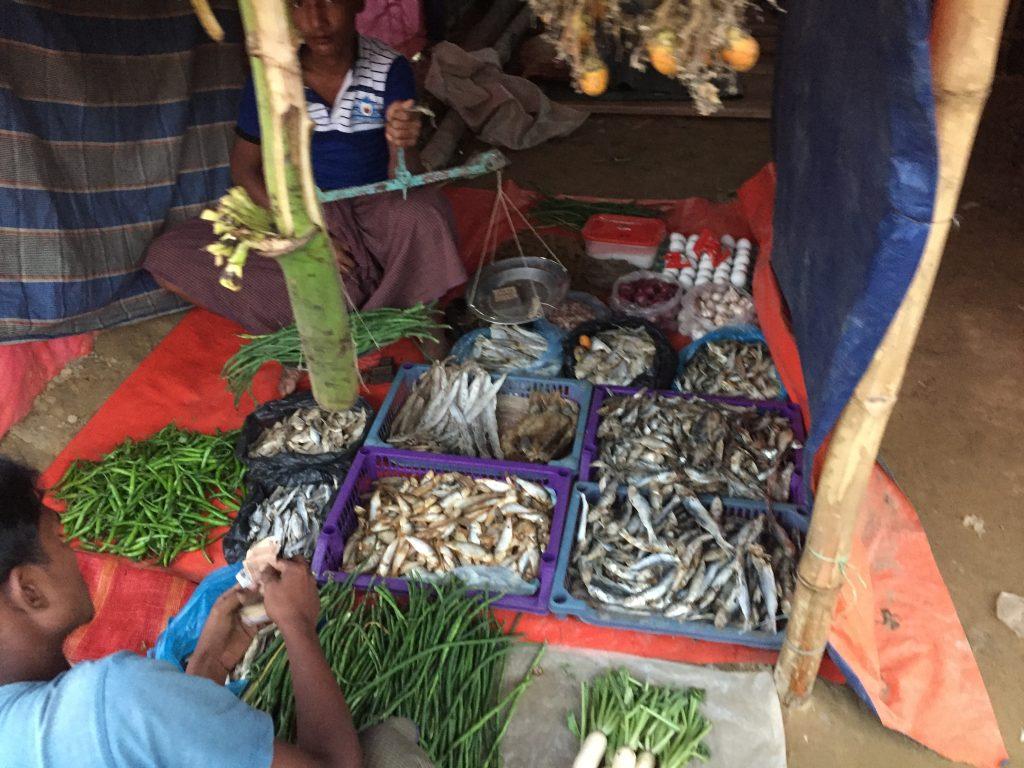
Rohingya Will Get 17% less Food While They Are Not Allowed To Work
Not Enough Money for Rohingya Refugees News reports indicate that there will not be enough donor money to feed the Rohingya living in the camps of Coxs Bazar. At a time when governments are donating to help in Turkey and Ukraine, this could be a disaster for the Rohingya, especially the weakest and most vulnerable!…
2023 February Update: Video Focus on Health in Bangladesh
What is the effect of genocide and mass displacement on the Rohingya people? The videos on this page are made by Abdullah Habib. We hope you will take the time to watch them. Rohingya people are resilient and strong but carry a heavy burden of daily challenges and injustices, like a lack of rights you…
Urgent Action Needed on 2nd Anniversary of Burmese Coup
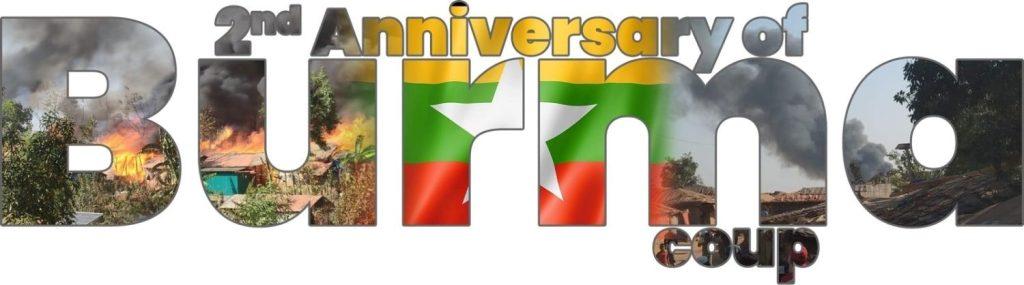
Salam, Today marks the two-year anniversary of the violent overthrow of democracy in Burma. The brutal Burmese military, not satisfied with genocide against the Rohingya minority, is fighting with 90 percent of its people, while Russia, China and India enable it with weapons sales. This week also brought two disturbing news reports regarding United States…
With Deep Dread & Sorrow Families of Rohingya Victimized by Traffickers Speak Out
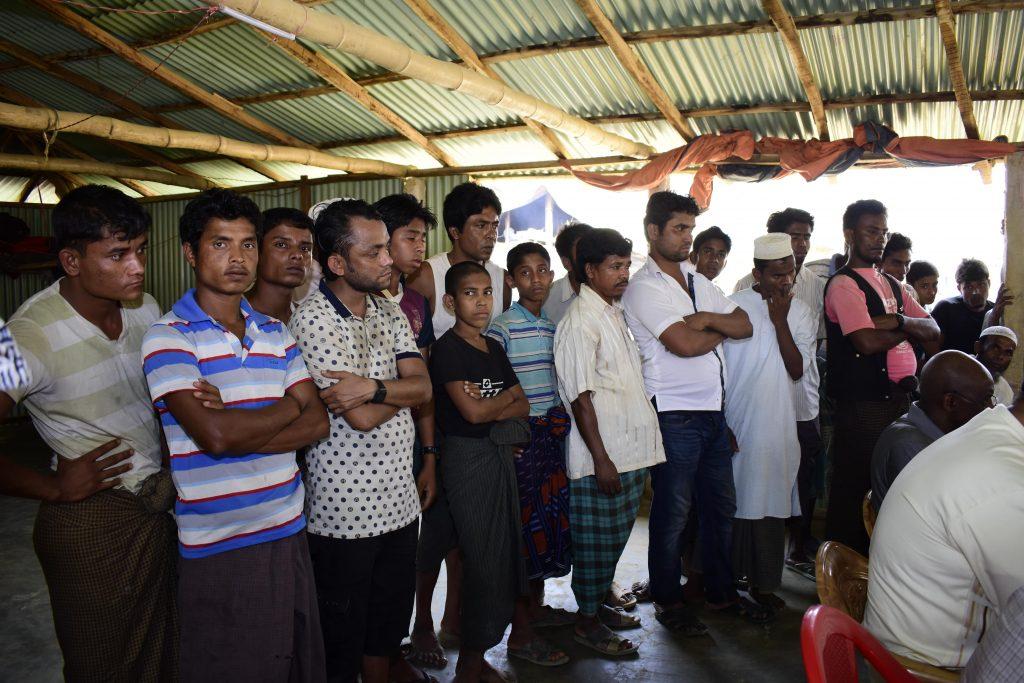
Name: Abdullah Age: 47 Address: Balukhali Others: His son Ibrahim age 18 Name: Anwor sadek. Age: 29. Address: Balukhali camp 10 block H32. Others: His brother Omar sadek age 17 and anamul hason age 19. Father Name: Nur Alam Name: Mohammed Kasim Age: 48 Address: Balukhali camp 9 block C18 Others: his son Entazul Hoq Name:…
Update: Ongoing Crisis of Trafficking, Desperation and Global Inaction
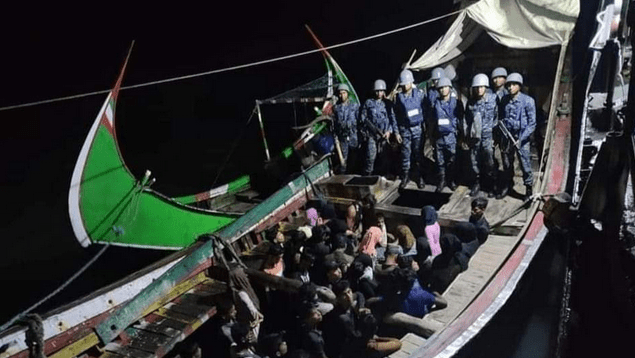
Burma Following up on last week’s report of three Rohingya boats stranded without food or fuel, the Sri Lanka navy has arrested the passengers of the one boat they rescued. Please write to the Sri Lankan government to implore them not to return the Rohingya to Burma (Myanmar) as this will put their lives in…
Boats Stranded At Sea, A Busy Week
Last week, the National Defense Authorization Act (NDAA) was passed with its language on the Rohingya somewhat edited but still showing strong support for the Burmese democratic forces of the National Unity Government. At the same time, Senator Markey’s letter asking the government of Bangladesh to increase Rohingya children’s access to education, which we had…
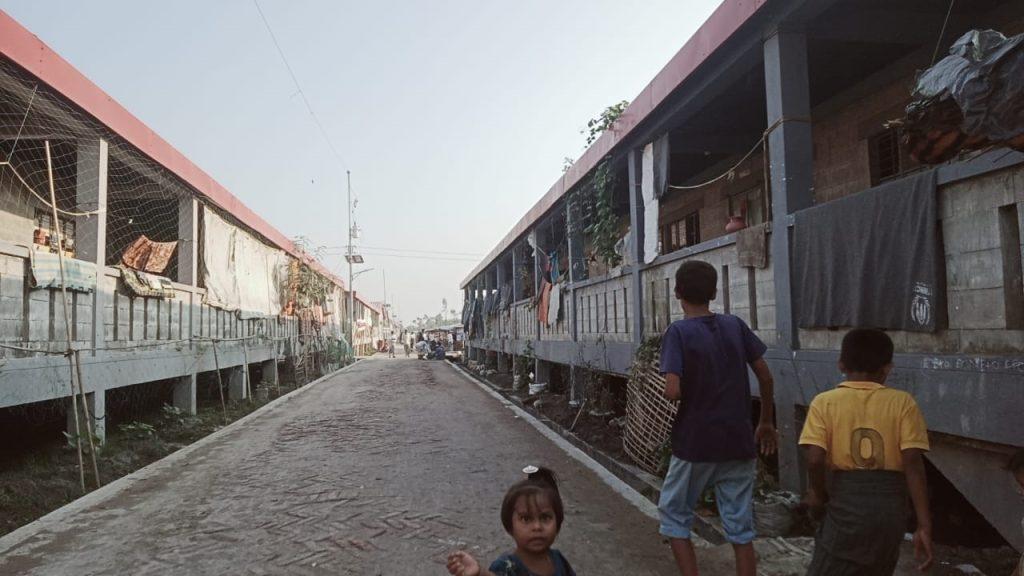
Bangladesh and Burma met last week to agree on “intelligence sharing”
Officials from both Bangladesh and Burma met last week to agree on "intelligence sharing" regarding ARSA, shifting all blame to the militant group (a favorite ploy of the Tatmadaw) and apparently failing to address the recent Burmese military disrespectfully crossing the border. There was also no mention of the new ceasefire brokered between the Burmese…

Burma Task Force Associate Abdullah Awarded in Geneva, But Prevented from Attending
Congratulations to our Rohingya Program Associate Abdullah Habib, who was given recognition this week for excellence as a stateless artist. Unfortunately he was not allowed to travel into Europe to pick up the award because he is stateless and the Bangladesh Government refused to provide travel documents, despite our many efforts. We thank Abdullah for…
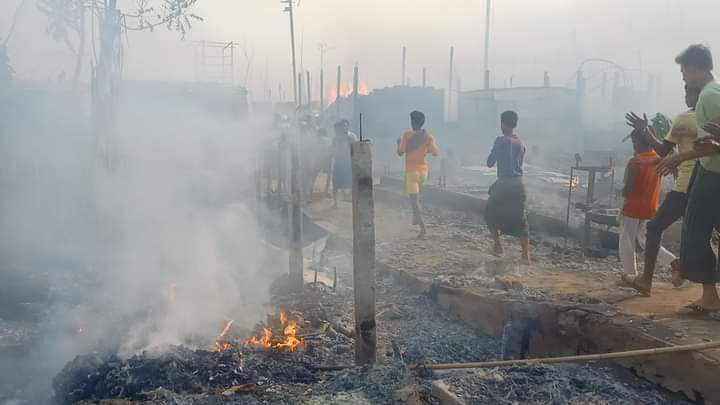
Rakhine State Violence Targets Rohingya
Rohingya civilians in Rakhine State are once more suffering from brutality, both from the Burmese military junta and from the Arakan Army. On Monday, October 10, reports indicate that two Rohingya women were raped by six AA soldiers in Northern Buthidaung. Two days earlier, a respected Rohingya teacher in nearby Guda Pyin Village was assassinated.…
Calling for Sign on – Letter to UN Sec-Gen re UN enties actions in Myanmar
Letter to the UN Secretary-General H.E. Mr. António Guterres United Nations Secretary-General United Nations Secretariat 42nd Street, New York, NY 10017 23 September 2022 Re: UN agencies, funds, programmes and other entities engagement with the military junta UN entities must stop legitimizing the Myanmar military junta and instead present letters of appointment, sign letters of…
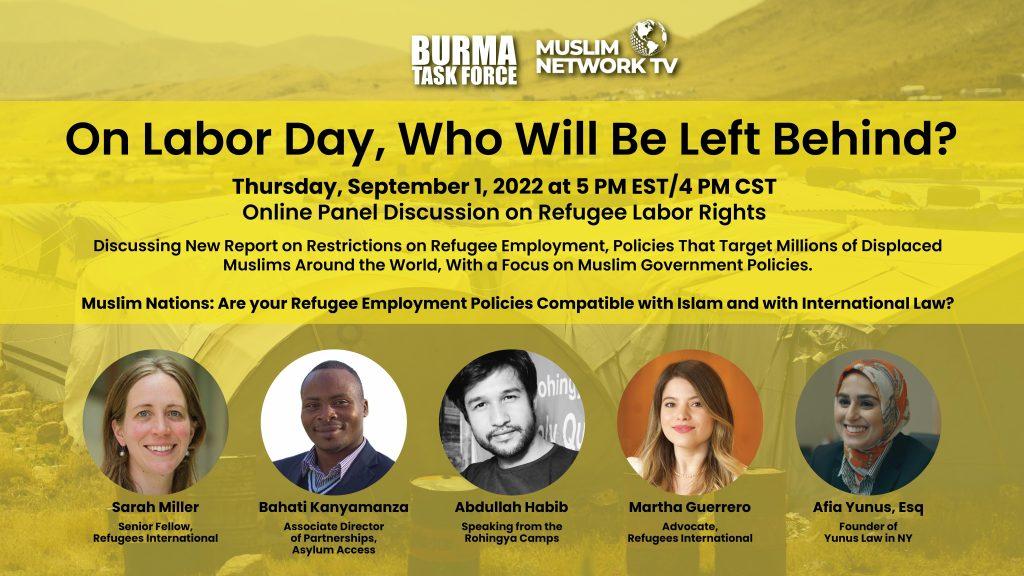
Anniversary Brings Welcome Attention to Rohingya, But Some Allies Are Targeted
Last week's fifth anniversary of the genocidal mass displacement of Burma's Rohingya Muslim minority included a number of events, such as our August 23 panel on Rohingya Children's education and our August 24 collaboration with US Campaign for Burma, featuring UN Special Rapporteur to Burma Tom Andrews. We will also examine employment rights of Rohingya…
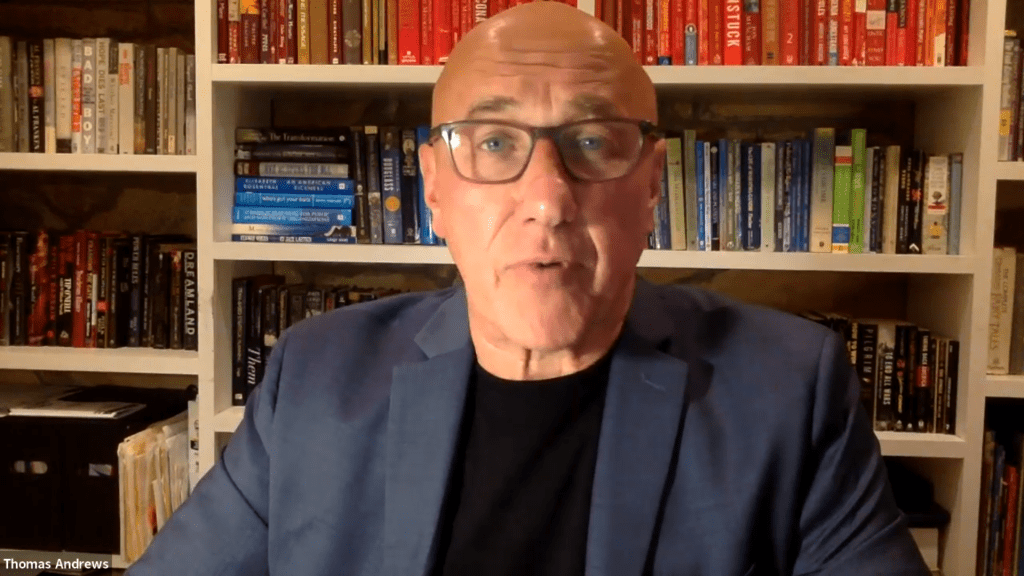

Burma Update August 22, 2022
Watch and ask questions using links below: JFA Youtube Muslim Network TV Youtube Burma Task Force Facebook: This Week: Marks 5th Year of Rohingya 2017 genocidal mass displacement OHCHR Commissioner visits Rohingya Camps, Urges Education and Better Security UN Special Envoy visits Burma, Makes Strong Statement Amid Criticism India withdraws Promises to Help Rohingya, Threatens Deportation…
Burma Update August 12, 2022
Last week, the ongoing United Nations IIMM investigation came out with a strong report that exposes the ongoing brutality of the Burmese regime, including crimes against humanity. The investigation started with a focus on mass atrocities against Rohingya but now includes the military’s ongoing attacks on anyone that resists its control. It remains crucial to…
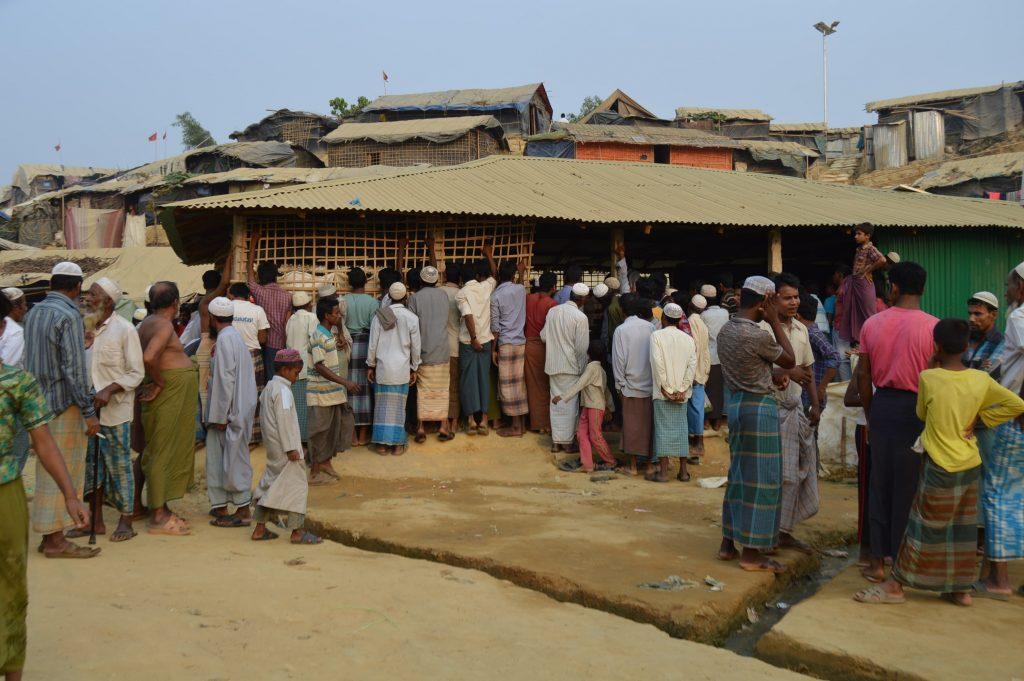
Rohingya youth asks Prime Minister of Bangladesh and the United Nations to stop dishonest and inhuman acts of APBN police
August 3, 2022 Instead of keeping Rohingya safe, the APBN has created a new strategy of falsely accusing Rohingya, imprisoning them and extorting money. A police force fully responsible for all aspects of security in the Rohingya refugee camps in Bangladesh, the APBNs have systematically used harsh and sometimes unfair tactics against the Rohingya since…
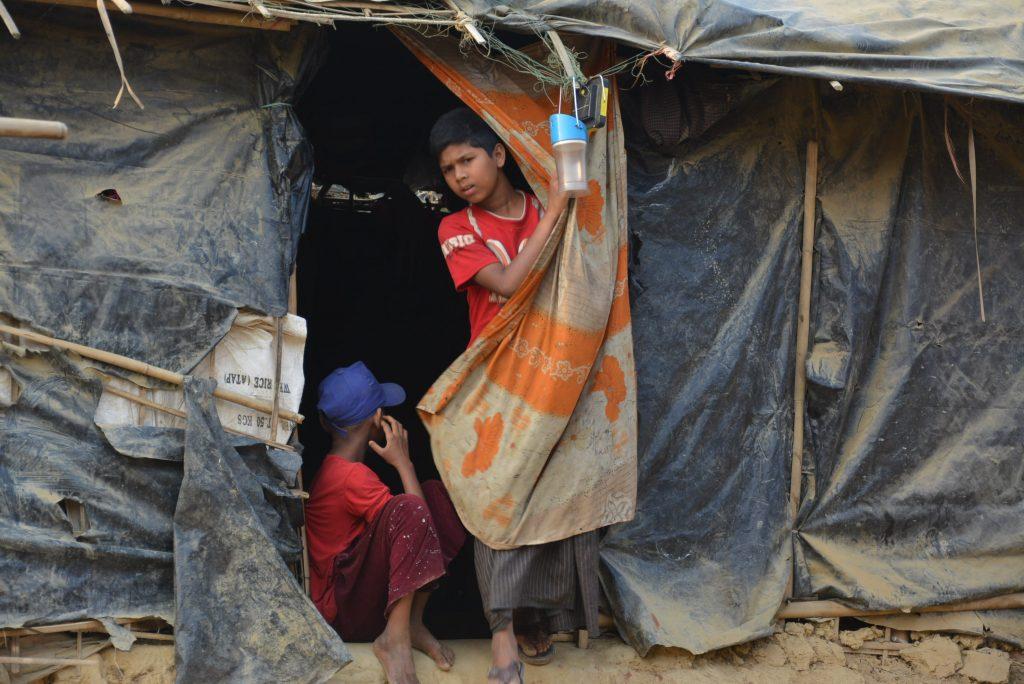
Rohingya are putting their lives at risk in search of a better life
Rohingya are putting their lives at risk in search of a better life by Rohingya Abdullah Habib To escape the genocide committed by the Myanmar military, nearly one million Rohingya have been taking shelter in the Bangladesh refugee camps since 2017. Now they are again fleeing, from these same camps to Malaysia in search of…

Burma News Update July 15, 2022
Burma Task Force has been participating in numerous meetings with Congressional representatives of both political parties to promote the Burma Act that is stalled in the Senate. Congressman Meeks has placed Burma legislation language in the NDAA military appropriations Bill, and last week this passed in committee, an important step. The Burmese military continues to…
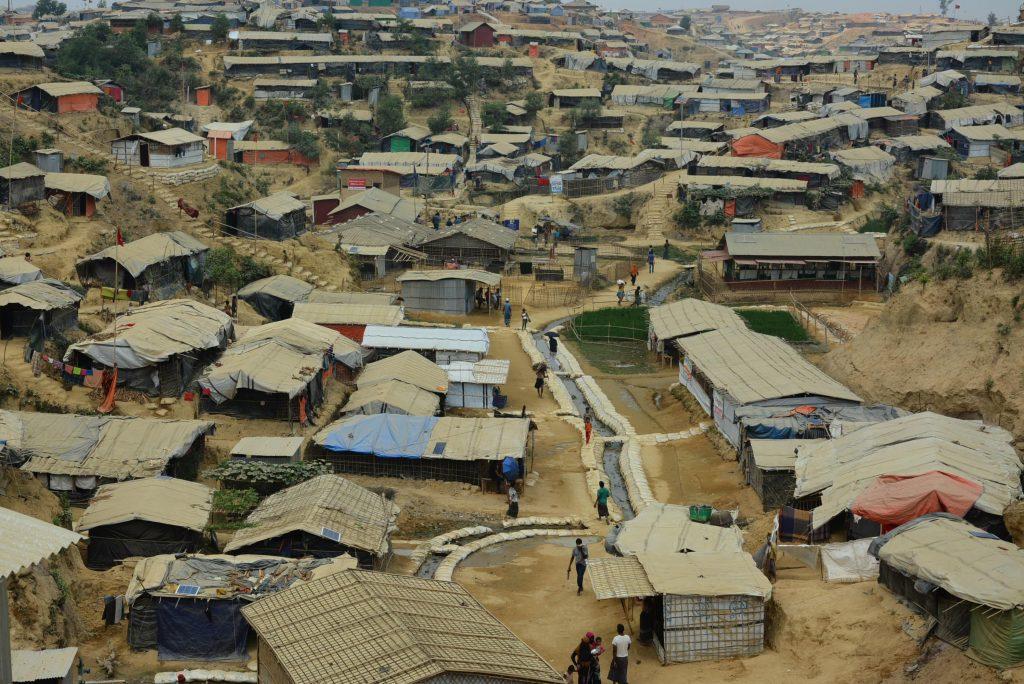
Press Statement on ICJ Ruling July 22, 2022
Burma Task Force commends today's decision of the international Court of Justice to dismiss objections by the military junta of Myanmar (Burma) to the ongoing Rohingya Genocide case. The case was brought by Gambia and is supported by Canada and The Netherlands. This decision allows the case to move forward. Lawyers representing the Burmese junta…
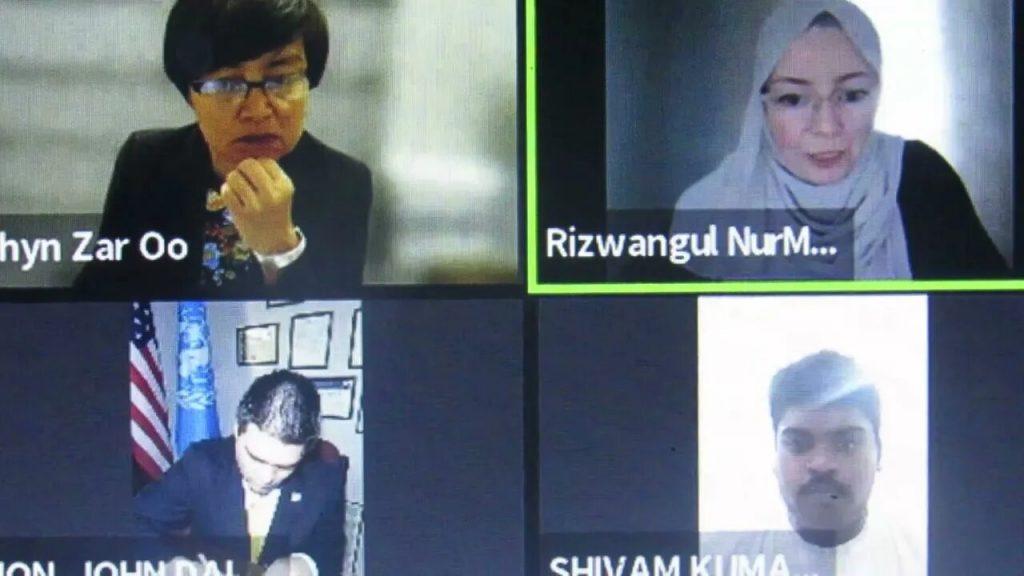
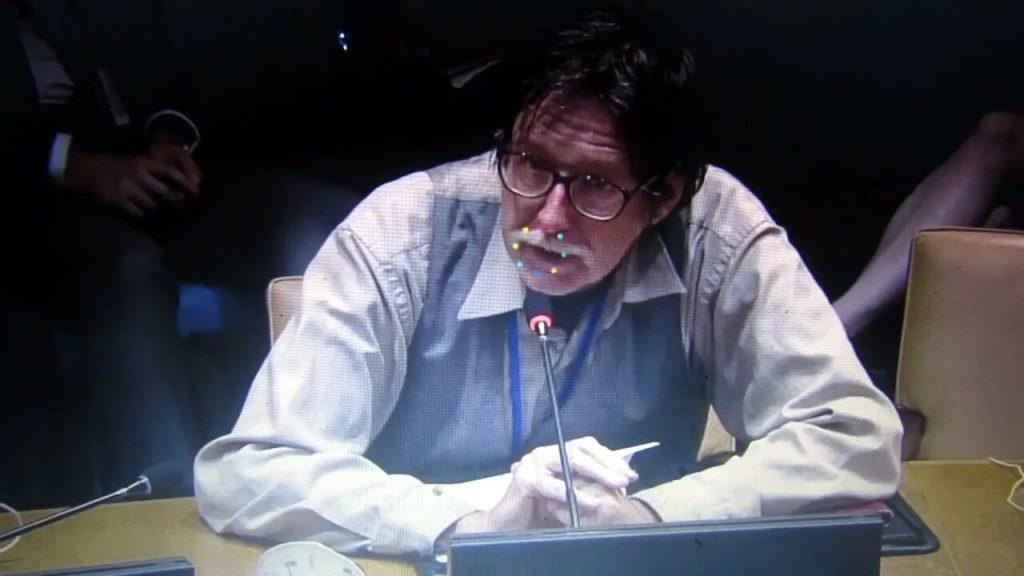
Letter to Defense Secretary Austin
July 6, 2022 For Further Information Contact: James Shwe, jshwe@marokoshwe.com The Honorable Lloyd J. Austin III Secretary of Defense 1000 Defense Pentagon Washington, D.C. 20301 RE: Statement on barring Myanmar military members attending Japan’s National Defense Academy from visiting U.S. facilities and interacting with U.S. military personnel Dear Secretary Austin, In May, President Biden concluded…

Genocide Experts Panel: How Can We Stop Genocide?
Please Click Here to Register Karen Smith: Former Special Advisor to the UN Secretary General on the Responsibility to Protect, Leiden University Lecturer in International Relations. More... Max Pensky: Binghamton University Institute of Genocide and Mass Atrocity Prevention Professor of Philosophy. More... Eve Zucker: Yale University Lecturer in Anthropology, Columbia University Adjunct Associate Professor, President…
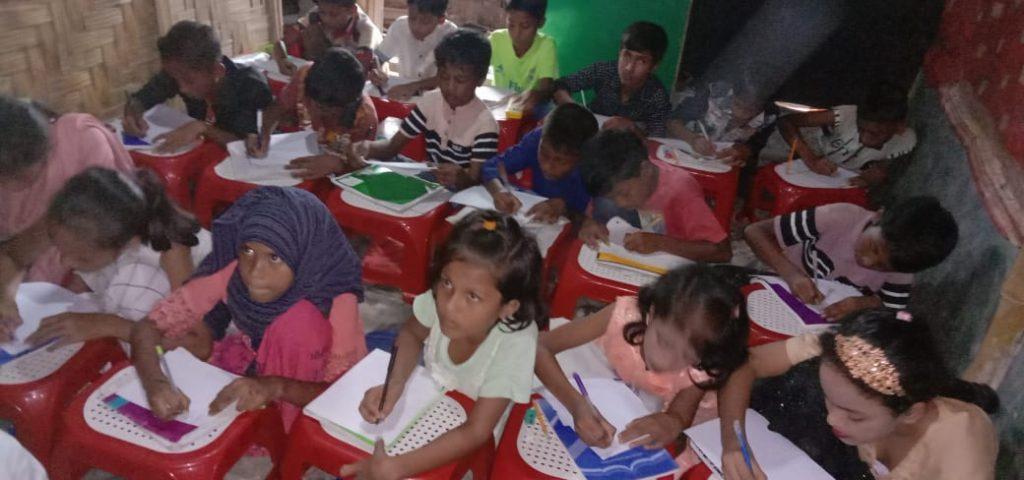
BURMA UPDATE JUNE 29, 2022:
Education: Clearly world leaders don't really care about children or the future. Over 200 million children have had their education interrupted by conflict and mass displacement, with 78.2 million dropping out of school entirely. In Burma this disruption has long affected the Rohingya, and currently impacts their children as refugees in Bangladesh, but more and…
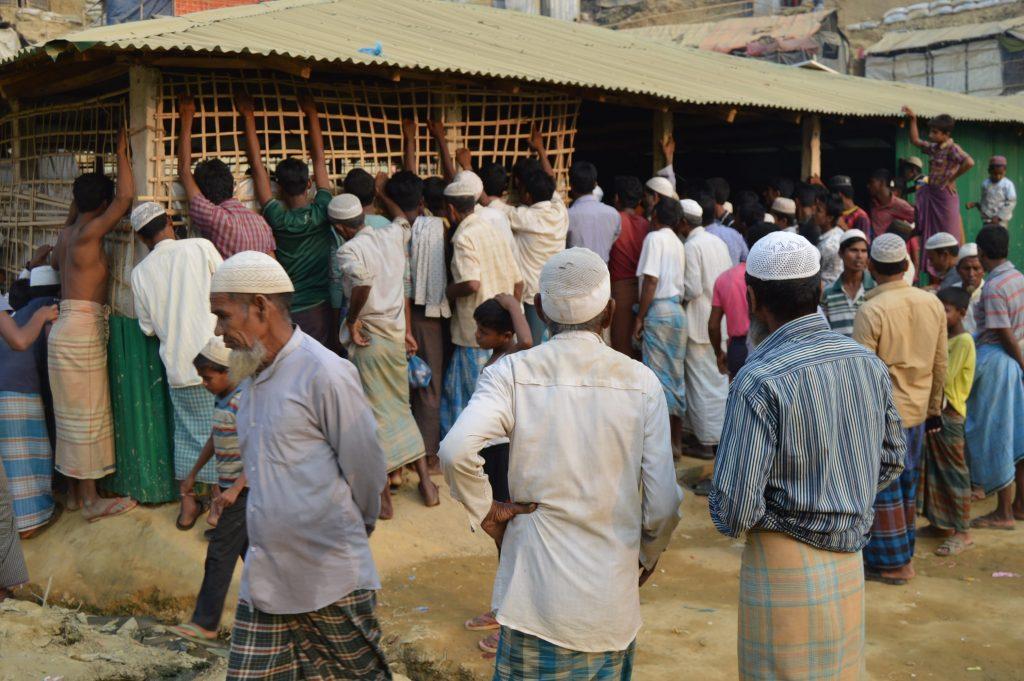
World Refugee Day: A Mirror of Human Failure
Burma Task Force Notes Host Countries Ignoring Responsibilities. One hundred million is an unimaginable number for most of us. Today, World Refugee Day, provides an opportunity to reflect on the international community’s many failures that have resulted in an unprecedented 100 million displaced people. The causes of displacement include war, such as Russia’s invasion of…
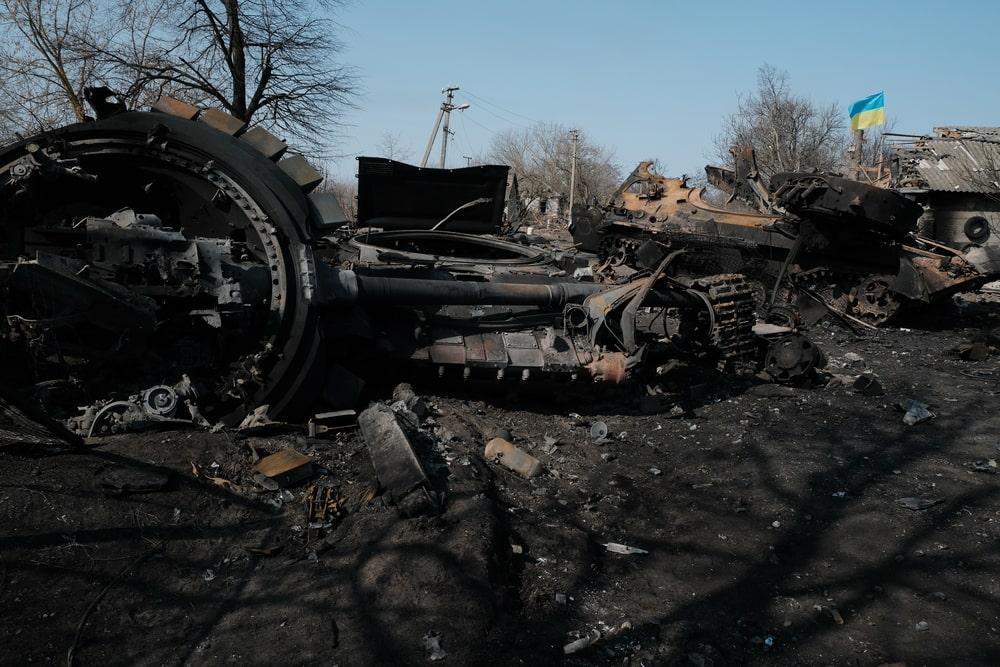
Burma, Ukraine, and the Risk of Short-Sightedness
Op-Ed June 1, 2022 By Zoe Lee Bio: Ms. Lee is a Program Associate at Burma Task Force and a fellow of the NYU Gallatin Global Fellowship in Human Rights The invasion of Ukraine is a tragedy, there is no question on that front. What the Ukrainians have been subject to is abhorrent; the world…
China and Russia once again block a press statement on Burma (Myanmar)
Late last week the ASEAN envoy to Burma made a presentation to the Security Council behind closed doors. However, China and Russia once again blocked even a press statement on Burma, that would have included mention of the Rohingya as well as do-nothing ASEAN efforts. Over 100 Rohingya refugees were arrested in Bangladesh, one of…
Burma Task Force continues to advocate for Rohingya education
At last week's Migration Forum at the UN, Burma Task Force continued to bring up the lack of educational access and other basic rights. Despite the recent visit of Flippo Grandi, the UN High Commissioner for Refugees, also taking place last week, it is unclear if Bangladesh government policies will improve. We are asking Congress…
ASEAN: Where Will the Humanitarian Millions Really Go?
BURMA In Bangladesh, the authorities continue to restrict basic Rohingya rights in the camps, with hundreds of youth arrested during Eid. The ABPN police force have even been beating Rohingya women. This is not the first time that major problems have occurred with the local police, and yet the pattern continues. In Washington DC, the…

Supporting Genocide Survivor Solidarity
During Ramadan we continued to build solidarity among survivors of genocide. Please also view the April 22 Panel on Genocide, which Justice for All organized in partnership with the UN NGO Committee on Human Rights to mark April as Genocide Awareness Month. This emotional program features speakers from seven communities that have experienced genocide: Rohingya,…
Action Alert: United Nations, US and International Players
The Government of China has apparently fully embraced the Burmese military junta, instead of recognizing the legitimate leaders of the country as represented by the National Unity Government (NUG). Earlier in April, Burma Task Force met with NUG’s Minister of Human Rights Aung Myo Min and Deputy Foreign Minister U Mow Zaw Oo and were…
Burma Task Force Welcomes Passage of BURMA ACT
In solidarity with Burmese diaspora groups, Burma Task Force warmly welcomes the bipartisan decision to pass the Burma Act in the House of Representatives. This vote comes only a few weeks after the US Government formally recognized the Rohingya Genocide, after several years of delay. Since the same Burmese military that perpetrated the genocide also…
Rohingya Genocide Officially Recognized
PRESS ADVISORY For Immediate Release Contact: Adem Carroll adem@justiceforall.org 202-922-JUST Rohingya Genocide Officially Recognized: Burma Task Force Commends Secretary of State for His Action. [Chicago, March 21, 2022) Today, after years of delay during two presidential administrations, the US Government formally recognized the Rohingya genocide that has caused so much disruption and suffering. Burma Task Force…
Situation Report of the Camp
Since one million Rohingya have taken shelter in the Bangladesh refugee camps, it's not been as easy to survive as they had thought it would be. The camps are very crowded and the shelters densely built. As the shelters are narrow and small, even sleeping areas are limited. The first years of refugee life were…
2022: Where is Hope for the Future? Update on Conditions
Persecuted and displaced, Rohingya genocide survivors have been scattered in numerous countries, with the largest population now in the camps of Cox's Bazar, Bangladesh. Rohingya lack legal rights in their refugee host nations, and have no clear prospect of return to their homeland. In this long period of uncertainty, what future can the Rohingya people…
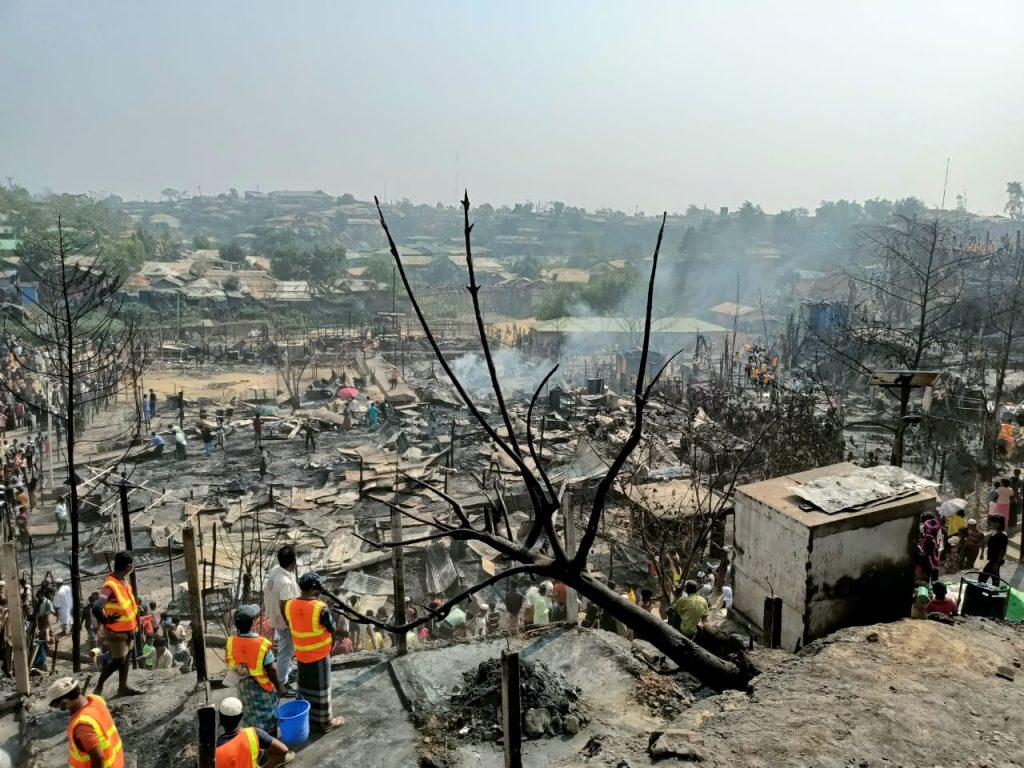
Burmese Generals Support Russian Invasion
The attack on Ukraine has understandably resulted in widespread sanctions against Russia. If the world had instituted the same level of sanctions on Burma after the Rohingya genocide, would the military coup have happened? And yet in both cases, China is unwilling to prioritize human rights protections, a very bad influence on other nations. The…
Violence And Complicity
Last week, hearings in the International Court of Justice considered the Burmese military's responsible for war crimes and genocide against the Rohingya. The Burmese military junta tried to get the case thrown out. Meanwhile, following increased consultation with the Russian military, the Burmese military has stepped up its deadly bombing campaigns. Unlike much of the…
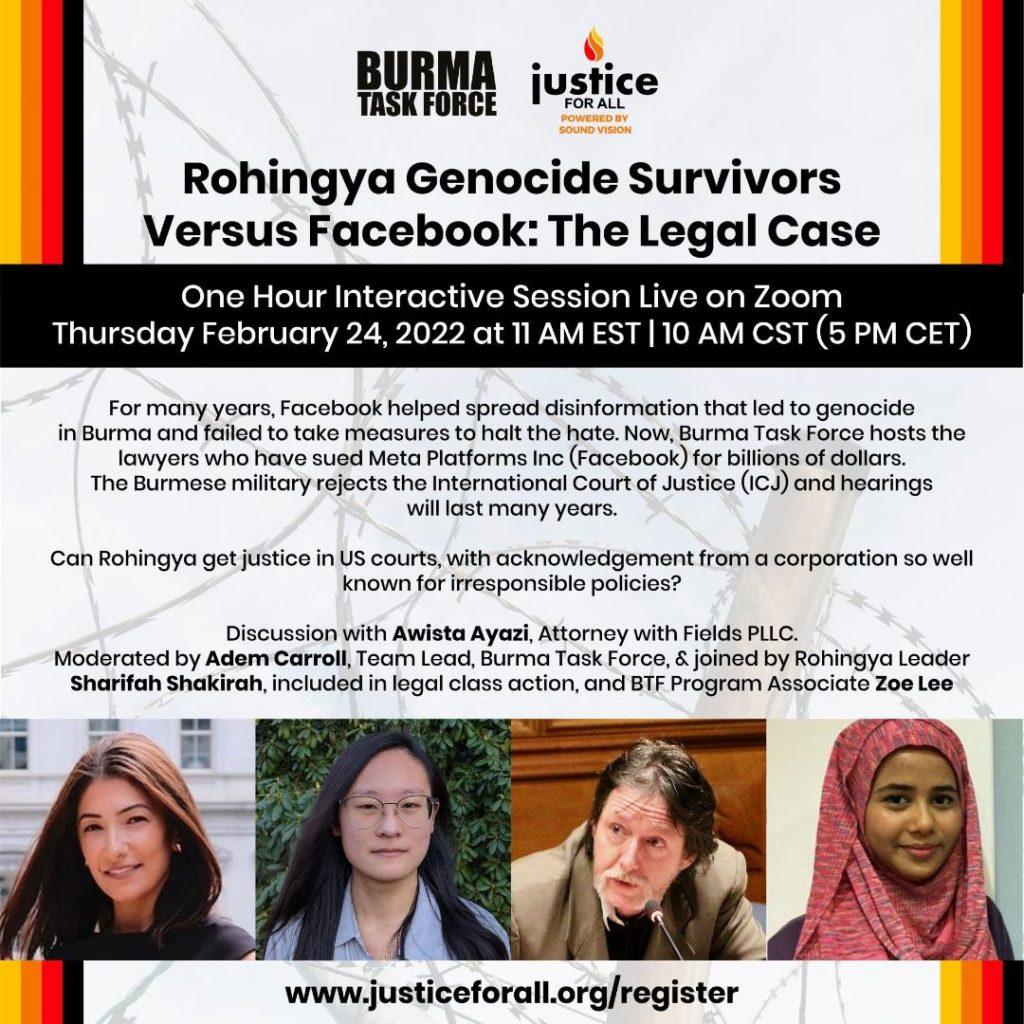
Rohingya Genocide Survivors Versus Facebook: The Legal Case
Rohingya Genocide Survivors Versus Facebook: The Legal CaseOne Hour Interactive Session Thursday February 24, 2022; 11 AM ET/10 AM CST (5 PM CET) For many years, Facebook helped spread disinformation that led to genocide in Burma and failed to take measures to halt the hate. Burma Task Force hosts the lawyers who have sued Meta…

Genocidal Burmese Military Junta is Illegitimate
For Immediate Release Contact: Adem Carroll adem@justiceforall.org 202-922-JUST February 21, 2022 PRESS ADVISORY “Genocidal Burmese Military Junta is Illegitimate” International Court of Justice Choice of Junta Representatives Does Not Indicate Recognition Burma Task Force commends the ongoing work of the International Court of Justice, beginning today and extending until next Monday. However, we regret the choice…
Burma and ICJ Reporting 2020
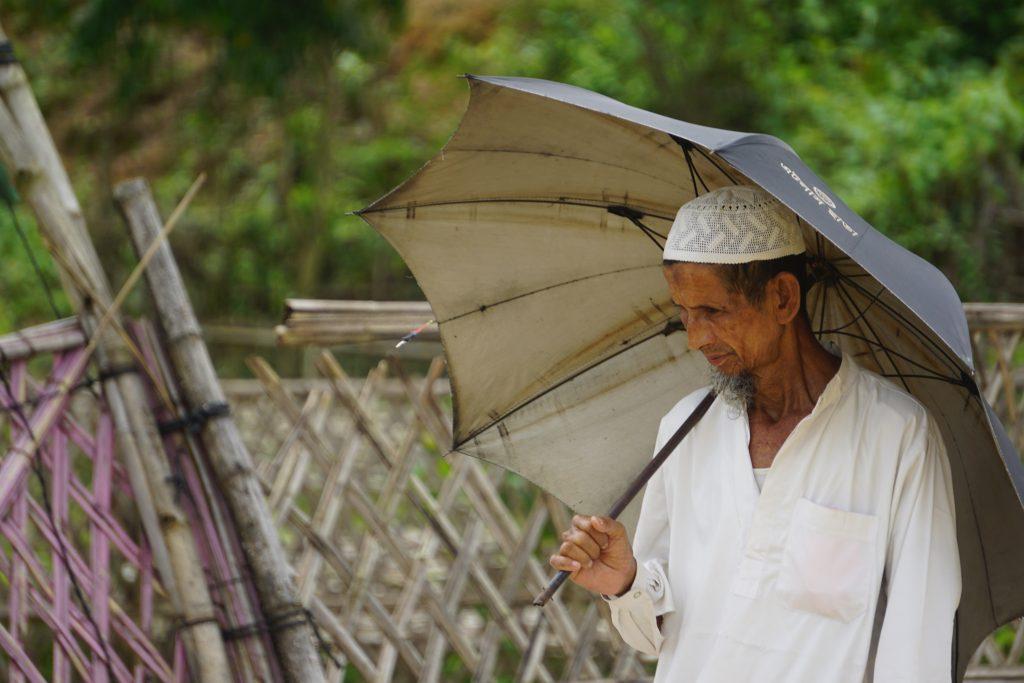
The International Court of Justice had several recommendations for Myanmar to follow. Burma Task Force tracked these for months on if Myanmar is working on its obligations as required by the international community. The reports are: Burma And ICJ Compliance – June 2020 Report Download Report as PDF Burma And ICJ Compliance – May 2020…
Sharifah Shakirah – A Rohingya Journey In Search of Justice
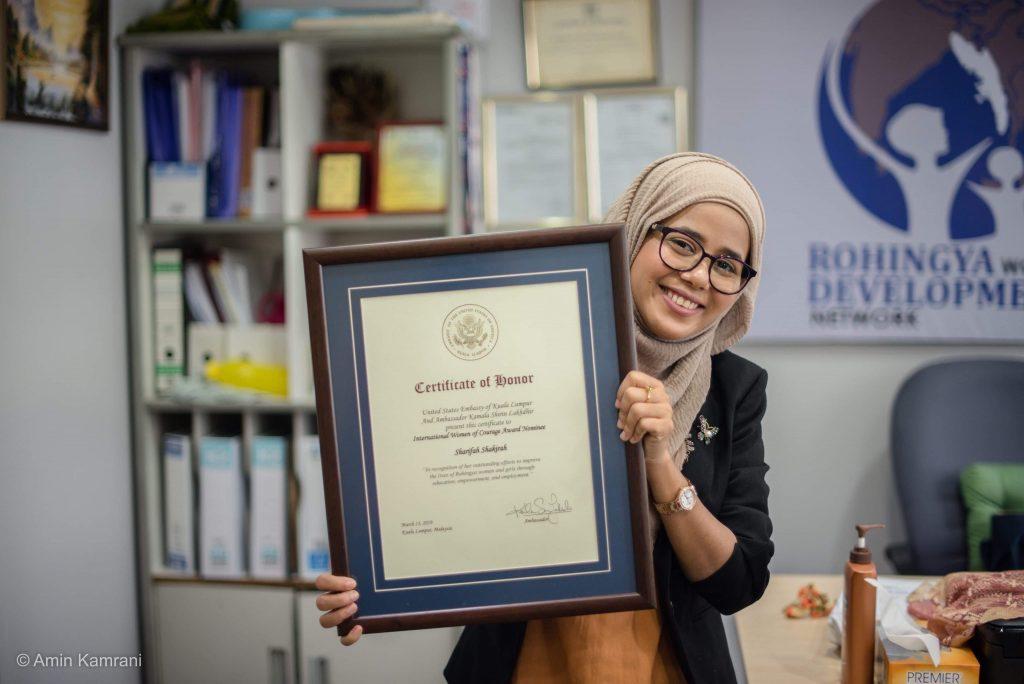
My name is Sharifah Shakirah, I was born in Buthidaung Township, Rakhine State of Burma/Myanmar. I was persecuted in my own homeland for my religion and ethnicity, I was not only made stateless but my Rohingya name and identity were taken away from me. For generations my people have been persecuted, raped, murdered, imprisoned, burned…
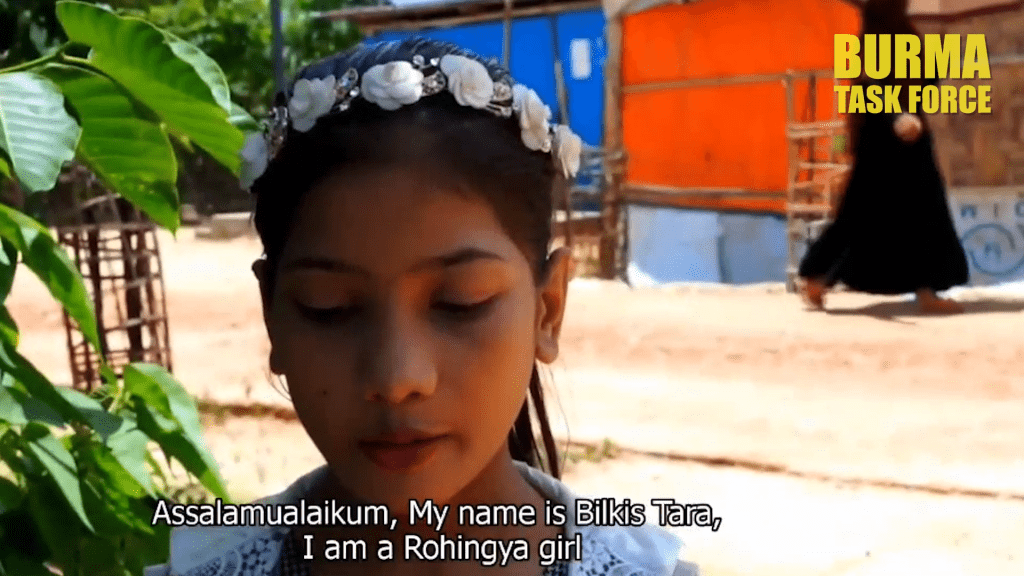
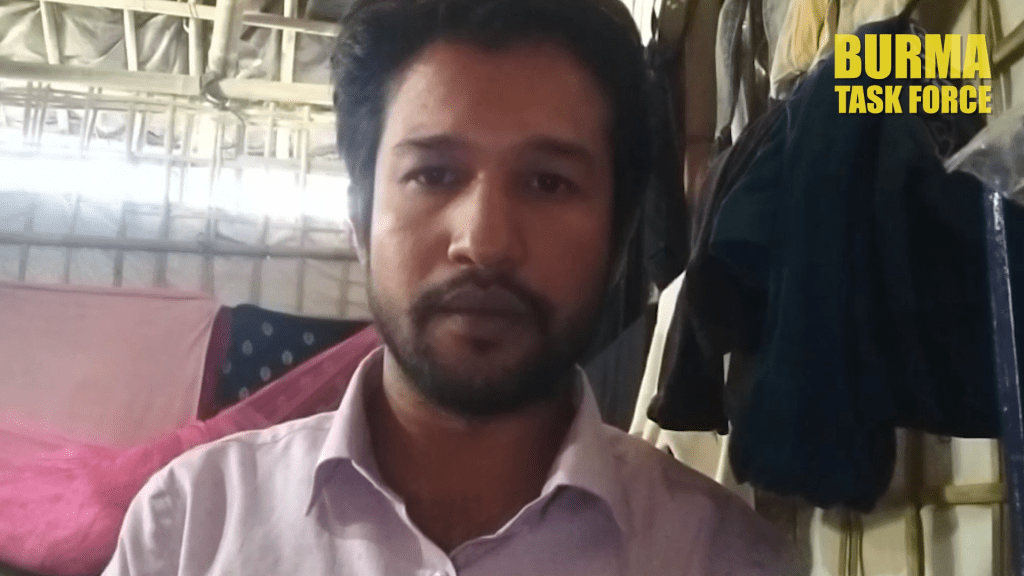
Rohingya youth leader Abdullah Habib describes widespread suffering because of restrictions on education and employment in the camps, December 2021
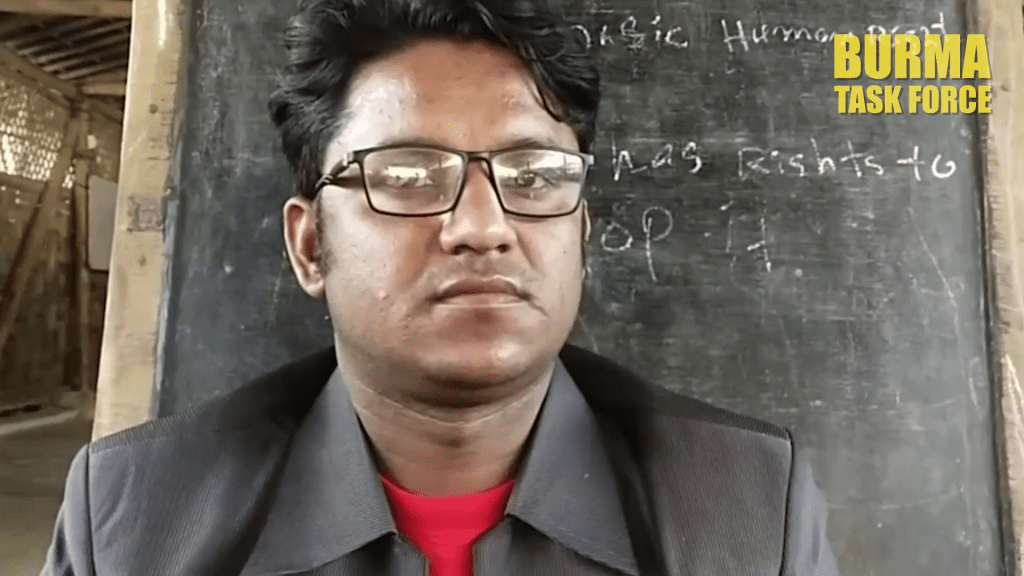
Rohingya school educator and administrator asks Bangladeshi authorities to allow education in the camps, not close schools, December 2021
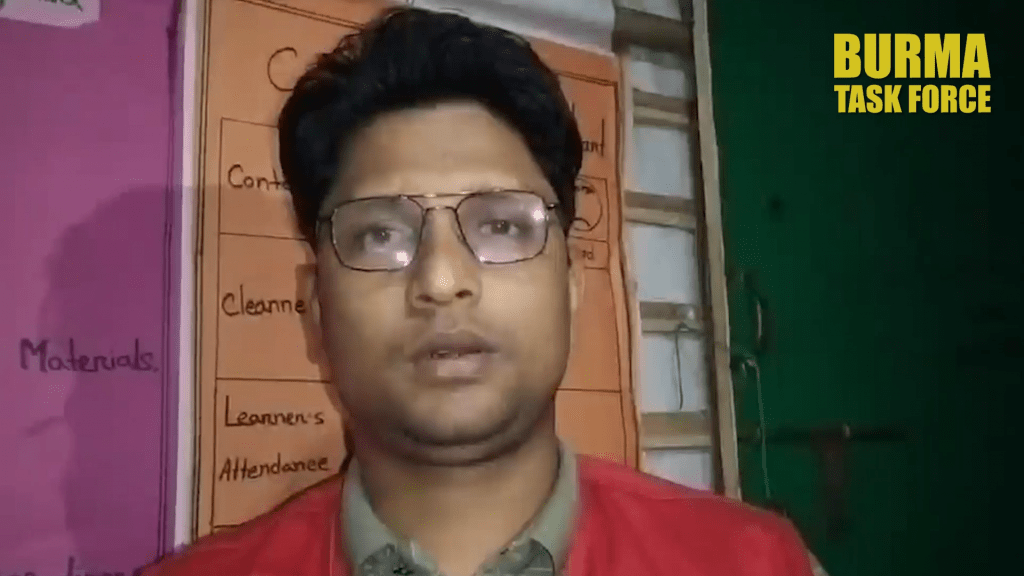
Social Service Provider Speaks about his Steady Work to help his Fellow Rohingya in the Camps
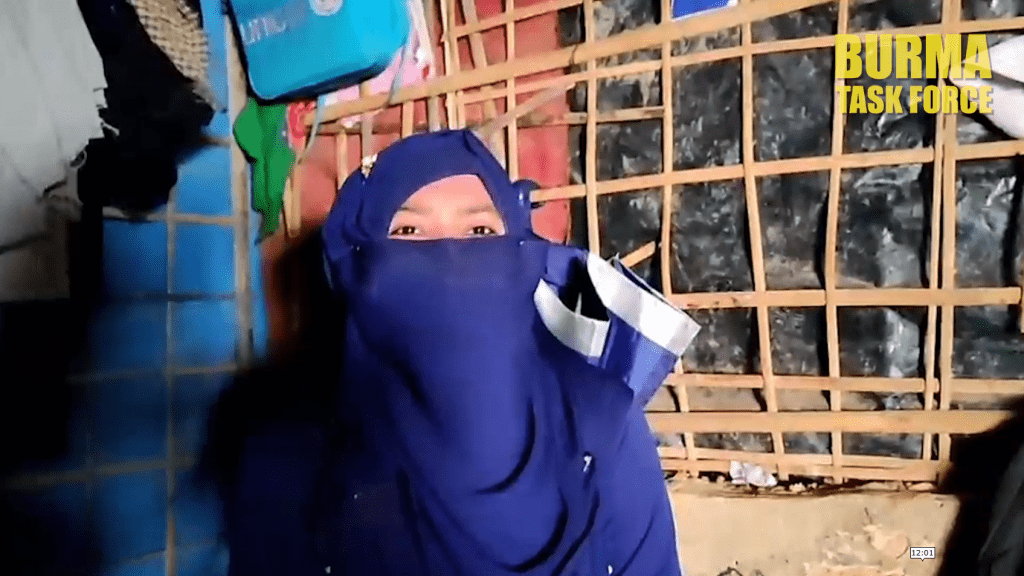
Rohingya woman mental health provider describes the challenges of providing services to genocide survivors, Jan 2022
Burma Task Force Deplores Arms Sales to Brutal Burmese Forces
WATCH EVENT VIDEO February 1, 2022 PRESS ADVISORY “Burmese Military Junta is Illegitimate” Burma Task Force Deplores Arms Sales to Brutal Burmese Forces. Today, on the anniversary of the Burmese military coup, Burma Task Force condemns the junta’s ongoing violence and corruption, and deeply deplores the destructive impact on Burma/Myanmar and the destabilizing effect on…

Burmese Military Prepares to Fight International Courts, Ignore Legal Summons
With hearings on the Rohingya genocide set to start February 21, the Burmese military has instructed all military personnel not to answer letters related to arrest warrants or summons from the International Criminal Court (ICC) or the Argentinian judiciary. Statistics: The Burmese military continues to escalate its bombing and killing campaigns in Burma’s southwest, with…

Bangladesh Authorities Closing Rohingya Schools, Depriving Children
After closing over 1,000 small businesses in the camps of Coxs Bazar, Bangladesh authorities are now closing Rohingya schools, further traumatizing genocide survivors and depriving tens of thousands of Rohingya children of a future. Burma Task Force has organized a group letter signed by leading Rohingya and Human Rights groups and will be delivering it…
Tens of Thousands of Students Will Lose Access to Education – New Policies Are Cruel and a Terrible Mistake
Her Excellency Shaykh Hasina Wajid Prime Minister’s Office CC H. E. Foreign Minister Md. Shahriar Alam We the undersigned organizations and community leaders have learned that the Bangladesh Government has decided to close thousands of schools for Rohingya refugee students, affecting tens of thousands of Rohingya children. This cruel and unnecessary action is a terrible mistake,…

Statement on Argentina’s decision to investigate Myanmar war crimes
Argentina court to investigate Myanmar war crimes against Rohingya Muslims As we approach International Genocide Prevention Day (December 9) this latest court ruling offers the suffering Rohingya people of Burma new hope for justice. Having suffered from severe human rights abuses in past generations, Argentina has embraced the principle of universal jurisdiction to hold war…
A Week of Pain and Sadness, and Many Unanswered Questions: Responsibility for Mohibullah’s Murder Must Not Be Swept Under the Rug
Today, over a week after the murder of the Rohingya leader Mohibullah, a diverse group of US and international civil society organizations have signed on to a statement linked here demanding a credible and complete investigation by the Bangladesh Government, along with honest monitoring of the investigation by the international community..
For Immediate Release: Burmese diaspora, local CSOs inside Burma, community-based organizations, and civil society organizations sent a letter to the U.S. Congress to urgently support and pass the BURMA Act
Today, 242 Burmese diaspora groups, local CSOs in Burma, community-based organizations, and civil society organizations in the U.S..

Mohibullah: Burma Task Force deplores murder of prominent leader.
Burma Task Force deplores today’s murder of Rohingya leader Mohibullah and urges the Bangladeshi authorities to conduct a credible investigation into these tragic events. International community organizations should also work to advocate for refugee camp security that protects all Rohingya from such violence..
USAID: Memo for Literacy Day 2021
A memo has been submitted by Burma Task Force to USAID asking for educational access for the Rohingya refugees. The text of the memo submitted is below: ====== September 9, 2021 Ms. Kathryn Stevens, Mission Director USAID/Bangladesh Madani Avenue Dhaka, Bangladesh CC: to Ms. Mackenzie Keller, Bangladesh Desk Officer A MEMO FOR INTERNATIONAL LITERACY DAY…
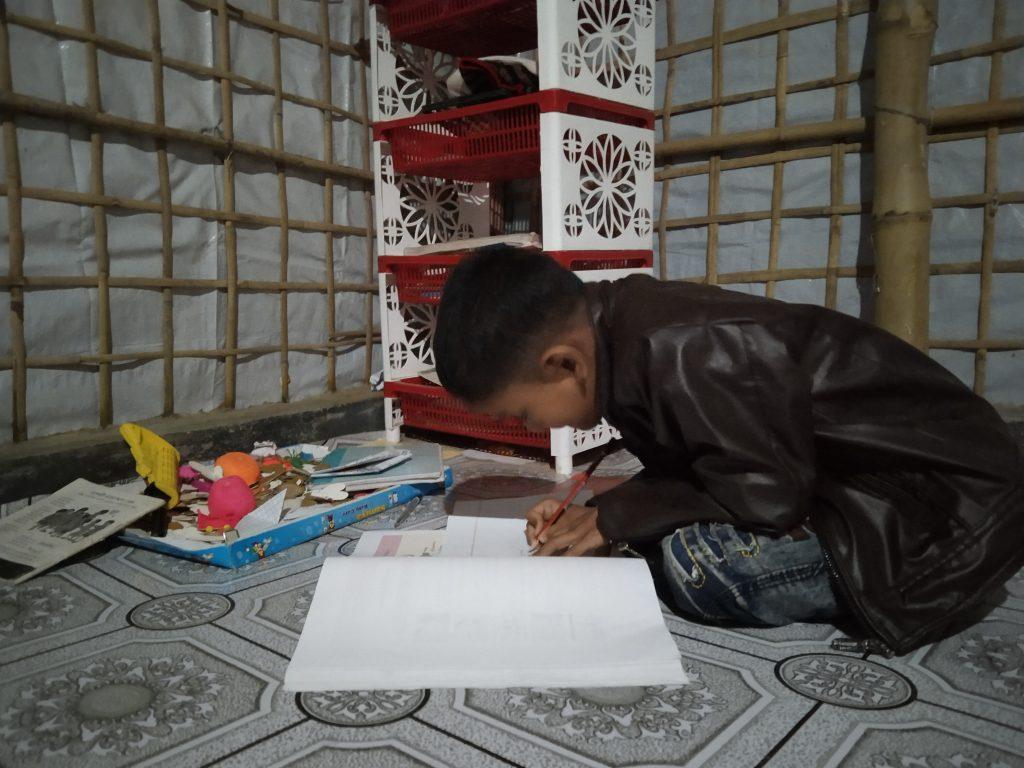
MEDIA ADVISORY: “Genocide Anniversary, & Rohingya Education”
For Immediate Release Contact: Hena Zuberi: hena@justiceforall.org 202-922-JUST August 25, 2021, MEDIA ADVISORY: “LET THEM LEARN” In Commemoration of Genocide Anniversary, Burma Task Force Calls for Rohingya Refugee Education Today, on the occasion of the 4th anniversary of Burma’s genocidal mass expulsion of the Rohingya, Burma Task Force (BTF), a program of the Human Rights…
ACT NOW: Ask Pres. Biden to act for sanctions on oil & gas now
The Tokyo Olympic Games currently underway remind us of the potential for friendly competition on a global scale. However multilateralism is slowing down the US government from taking some actions like the MOGE sanctions. France and others are making it difficult. Please ask President Biden to simply pick up the phone and call President Macron,…

Burma Task Force convenes meeting with UN Envoy Christine Schraner Burgener
On August 13, 2021, Burma Task Force convened a zoom meeting with UN Special Envoy Christine Schraner Burgener, bringing Rohingya leaders, ethnic communities and democracy activists together. Participants engaged in a rich discussion of the many challenges faced by the diverse people of Burma/Myanmar. The Special Envoy was appointed by the UN Secretary General in…

WATCH: Stand with Rohingya
Watch here: JOIN US: Let us together make a difference for the Rohingya. We need to get them access to education, and have the United States declare it a genocide. Aug. 28 event for Rohingya, Watch recording above Call your lawmakers and ask to meet with them or their staff. We will provide all support.…
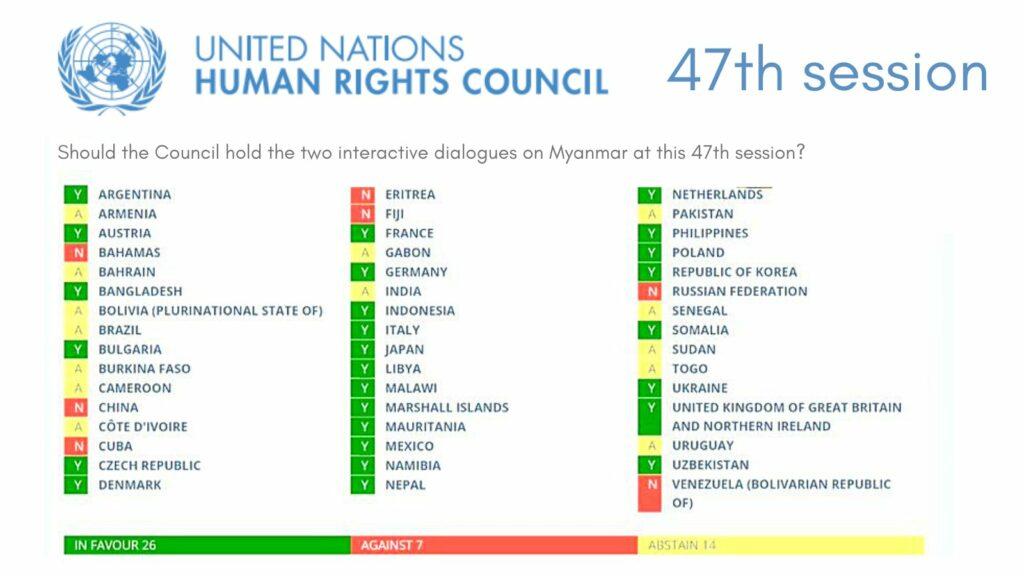
Burma Task Force commends Human Rights Council
Burma Task Force commends Human Rights Council for deciding not to delay hearings on Burma, despite efforts of China, Russia and some other nations.

Action Alert: No More Delay on Burma Bill
The Burma Bill is much anticipated but much delayed. Please contact the House Foreign Affairs Committee. Ask: 1) Recognize the National Unity Government, 2) recognize the Rohingya Genocide, and 3) respond to the crisis in Burma with sanctions on the military-dominated MOGE oil and gas sector! On Twitter: Tweet At Rep Meeks and House Foreign…
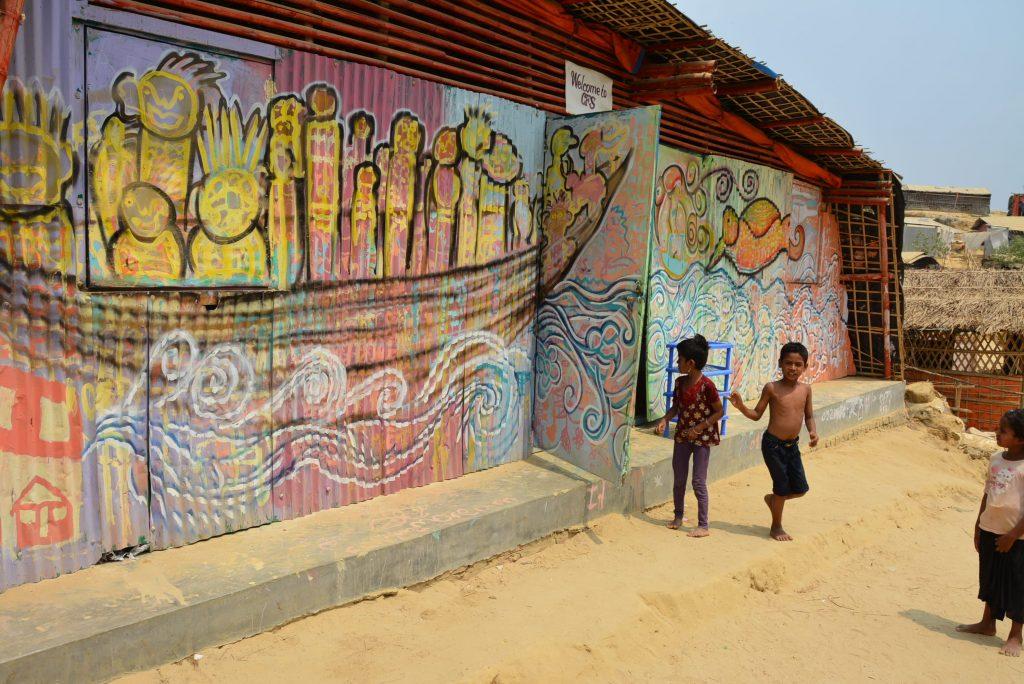
For Rohingya Survivors, Art Bears Witness
Source: https://www.nytimes.com/2021/03/19/arts/design/rohingya-survivors-art-bangladesh.html?smid=em-share
Genocide Designation for Myanmar Tests Biden’s Human Rights Policy
Source: https://www.nytimes.com/2021/06/30/us/politics/biden-genocide-rohingya-myanmar.html#click=https://t.co/crOff99dtY

Volunteer For Let Rohingya Learn
Thank you for willing to volunteer for the Let Rohingya Learn campaign. You must be as outraged as we are that Rohingyas are not allowed to study beyond 3rd grade. Thanks to volunteers like you, the Burma Task Force was able to get the US government to donate 1.3 billion dollars of our tax money…
ACT NOW: No More Delay on the Burma Bill!
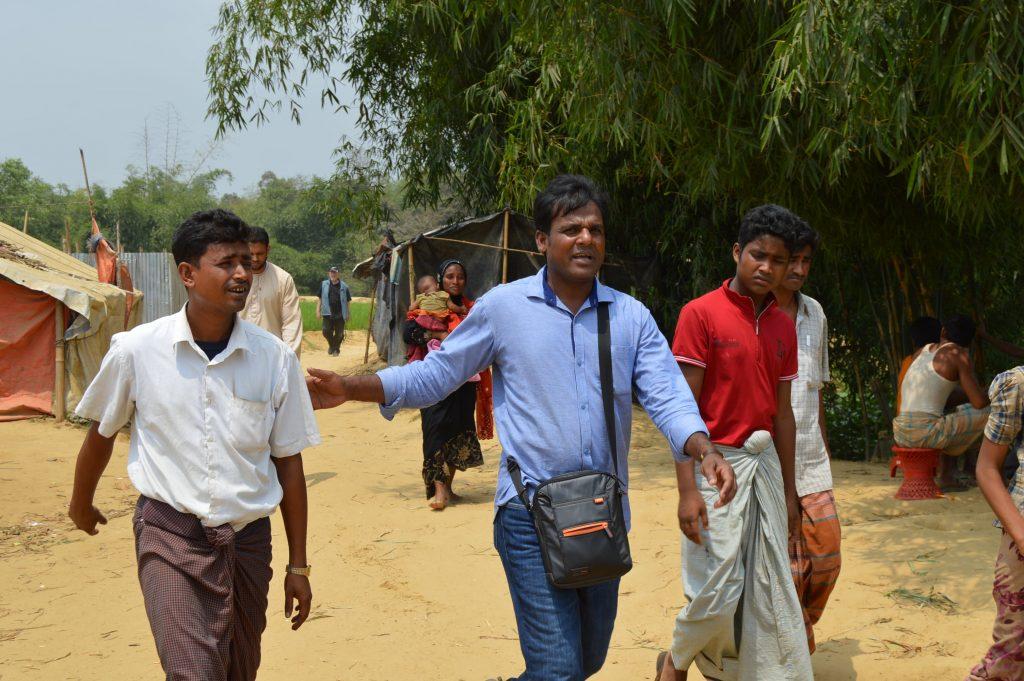
Representing Burma Task Force and other NGOs, Adem Carroll organized and introduced a vigil of constituents in front of the local office of Congressman Gregory Meeks, Chairman of the House Foreign Affairs Committee, urging him to introduce a strong Burma Bill without further delay. This action went viral in Burma, with over 228,000 views, and…
NEWS: UN General Assembly (UNGA) condemns the coup in Burma
On Friday, June 18 the UN General Assembly (UNGA) voted to condemn the coup in Burma and to support an arms embargo. Even though the vote is not fully binding, it is a significant message from the world body that we at Burma Task Force helped to push with our NGO colleagues, convening a meeting…
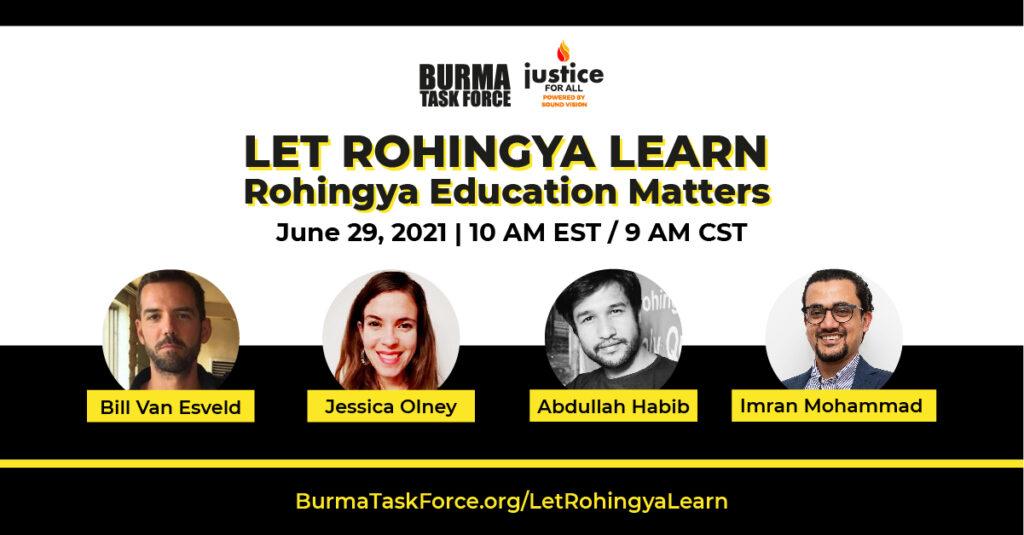
Let Rohingya Learn
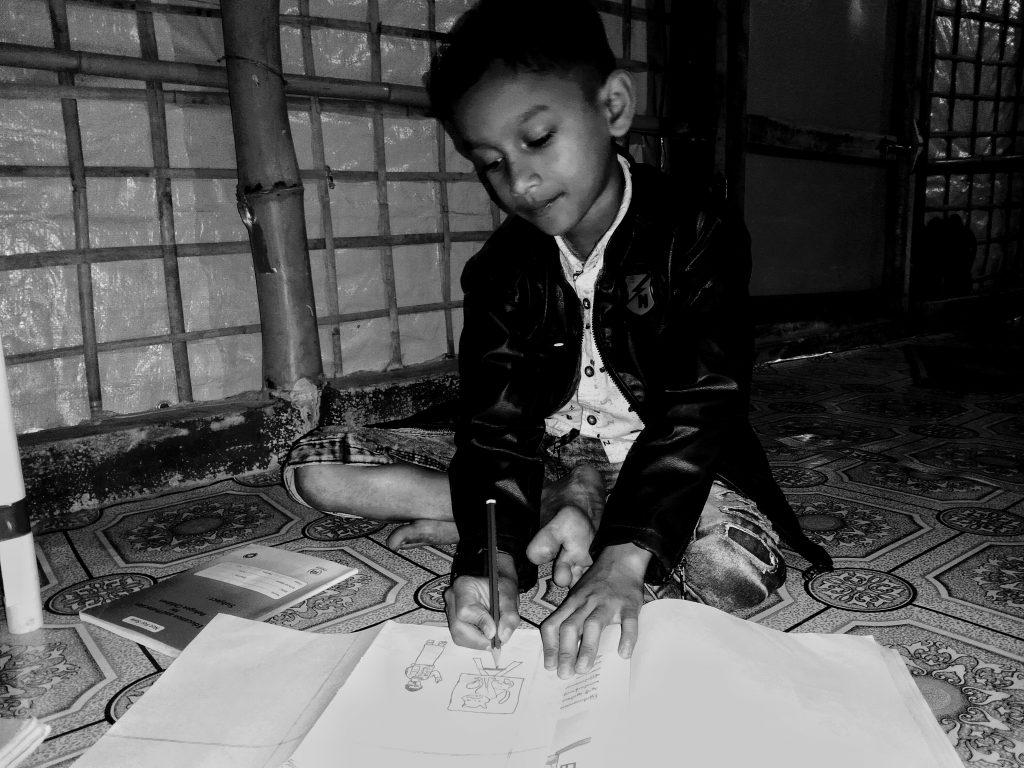
DOWNLOAD THE REPORT DOWNLOAD THE REPORT - BENGALI Burma Task Force Publishes Report on Rohingya Education Crisis On Monday June 21, 2021, Burma Task Force, a program of the Human Rights Advocacy NGO Justice for All, is launching its report “Let Them Learn: Confronting the Need for Rohingya Education.” Examining the extreme lack of educational…
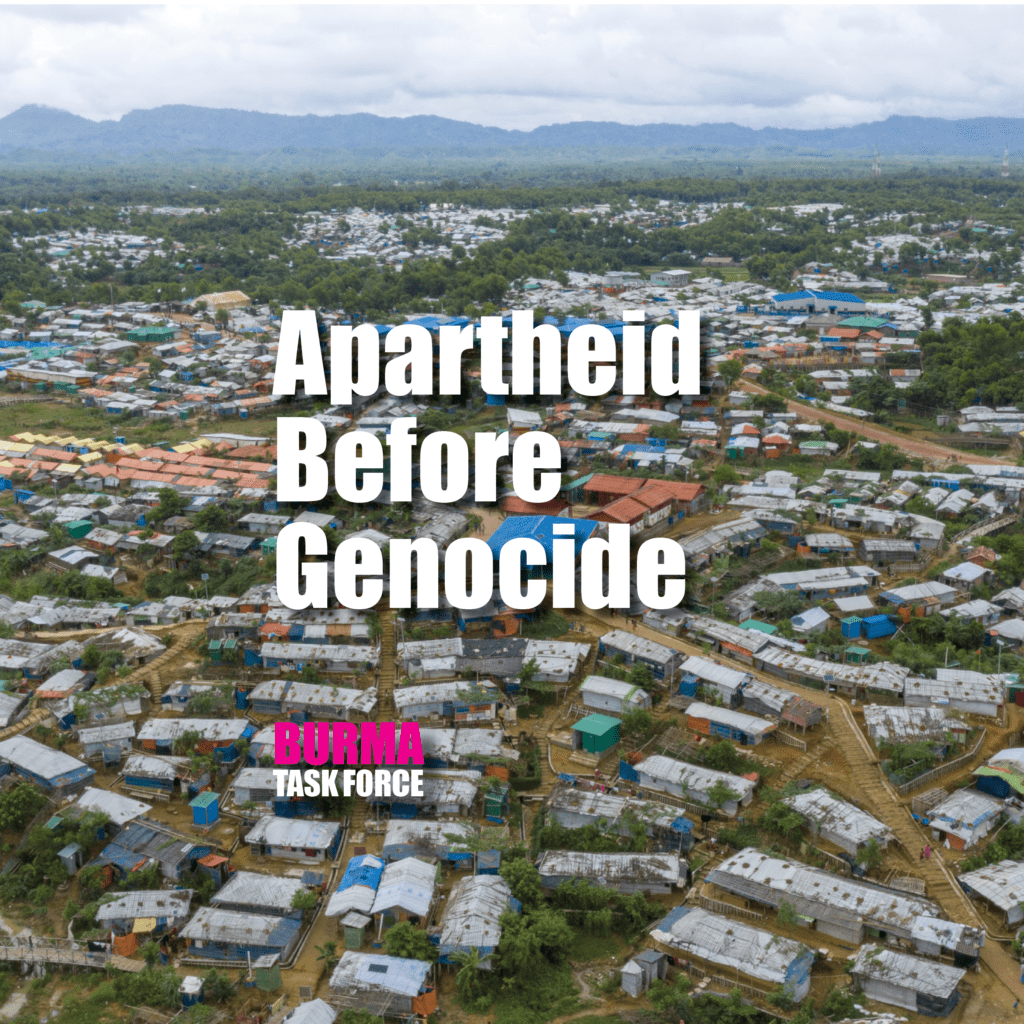
Article: Apartheid Before Genocide
DOWNLOAD THIS ARTICLE Apartheid Before Genocide By Abdul Malik Mujahid Draft 0.8 May 20, 2018 © Justice For All Amnesty International calls it apartheid. Human Rights Watch has noted a number of “crimes against humanity.” Fortify Rights speaks of the “mounting evidence of genocide.” Similarly, the United Nations human rights chief has called for a…

Act Now! Share This Emotional Video
This week, Burma Task Force hired a new part-time Program Associate, Imran Mohammad Fazak Hoque, a Rohingya refugee affiliated with the Rohingya Cultural Center of Chicago. On Wednesday, June 2, Imran spoke to the President of the United Nations Security Council about the need for education and internet access in refugee camps, as well as…
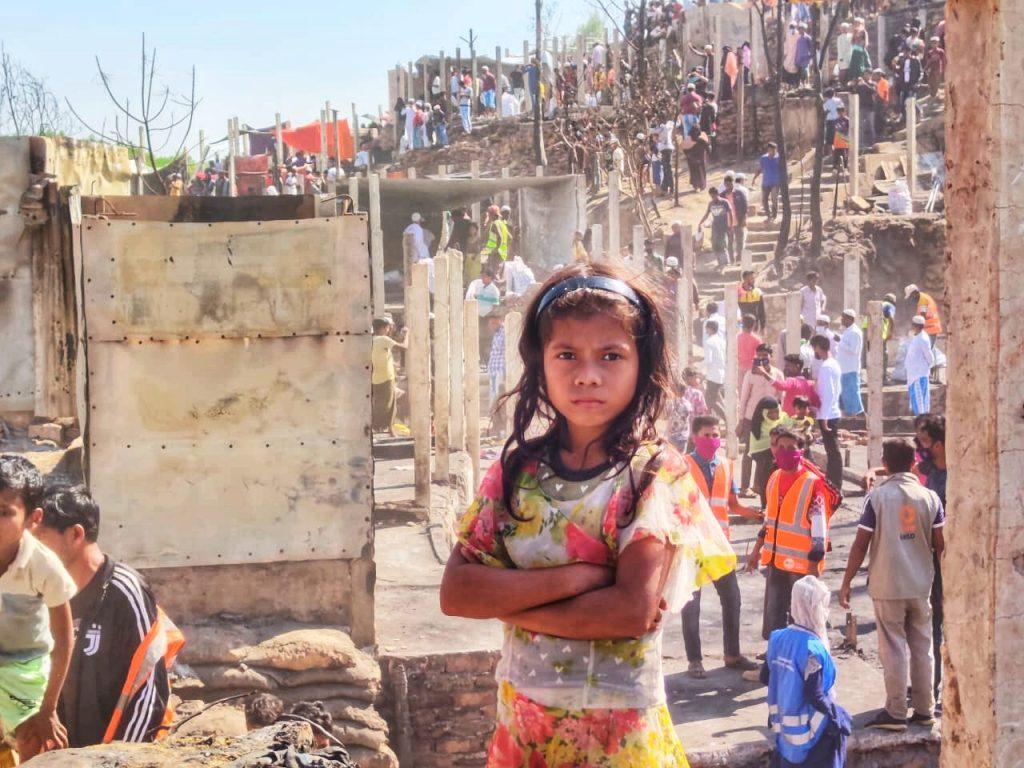
ACTION ALERT: Tweet And Write At Indonesian Government
In the United Nations, Association of Southeast Asian Nations (ASEAN) nations have worked to weaken the current resolution in the UN General Assembly calling for an arms embargo on Myanmar. In addition, ASEAN leaders have announced plans to visit Myanmar in the coming week. If this visit goes through, it is crucial that ASEAN also…
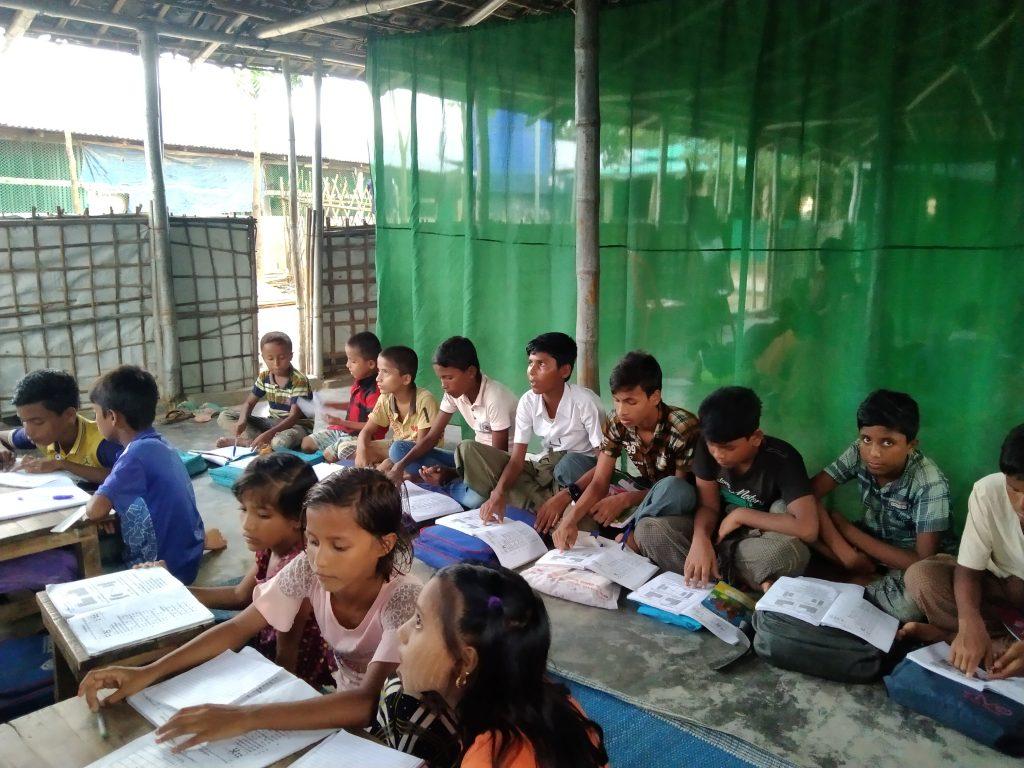
“EMP-065” Finds His Voice: The Education Of A Rohingya Writer
Living in a refugee camp is like being in limbo. In jail, at least a prisoner has a release date to look forward to. To refugees, there is no future in sight. I was detained repeatedly as I tried to save my life by seeking safety in another nation. Despite having an ancestral homeland, I…
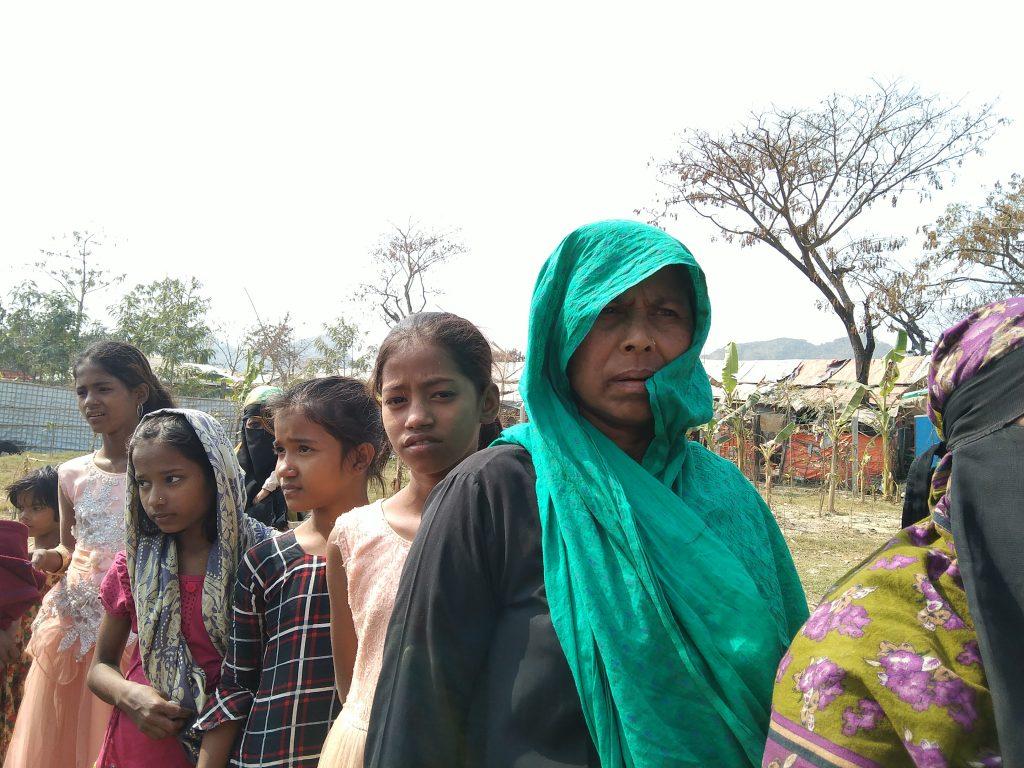
Save Burma
News: This past week, reports indicated how the Burmese military terrorizes the people of Myanmar/Burma, by torturing those arrested and often mutilating bodies. Meanwhile the military continues to assert absolute control, threatening to ban the party that won in the last elections and calling the leaders of the National Unity Government (NUG) terrorists. Of course,…
Sanction MOGE: Tweet At State Department
On April 24, the heads of ASEAN governments met to discuss the Burma crisis, inviting coup leader (and Rohingya Genocide Perpetrator) General Hlaing –but not officially inviting the opposition National Unity Government. ASEAN leaders called for de-escalation but failed to call for prisoner release. Despite Burmese promises to de-escalate, the Tatmadaw continues to murder and…
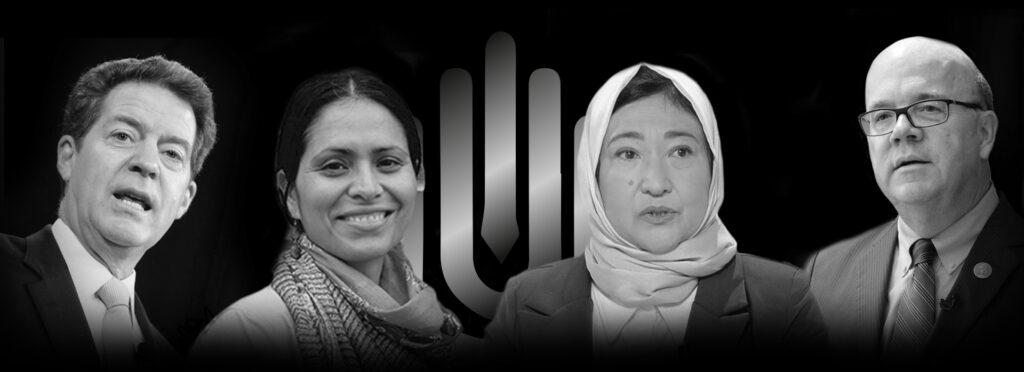
Rohingya Genocide Determination Act (S.1142).
Last week, several senators led by Senator Ed Markey, re-introduced the Rohingya Genocide Determination Act (S.1142). The bill would require the State Department to make a genocide determination in the case of the Rohingya. Now that Mitch McConnell is no longer Senate Speaker, he cannot block this bill. Please show your senator you care.
Letter to the National Unity Government:
Letter to the National Unity Government: In a letter we organized, Burmese leaders of North America show support but demand inclusion of Rohingya in the new government.

ASEAN leaders invitation to General Hlaing
ASEAN leaders invite General Hlaing to a special meeting; the National UnityGovernment demands to be invited too. Does ASEAN violate its own charter?

Chevron Oil Lobby
Chevron Oil has been lobbying to defeat activist calls to stop paying hundreds of millions of dollars into the pockets of the Burmese generals. Even Burma’s new national unity government supports these sanctions, asking for monies to be paid into escrow accounts, instead of funding the military coup.
Sign letter to Pres. Biden: Sanction Myanmar Oil and Gas Enterprise (MOGE)
Please sign this letter to President Biden and it will be sent to the White House.
Statement On the Interim National Unity Government of Burma (Myanmar)
As leaders and activists from diverse ethnic communities we affirm that we stand in solidarity with all the people of Burma at this time of existential struggle. We recognize Burma’s 2020 democratic election results, and we support the civil disobedience movement (CDM), while condemning the illegitimate military junta for its systematic violence directed towards peaceful…
Action Alert: Call Out Pakistan and Bangladesh’s attending Myanmar Celebration
Shocking news reports indicate that on March 27, both Bangladesh and Pakistan sent dignitaries to attend the Tatmadaw’s Armed Forces Day festivities, along with India and Russia, while other nations stayed away. While the Military Generals awarded each other medals at lavish parties, their soldiers killed over 100 nonviolent protesters and innocent bystanders. And the…
Action Alert
In the wake of the recent coup in Burma, the difficult and risky struggle for democracy is not simply a struggle to return Aung San Suu Kyi to power. It is a struggle against the actual perpetrator of genocide, the brutal Burmese military. In new ways we see the diverse people of Burma finally coming…
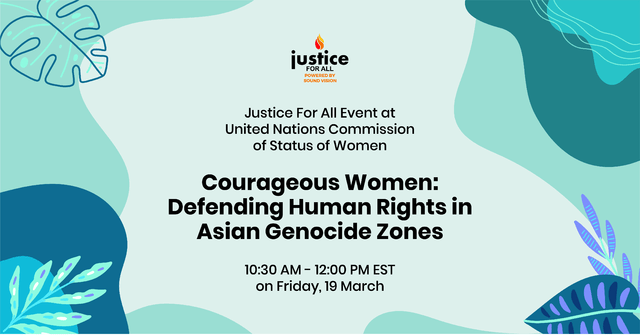
Justice For All Event at United Nations Commission on the Status of Women On Rohingya, Uyghur, Kashmir and India
10 Things to do for Burma
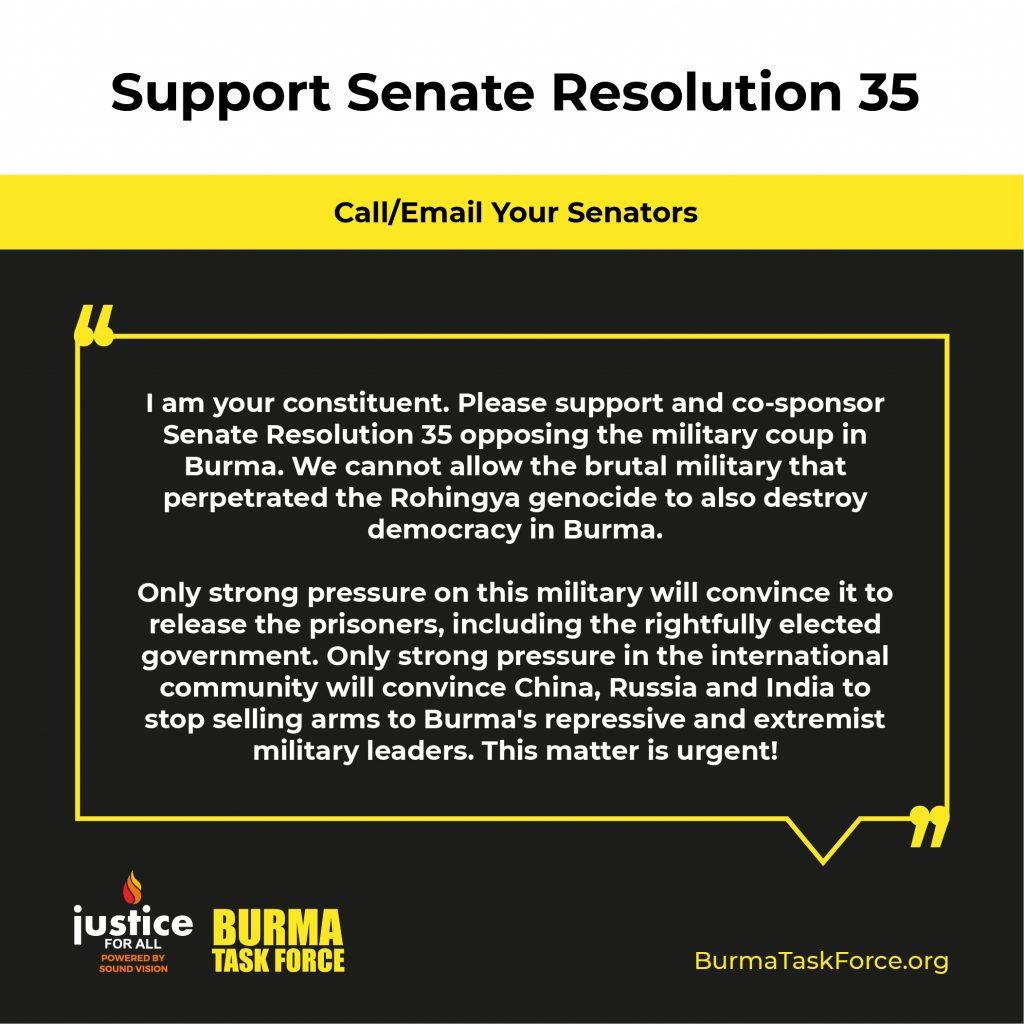
Call The White House and US State Department and urge them not to forget the importance of a Genocide determination for Rohingya.Support House Resolution 134 and Senate Resolution 35 Against the Coup Call The White House and US State Department and urge them not to forget the importance of a Genocide determination for Rohingya.Call The…
Joint Call For A Global Arms Embargo On Burma (Myanmar)
Effort led by Human Rights Watch We, the undersigned organizations, call on the United Nations Security Council and UN member states to urgently institute a coordinated, global arms embargo on Myanmar in response to the February 1, 2021 military coup that has deprived the people of Myanmar of the right to democratically elect their government.…
For Immediate Release: ASEAN Governments Must Not Weaken Democracy In Burma: Burma Task Force Urges Indonesia to Recognize Resistance, Minorities
February 24, 2020 For More Information, Contact: Ariba Khan Ariba@justiceforall.org (Washington, D.C.) Today, as Burmese protesters rallied at the Indonesian embassy in Yangon, the Indonesian Government announced that Foreign Minister Retno Marsudi had cancelled his plans to meet with Myanmar’s military leaders, while holding open the possibility of future talks. The leaked plan by Indonesia…

For Immediate Release: ASEAN Governments Must Not Weaken Democracy In Burma: Burma Task Force Urges Indonesia to Recognize Resistance, Minorities
For More Information, Contact: Ariba Khan Ariba@justiceforall.org (Washington, D.C.) Today, as Burmese protesters rallied at the Indonesian embassy in Yangon, the Indonesian Government announced that Foreign Minister Retno Marsudi had cancelled his plans to meet with Myanmar’s military leaders, while holding open the possibility of future talks. The leaked plan by Indonesia appears to award…

For Immediate Release: Over 200 CSOs Call For IFI Loans To Burma To Be Frozen And Reassessed
Two hundred and eighteen civil society organizations from Burma (Myanmar) and globally have urgedInternational Financial Institutions (IFIs) to immediately freeze loans and other financialassistance to the country amounting to an estimated US$11Billion. In a joint letter led by 120civil society groups in Burma (Myanmar), signatory organizations demanded that IFIs recall loanslinked to the junta and…
International Financial Institutions (IFIs) and State Donors: Stop Loans And Fully Reassess Burma Policy In Light of Coup d’état Do not Fund the military Junta or Its Cronies
Download Letter from CSOs to IFIs_FINAL Download Letter_from_CSOs_to_IFIs_Burmese Download Press Release Burma_Coup_and_IFI_Statement To the international community, and in particular, IFIs and States, We urge you, in the strongest terms, to immediately freeze and comprehensively reassess your lending relationship with Myanmar, in light of the 1 February 2021 coup d’état by the Myanmar military (Tatmadaw). The coup was illegal,…
Burma Taskforce congratulates Nobel Peace nominee Tambadou
A timely choice to highlight universal rights, oppose genocide Now, at a dramatic moment of crisis when the Burmese military has once again halted democracy in its tracks, and other nations evade their responsibilities under the UN Charter, the nomination of Abubacarr Tambadou for the Nobel Peace Prize this year reminds us all that the…
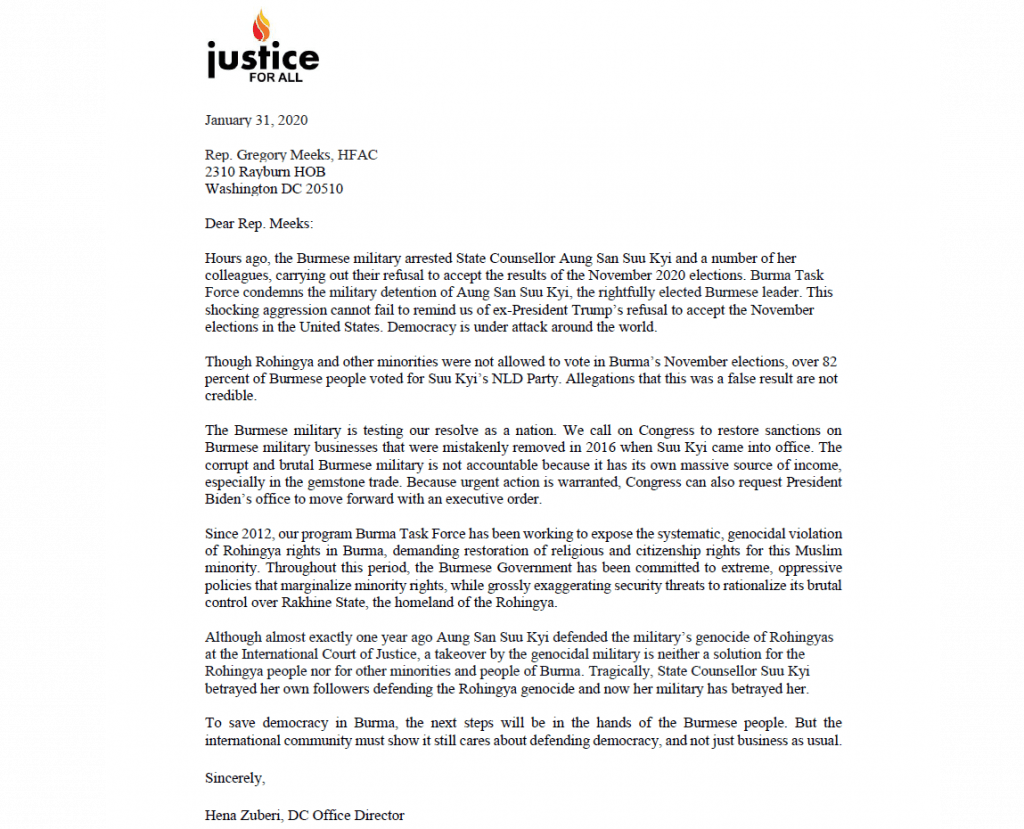
Letter to Congressman Meeks
January 31, 2020 Rep. Gregory Meeks, HFAC 2310 Rayburn HOB Washington DC 20510 Dear Rep. Meeks: Hours ago, the Burmese military arrested State Counsellor Aung San Suu Kyi and a number of her colleagues, carrying out their refusal to accept the results of the November 2020 elections. Burma Task Force condemns the military detention of…
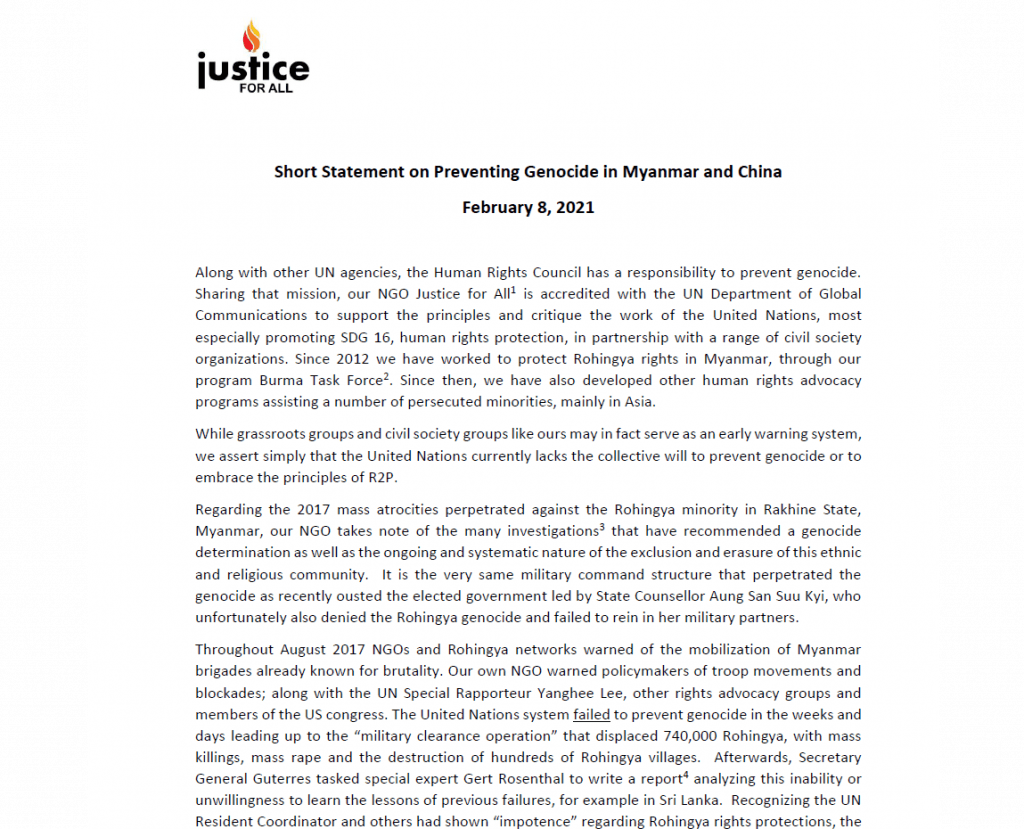
Preventing Genocide in Myanmar and China
Short Statement on Preventing Genocide in Myanmar and China February 8, 2021 Along with other UN agencies, the Human Rights Council has a responsibility to prevent genocide. Sharing that mission, our NGO Justice for All1 is accredited with the UN Department of Global Communications to support the principles and critique the work of the United…
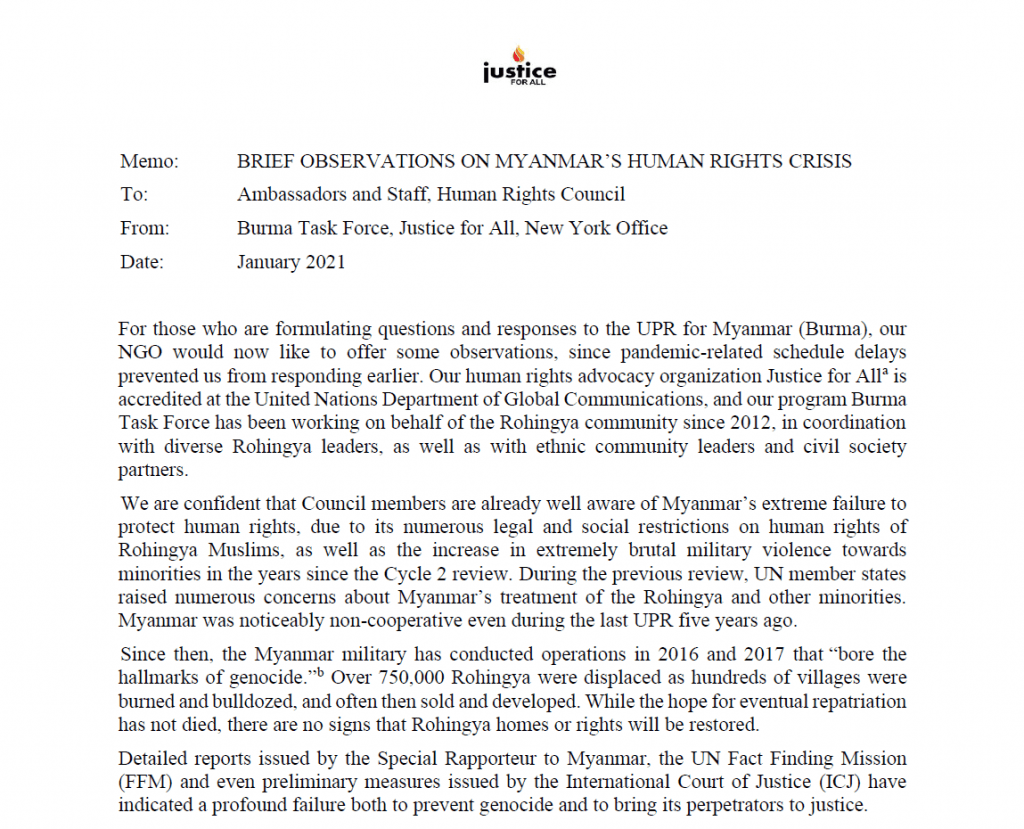
Letter to Human Rights Council on Myanmar Genocide
Memo: BRIEF OBSERVATIONS ON MYANMAR’S HUMAN RIGHTS CRISIS To: Ambassadors and Staff, Human Rights Council From: Burma Task Force, Justice for All, New York Office Date: January 2021 For those who are formulating questions and responses to the UPR for Myanmar (Burma), our NGO would now like to offer some observations, since pandemic-related schedule delays…
Watch The Burma Conference on Effects on Minorities Post Coup And Learn How You Can Help?
https://youtu.be/TQJFjbAlMsA Volunteer Take Action
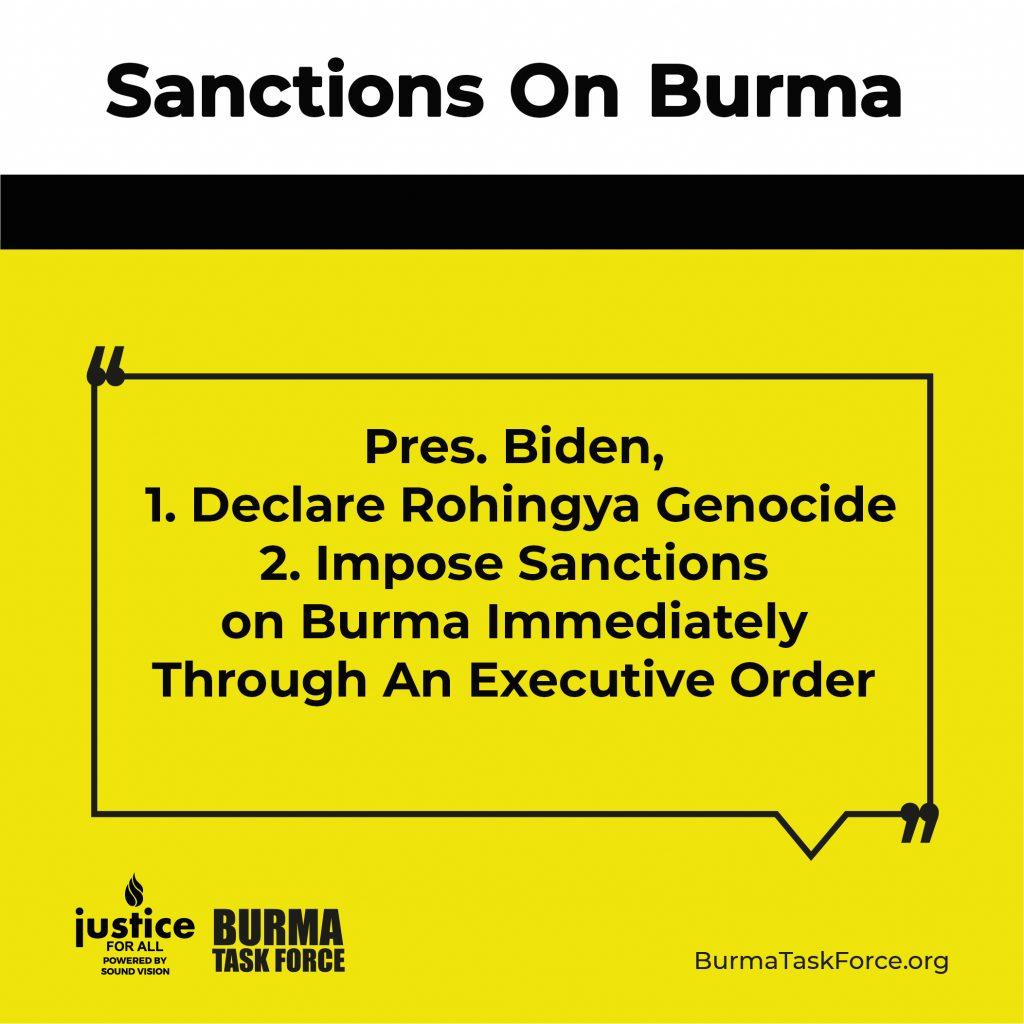
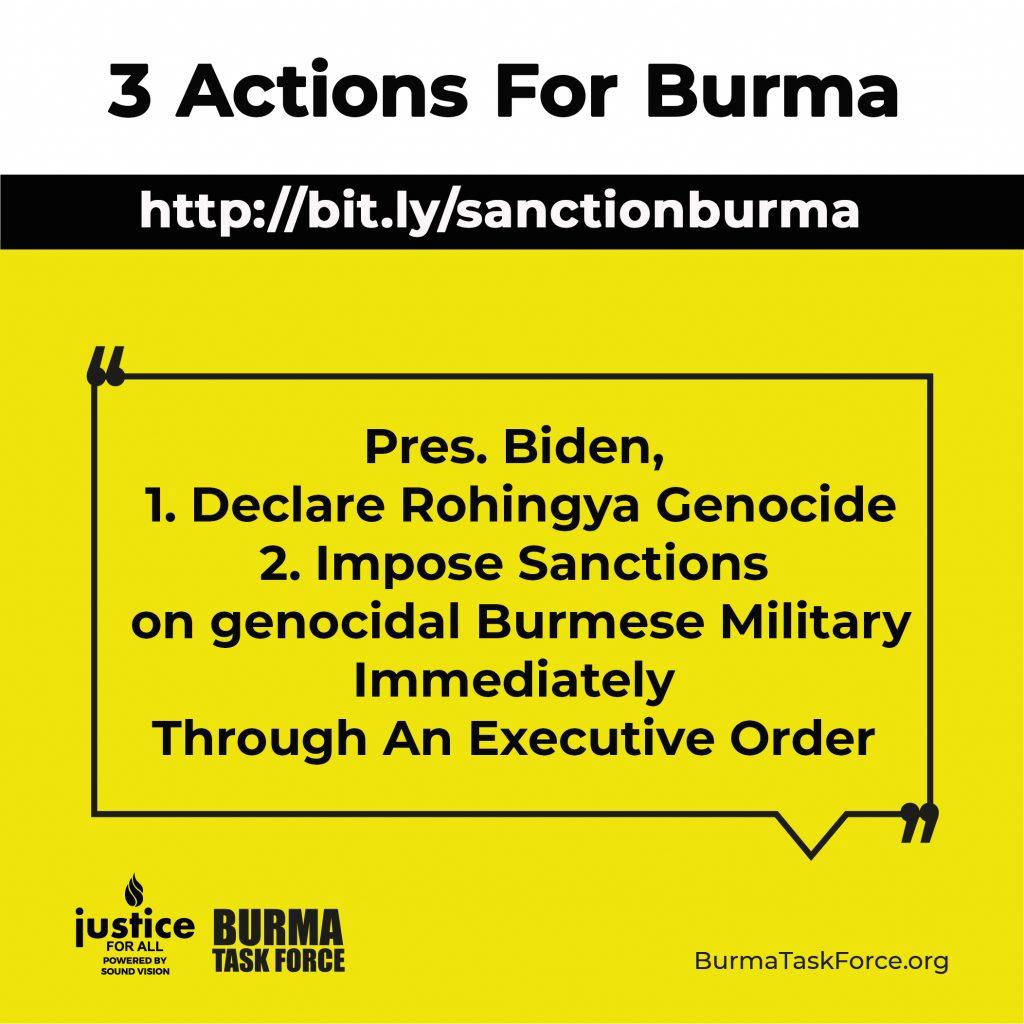
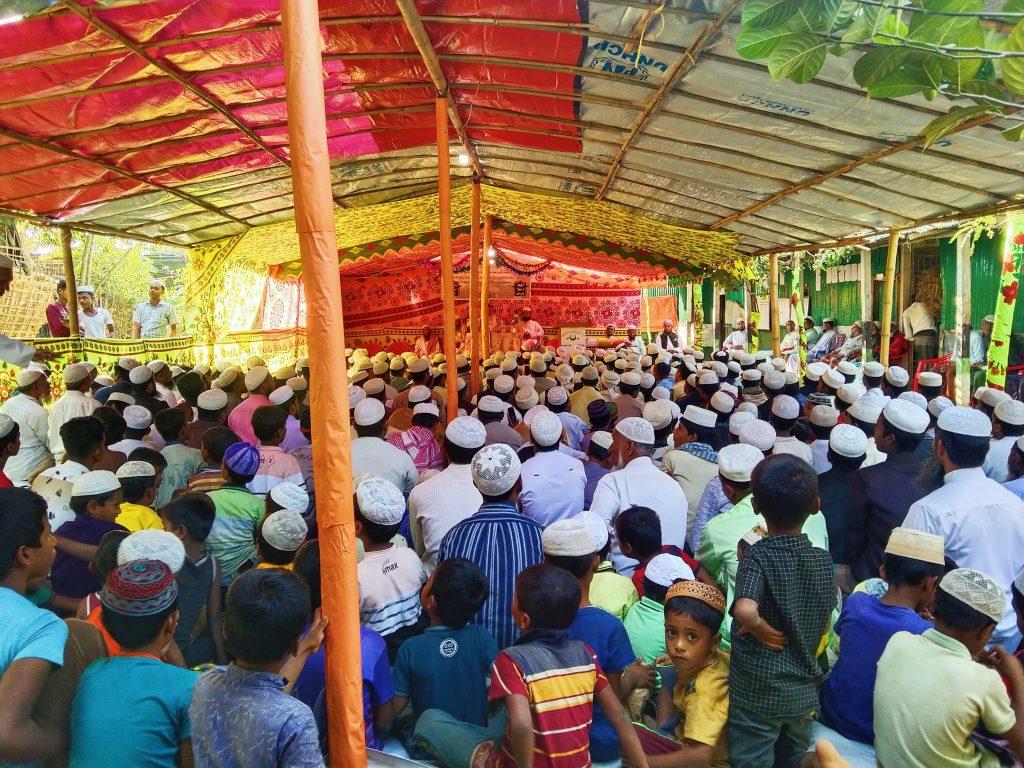
Chicago’s Burmese community urges U.S. to act against Myanmar military
(WBBM NEWSRADIO) — The coup that brought an end to democracy in Myanmar has the Burmese community in Chicago calling on the U.S. government to take firm action. Forty-three-year-old Nasir Zakaria became a U-S citizen last year. He came to Chicago in 2013 — as a refugee, originally from Myanmar, or Burma as it was…

Burmese community in Australia in shock after military coup and arrest of Aung San Suu Kyi in Myanmar
Members of Australia’s Burmese community have been left in a state of shock and disbelief after the military detained Myanmar’s de facto leader Aung San Suu Kyi. The news of the pre-dawn arrest of Ms Suu Kyi and the military seizing power in a potential coup resurrected memories of life under military rule for many…
For Immediate Release: Burma Task Force Condemns Military Coup in Burma
For Immediate Release Contact: Adem Carroll Adem@justiceforall.org (Washington D.C., January 31, 2020) In the early hours, the Burmese military arrested State Counsellor Aung San Suu Kyi and a number of her colleagues, carrying out their refusal to accept the results of the November 2020 elections. Burma Task Force condemns the military detention of Aung San…
Tweet and Thank The U.S. Secretary of State
Please thank Mr. Blinken via Twitter: https://thediplomat.com/2021/01/biden-administration-to-probe-rohingya-genocide-claim/
Action Alert: Contact UNHCR On Freedom Of Movement of Rohingya
Burma has arrested 99 Rohingya seeking to travel within the country outside Rakhine State. Though this lack of freedom is deplorable, we note that at least during the pandemic that those arrested have generally been sent back to Rakhine, instead of being held in prison for long periods. This is a small improvement. However, we…
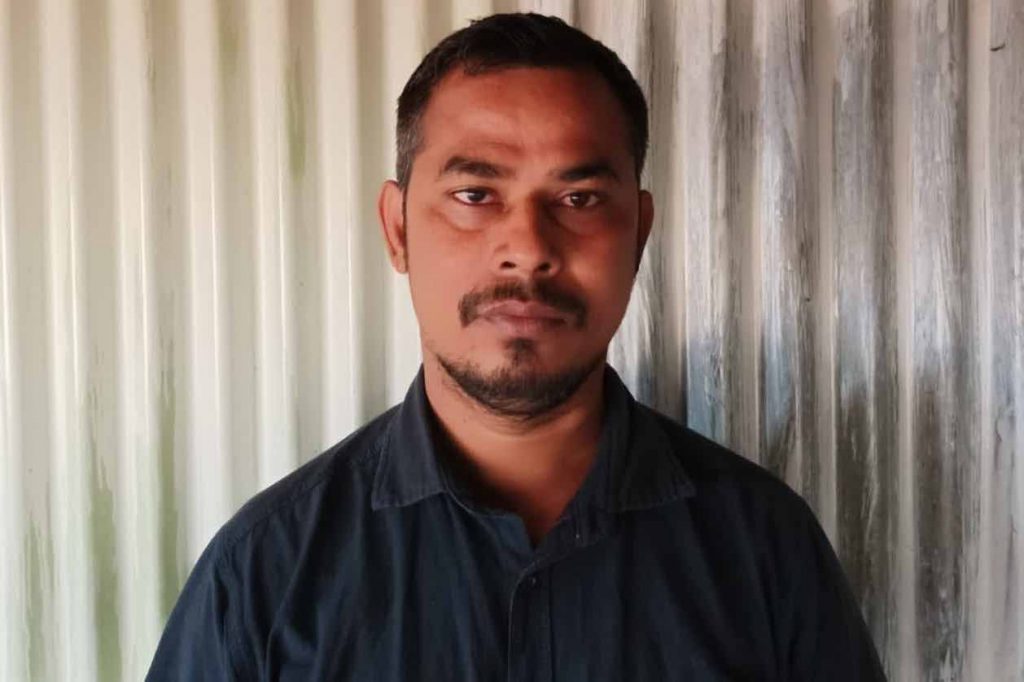
Rohingya Activists and Allies Demand: Release Abul Kalam Immediately
Press Release: 31 December 2020 Contact: Shafiur Rahman | shafiur@gmail.com | Twitter Summary: Well known Bangladeshi and international human rights figures, lawyers, academics, filmmakers, photographers, journalists and human rights focussed organisations are calling for the release of talented, young Rohingya photographer Abul Kalam. On the morning of 28th December 2020, Abul Kalam, an award-winning…
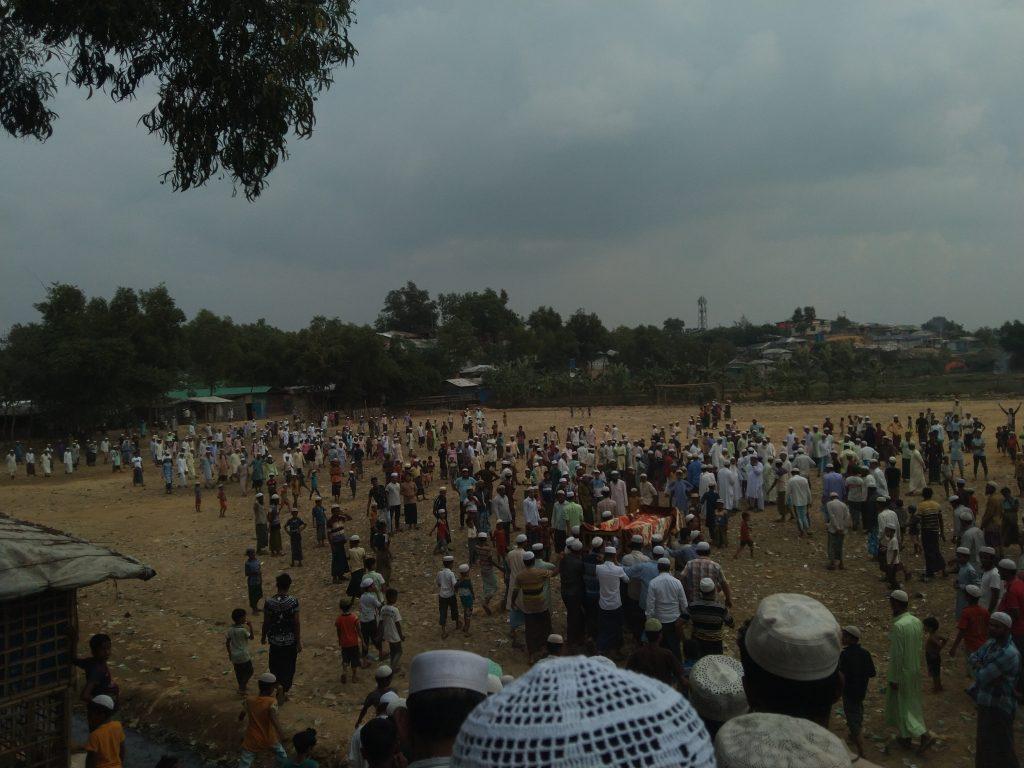
North American imams: Bangladesh must halt Rohingya relocation
File photo of Rohingyas board one of the ships at Chittagong Boat Club to travel to Bhashan Char on Friday, December 4, 2020 Humayun Kabir Bhuiyan/Dhaka Tribune Recently, Sesame Street announced two Rohingya puppet characters, demonstrating how the world is embracing these Muslim genocide survivors North American imams and Muslim leaders have demanded Bangladesh government…
120 North American Imams & Leaders Write TO Bangladesh Government: Stop Rohingya Relocation To Bhasan Char
Contact: Adem Caroll Adem@justiceforall.org +1 (646) 251-0402 For immediate release (Washington D.C., 12/23/2020) The Muslim North American leadership has found a united voice on human rights. A diverse group of 120 imams, chaplains, scholars and other leaders in the USA and Canada has signed onto a letter to the Foreign Minister of Bangladesh. Their demands:…
North American Imams And Muslim Leaders Letter To Bangladesh Government
H.E. Dr. A. K. Abdul Momen, MP 12/21/2020 Foreign Minister of Bangladesh Ministry of Foreign Affairs Segunbagicha, Dhaka 1000 Bangladesh Dear Foreign Minister AK Abdul Momen: Assalamualaikum, Honorable Foreign Minister, we admire Bangladesh’s remarkable generosity in allowing over a million Rohingya temporary safe haven. However, we request you stop the displacement to Bhasan Char. We…

US Embassy In Burma Partners With Genociders, Let Them Know How You Feel
Please tweet: Write to the State Department at: @StateDRL US Embassy @USEmbassyBurma and Please add: #Rohingya and #TomVajda (the new Ambassador) Leave a comment on Facebook here: https://www.facebook.com/usembassy.rangoon/photos/a.127051360710025/3537053179709809/ or write to the embassy her: http://mm.usembassy.gov/
Bangladesh Must Immediately Stop The Relocation of Rohingya to Bhasan Char
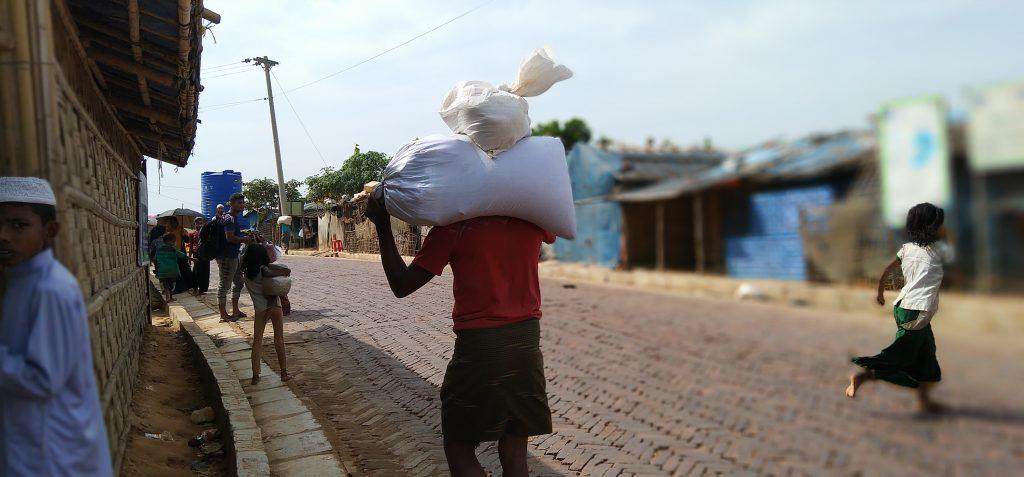
Burma Task Force demands that the government of Bangladesh must immediately cease its plans to move the Rohingya refugee population to the floating, seasonally submerged island of Bhasan Char. This controversial plan was announced years ago and is now being implemented. Bangladesh plans to send 100,000 Rohingya to this facility. Human Rights Watch reports that…
A Crisis of Democracy: Confronting the Unfair Elections in Burma This Week
https://youtu.be/fl2jTWHvpes UN This Week: A Crisis of Democracy: Confronting the Unfair Elections in Burma This Week. A conversation with Marlene Spoerri, Director of Inclusive Democracy and Systems Change at the NGO Independent Diplomat.
Stop Genocide Save Rohingya Now
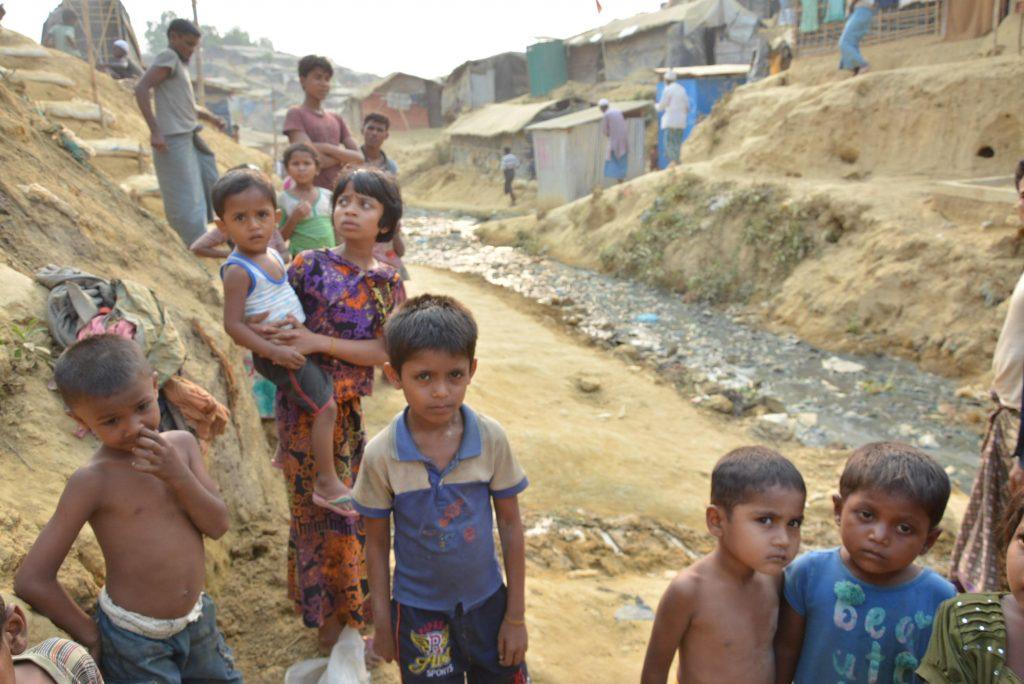
Burma Task Force (BTF) works to stop genocide in Burma. It is a coalition of 18 Muslim organizations which came together in 2012 at the invitation of Sound Vision in response to systematic attacks by the ultra-nationalist Buddhists upported by government military and security forces in the August of 2012 against the Rohingya. The Coalition…
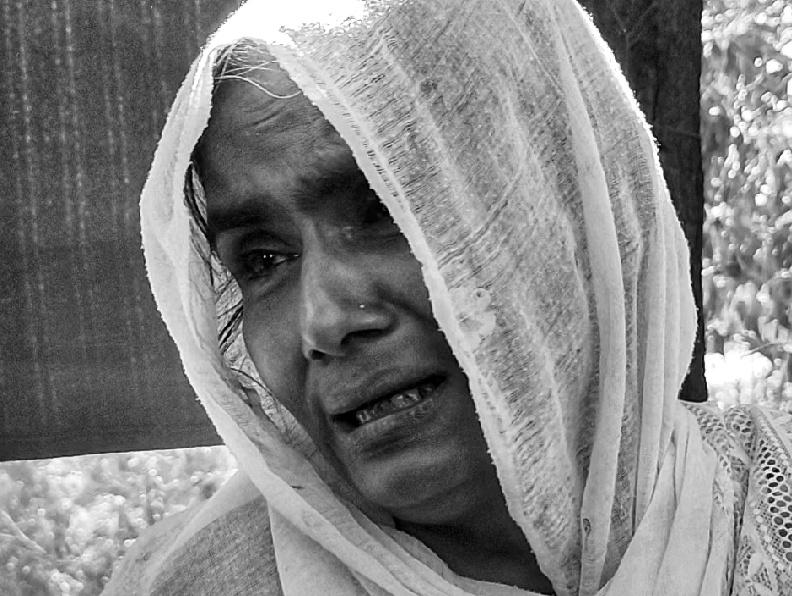
The Rohingya Rape Victims of the Burmese Military
Assalamu Alaikum Our world has become a painful place for Rohingya women. The Rohingya rape victims often suffer in silence and isolation, as their pain is very personal, especially for the pious religious teenagers who observe hijab. And the Burmese military knows it. So they take scores of Hijabis to a village masjid and gang…
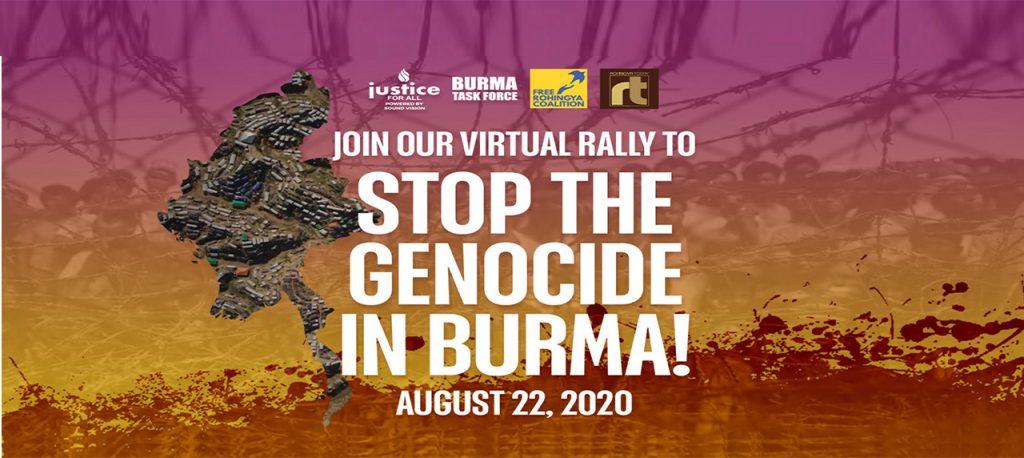
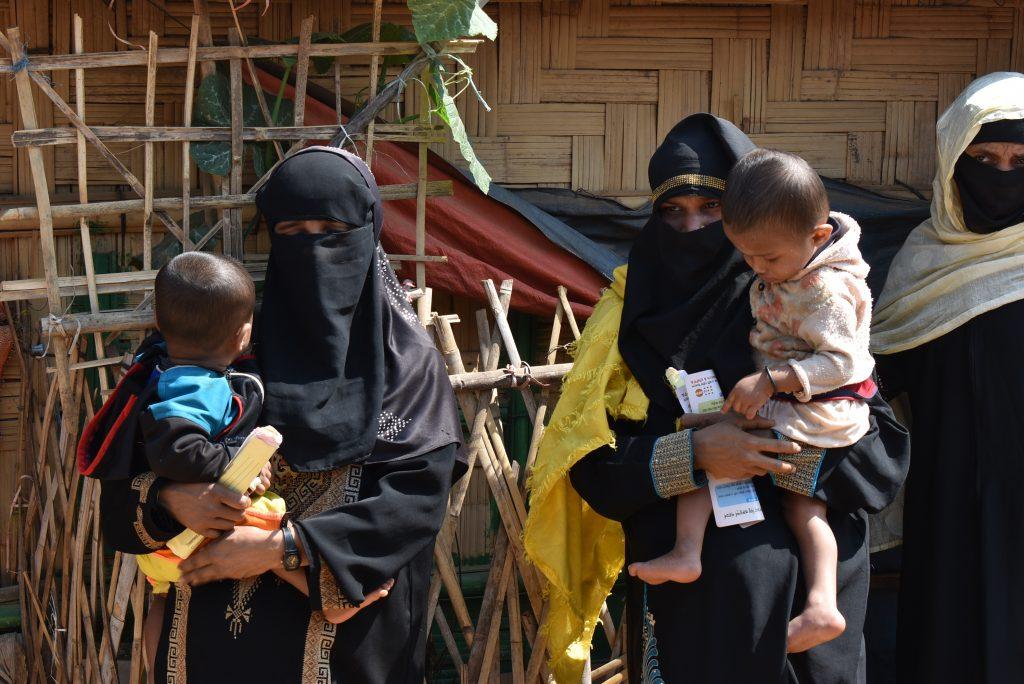
Tweet At UN: Rohingya Must Be Allowed To Vote In The Burmese Elections
The Burmese government has refused to allow the Rohingya Muslim minority to vote since 2015, and we ask that these voting rights be restored. Democracy cannot be based on oppression or exclusion of minority populations. Despite these serious concerns, the international community has helped fund the Burmese election, for example with the mVoter2020 app, launched last…
Refugees and Displaced Rohingya, All Woman Panel Hosted by Asima Silva
Needs in Bangladesh During the COVID 19 Crisis Moderator, Asima Silva, Justice for All Dr Ranit Mishori, Senior Medical Advisor, Physicians for Human Rights Human Rights Violations against the Rohingya, from Myanmar to Bangladesh, and Health Worker Insights Sharifah Shakirah, Rohingya Leader, Rohingya Women Development Network Xenophobic Treatment of Migrants and Other Vulnerable Communities @USCIRF…
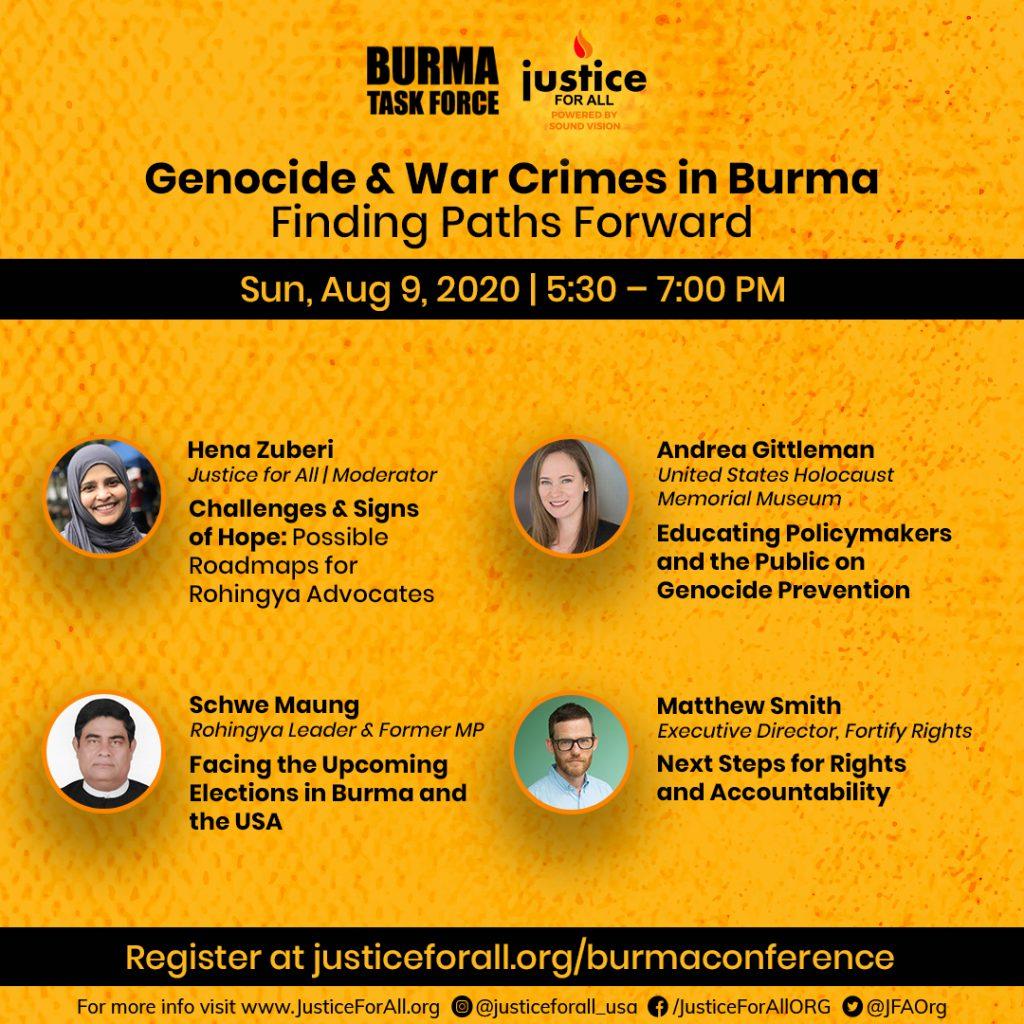
Next Steps, Elections and Opportunities Discussion hosted by Sr Hena Zuberi
Challenges & Signs of Hope; Possible Roadmaps for Rohingya Advocates Hena Zuberi, Moderator Rohingya Leader and Former MP Schwe Maung Facing the Upcoming Elections in Burma and the USA: Andrea Gittleman, United States Holocaust Memorial Museum Educating Policymakers and the Public on Genocide Prevention Matthew Smith, Executive Director, Fortify Rights Next Steps for Rights and…
Partnership Building and Strengthening Solidarity, Facilitated by Adem Carroll
Building Partnerships, Building Solidarity Adem Carroll, Justice for All, Moderator Dr Wakar Uddin, Arakan Rohingya Union: Building coalitions to Garner Support for the ICJ court case Nadira Kourt, Global Center for Responsibility to Protect Strengthening the UN Process in Behalf of the Rohingya Simon Billenness, International Coalition for the Rohingya Confronting Corporate Complicity & Restrictions…
American Muslims Launch ‘Burma Task Force USA’
WASHINGTON DC—Prominent Muslim American groups have come together to launch Burma Task Force USA with the objective of raising the profile of the Rohingya issue while speaking out against alleged atrocities and human rights violations which have forced thousands to flee and seek refuge in neighboring Bangladesh. “We demand that those responsible for the mass…
Teach-in on Rohingya Genocide in Myanmar
On Saturday, three human rights experts and student advocates gathered over Zoom to call the Yale community’s attention to the Rohingya Genocide in Myanmar. “Justice for Burma,” moderated by Yale Genocide Studies Program Director David Simon, aimed to educate the public on the origins of Rohingya prejudice in Myanmar, the approaches the international community has…
Tweet At Rohingya Donor States
Thank you @StateDept @SecPompeo #StephenBiegun but Rohingya need a future, not just food #RohingyaRefugeesDonors https://www.justiceforall.org/burma-task-force/burma-task-force-rohingya-require-a-future-not-just-food/ Tweet Thank you @USAIDMarkGreen #JohnBarsa #RohingyaNeeds @EUatUN @OlofBSkoog but Rohingya need a future, not just food #RohingyaRefugeesDonors https://www.justiceforall.org/burma-task-force/burma-task-force-rohingya-require-a-future-not-just-food/ Tweet
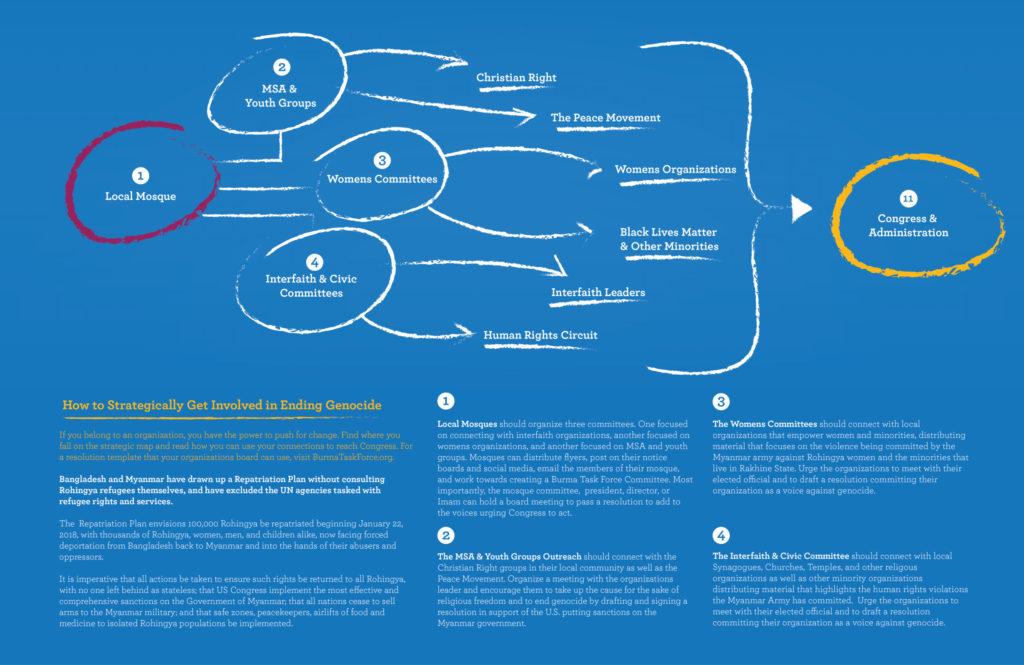
Resources For Congressional Campaign
How to get involved in strategically ending the genocide. The Repatriation Plan drawn without consulting Rohingya refugees envisions 100,000 Rohingya be repatriated beginning January 22, 2018, with thousands of Rohingya, women, men, and children alike, now facing forced deportation from Bangladesh back to Myanmar and into the hands of their abusers and oppressors. It is imperative that all actions…
A Vision For The Future: Rakhine & Rohingya Cooperation
Despite decades of state sanctioned Islamophobic propaganda and attacks on the Rohingya community, there are still a few places in Burma’s western Rakhine state where intercommunal friendship and peaceful coexistence exist. “Sin Tet Maw and the surrounding Buddhist fishing villages in Pauktaw township are very remote. With mountains on one side and sea on the…
Azeem Ibrahim: A Preview To The Next Genocide Of Our Time
Writing in the Islamic Monthly, author Azeem Ibrahim discusses the reality of the genocide beign perpetrated against the Rohingya people. “This magazine has published at length articles about the situation of the Rohingya people of Myanmar. According to the U.N., they are the most persecuted minority in the world at the moment. But awareness of…
Yangon: Interfaith Demonstrators Protest Anti-Islamic Crimes
Interfaith student youth activists took to the streets of Burma to protest against recent Islamophobic hate crimes that have been perpetrated by extremist Buddhist nationalists against the minority Muslim population of Burma. “We are marching together within every religion! Everyone can join with us!” If you were out in Yangon on Saturday you may have…

US Set To Renew, But Tweak, Sanctions Against Myanmar
The sanctions that are in place against Burma are set to expire next week. Human rights groups, including Burma Task Force, have called on the US government to renew its sanctions, since the government of Burma has not changed its repressive policies against minorities. U.S. lawmakers of both parties have also urged Obama to renew…
Burma: Military Chief Says “There Are No Rohingya”
Myanmar has no Rohingyas and will not accept the term, Commander-in-Chief Senior General Min Aung Hlaing told a press conference held at his offices on May 13. The Union Daily asked about unrest in Rakhine State in relation to the Rohingya issue and asked about the remarks about the Rohingya made by the US embassy.…
Rohingya Hopes Fade As Suu Kyi Continues Old Measures
The ruling NLD party and its leader Aung San Suu Kyi inspired a lot of excitement in a new future when it swept elections this past November. For many of Burma’s long suffering ethnic minorities, including the Rohingya Muslims, her victory provided them with a ray of hope that their future could be greatly improved,…
Series Of Anti-‘Rohingya’ Protests Planned In Myanmar
Extremists are never satisfied when you capitulate to one of their demands, they will always follow it up by asking for more. By caving to extremists, Suu Kyi has set herself up for more hatemongering demands from the Ma Ba Tha.: Myanmar nationalists announced Wednesday that a series of protests were planned across major cities…

Anti-Rohingya Protesters Hit Ayeyarwady Region
The three-hour demonstration in the heat of the afternoon brought hundreds to Shwe Maw Taw Pagoda in Pathein. Over 90 monks and nuns also participated, according to demonstration organisers and locals. The nationalist camp has been in a fervour over the official terminology for a Muslim group in Rakhine State that self-identifies as Rohingya since…

Kerry Meets Suu Kyi: Emphasizes Human Rights, Rohingya Identity
Secretary of State John Kerry met with Aung San Suu Kyi on May 22 and both held talks about US-Burma cooperation, including pressing issues relating to human rights, the persecution of the Rohingya and of course economic development and investment. Burma Task Force and its supporters called on Secretary of State John Kerry to emphasize the importance…
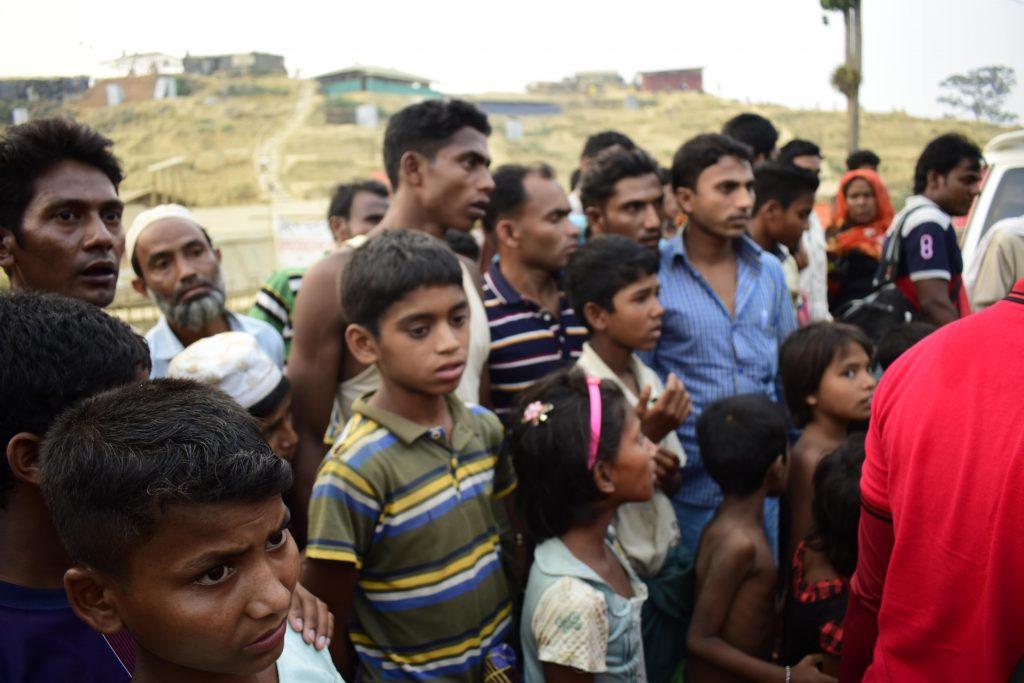
Rohingya Refugee: We Were Hunted Down By Mob
AlJazeera English has published a heartbreaking profile story of a Rohingya Muslim refugee who endured horrific violence and witnessed the brutal murders of family members including four of his own children.: “For decades, Rohingya Muslims have been fleeing Myanmar, a Buddhist majority country where they are forced to live in apartheid-like conditions and denied access…
Under Siege In Aung Mingalar
Only 4,000 Rohingya remain in the Aung Mingalar quarter in Sittwe, a neighborhood in which 15,000 Rohingya used to live in relative peace and comfort until the pogroms against their community turned their lives upside down. Aung Mingalar has since been described by visitors and observers as a “Muslim ghetto,” “an open-air prison” with Rohingya…
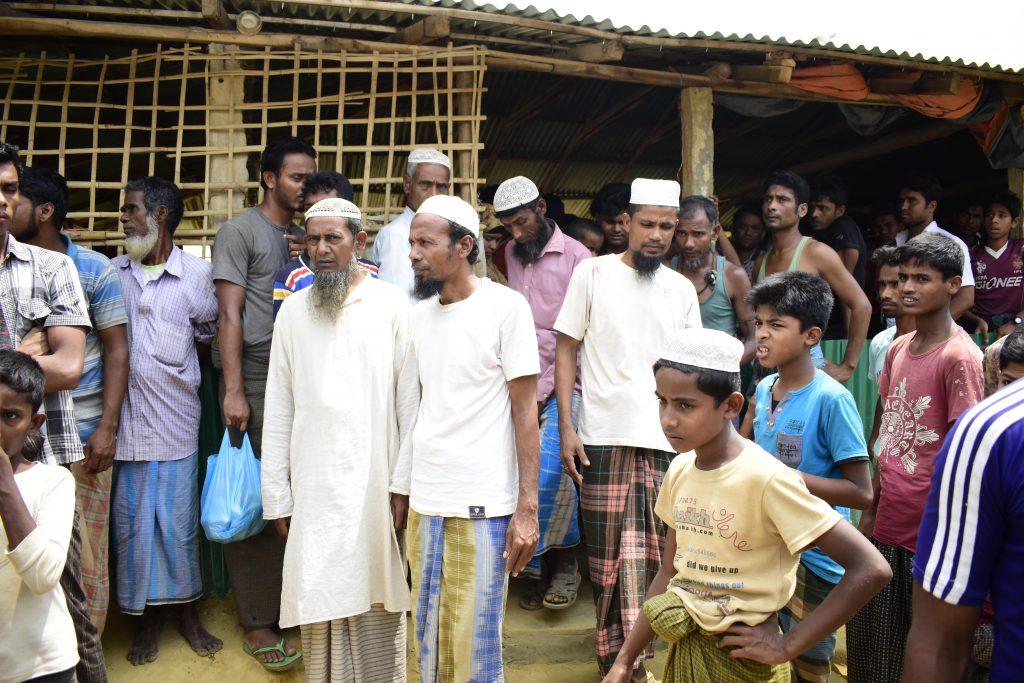
Some Myanmar Citizens Reject Suu Kyi’s Call To Avoid Using Terms ‘Rohingya’ And ‘Bengali’
Suu Kyi, during her meeting with Secretary of State John Kerry stated that the name “Rohingya” and “Bengali” should not be used to refer to the persecuted ethnic Muslim minority because they are divisive and “emotive” terms that don’t help to resolve the conflict. Once again Suu Kyi is addressing the issue without actually offering…

Burma’s First Catholic Cardinal Speaks Up For Rohingya, Freedom Of Religion
It is remarkable that such a diverse nation as Burma did not have a Cardinal until February 15, when Pope Francis consecrated Charles Maung Bo as Cardinal, making him the first Catholic Cardinal of Burma. Cardinal Bo is heading the Burmese Catholic Church at a crucial moment in time: at the same time that a…
Ma Ba Tha In The Classroom: School Teaches Children To ‘Protect Race And Religion’
The ultra-nationalist Ma Ba Tha organization is expanding its operations into the educational sector. The hate group best known for its Islamophobic and anti-Rohingya campaigns of violence and intimidation will now be in the poisition of indoctrinating youth into their extremist theological and nationalist ideologies.: RANGOON — Buddhist monks of the ultra-nationalist Association for the…
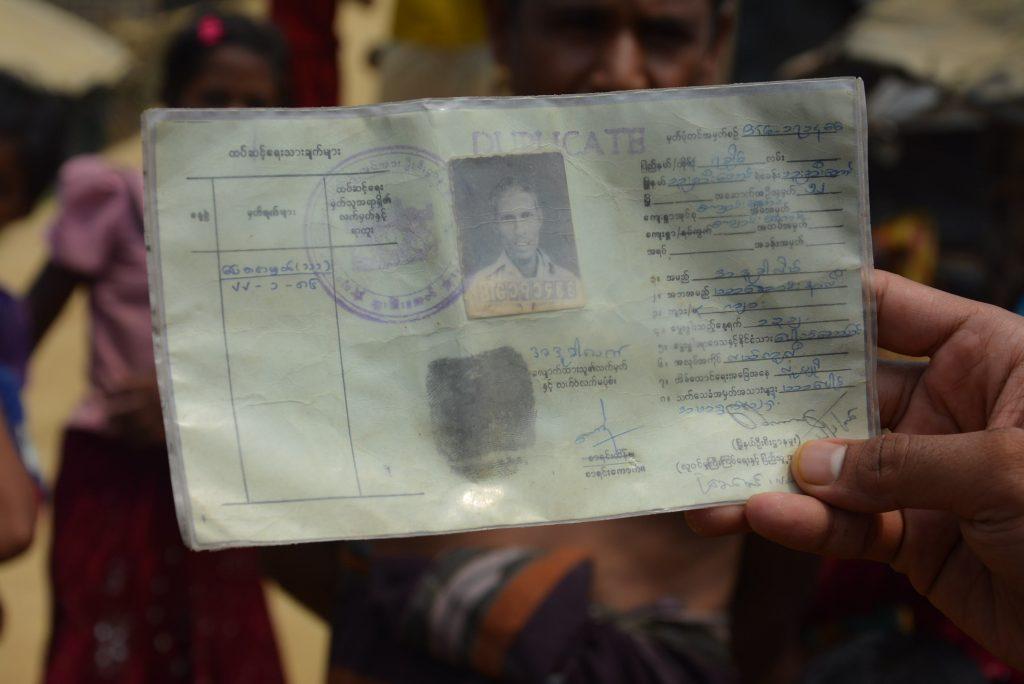
Ma Ba Tha Vows To Maintain Fight Against Rohingya Citizenship
Extremist monks gathered at a monastery in Insein township in Yangon on Saturday for their annual summit and to mark the three-year anniversary of their organization, the Ma Ba Tha. “The monks vowed to continue protecting race and religion under the new government, while also maintaining the fight against citizenship for those who self-identify as…

Burma’s Aung San Suu Kyi Forced To Address Rohingya Muslims Issue
In a recent press conference with US Secretary of State John Kerry, Aung San Suu Kyi, was forced to address the Rohingya issue. Up until then she had been conspicuously silent on the matter, her views were ambiguous and punctuated by an advisory sent from the Burmese Foreign Ministry she leads to foreign ambassadors “not…
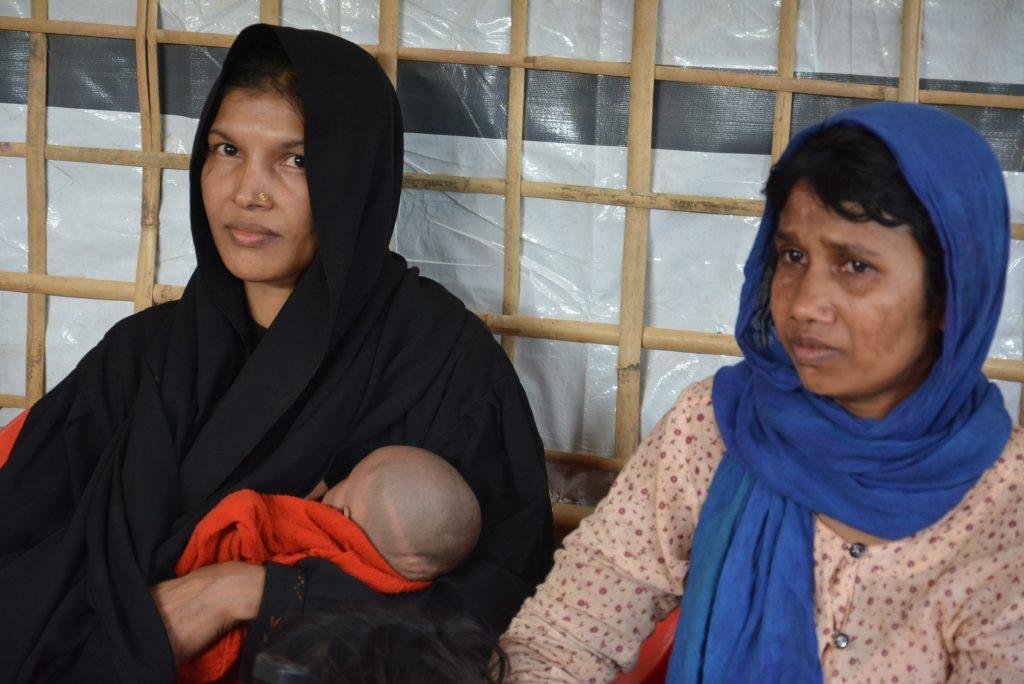
Pilot Census Lays Groundwork For Citizenship Verification In Rakhine
The project, which began on June 7, is largely carrying on with the citizenship verification project the last government had launched to address the large stateless community. Immigration officials are counting residents who had been handed light-blue “green cards” last year, and is providing the cards to those who qualify but lack them. The project is promising later scrutiny…
Rohingya Reject New Citizenship Verification Cards
RANGOON — A citizenship verification exercise aimed at stateless Muslims in Arakan State, which resumed last month, has been temporarily suspended in Ponnagyun Township, where residents of a small Rohingya village have refused to cooperate. The Rohingya Muslim residents of Tarle village have refused to accept National Verification Certificates (NVCs) being handed out because the…
Blog: Portrait Of The Southeast Asian Muslim
Same Islam, Different Colors: a Portrait of the Southeast Asian Muslim by Jennifer Sawicz, Media Relations Director, Burma Task Force USA 13 June 2016 This Ramadan, it is intriguing to see how Islam is different in Southeast Asia, how it is the same as elsewhere in the world, and what that means for our understanding…

New Wine In Old Bottles: An Interfaith Glimpse At The Myanmar Censorship Board
by Jennifer Sawicz, Media Relations Director 17 June 2016. Everyone loves a good story. The very existence of film festivals around the world is testament to that. But at the fourth annual Human Rights Human Dignity International Film Festival in Yangon, Myanmar (Burma), the good story being promoted is nowhere on the program. It is…
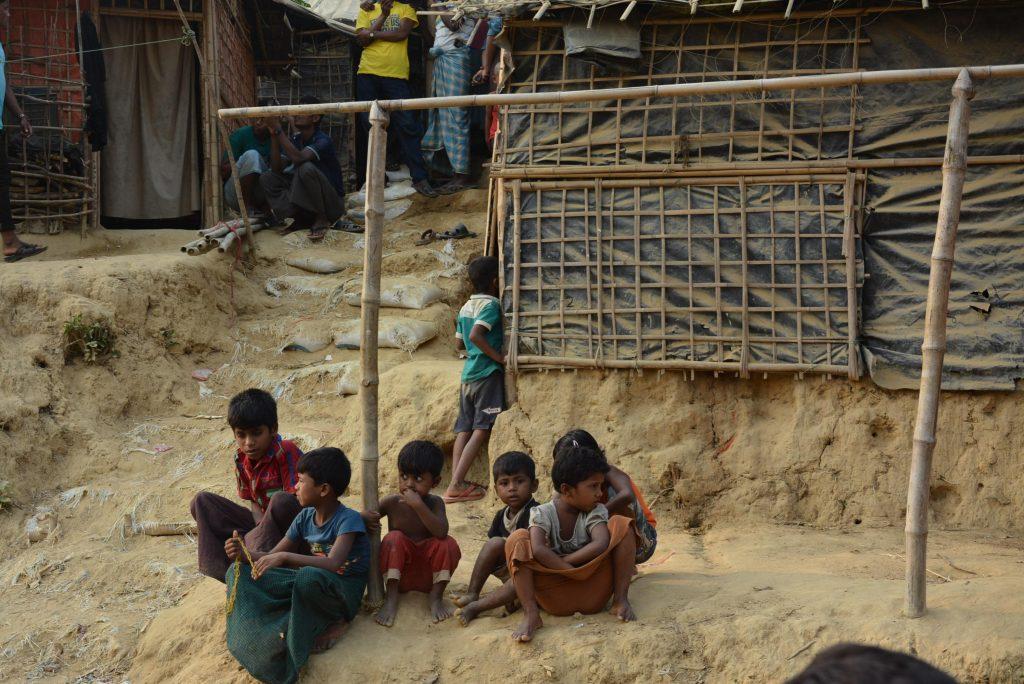
UN: Rohingya May Be Victims Of Crimes Against Humanity
UN Says Myanmar’s Muslim Minority Group Is Being Subjected To Forced Labour, Sexual Violence And Denied Of Citizenship. Widespread and ongoing violations against Myanmar’s Muslim Rohingya minority, including denial of citizenship, forced labour and sexual violence, could amount to “crimes against humanity”, the United Nations has said. Some 125,000 Rohingya remain displaced and face severe…
US-Based Burmese Muslim Group Calls On NLD Govt To End Rohingya Persecution, Restore Rights
In a conference held in Los Angeles on Saturday by the Burmese American Muslims Association (BAMA), an international panel of speakers condemned the ongoing persecution of Burma’s Rohingya minority, placing it within the framework of genocide, and calling on the country’s current government to restore the marginalized group’s rights. The event, entitled Myanmar Muslims Genocide…
Myanmar’s Official Rohingya Genocidal Intent
Written By: Maung Zarni “Never again!”??? @drzarni The slow-burning #Genocide of #Myanmar‘s #Rohingya“. UN, US, UK, EU, ASEAN culpable. Have we no human norms? — maung zarni (@drzarni) February 21, 2014 #Myanmar‘s slow-burning #Rohingya #genocide @FCCThai 25Feb 1030 hr Come see, & hear about #genocidal INTENT @nslwin pic.twitter.com/NPpx41AmA8 — maung zarni (@drzarni) February 21, 2014 Matt Smith, formerly Human Rights Watch researcher and author of the HRW report on the Rohingya ethnic…

Why Obama’s Courtship Of Myanmar Backfired
Josh Kurlantzick writes of the situation in Burma on businessweek.com, November 6th, 2014. “The argument that Myanmar’s location makes it of critical strategic importance has not been borne out over the past five years, either. Myanmar remains a country with a tiny economy and one with little to contribute to regional defense.” “The idea that…
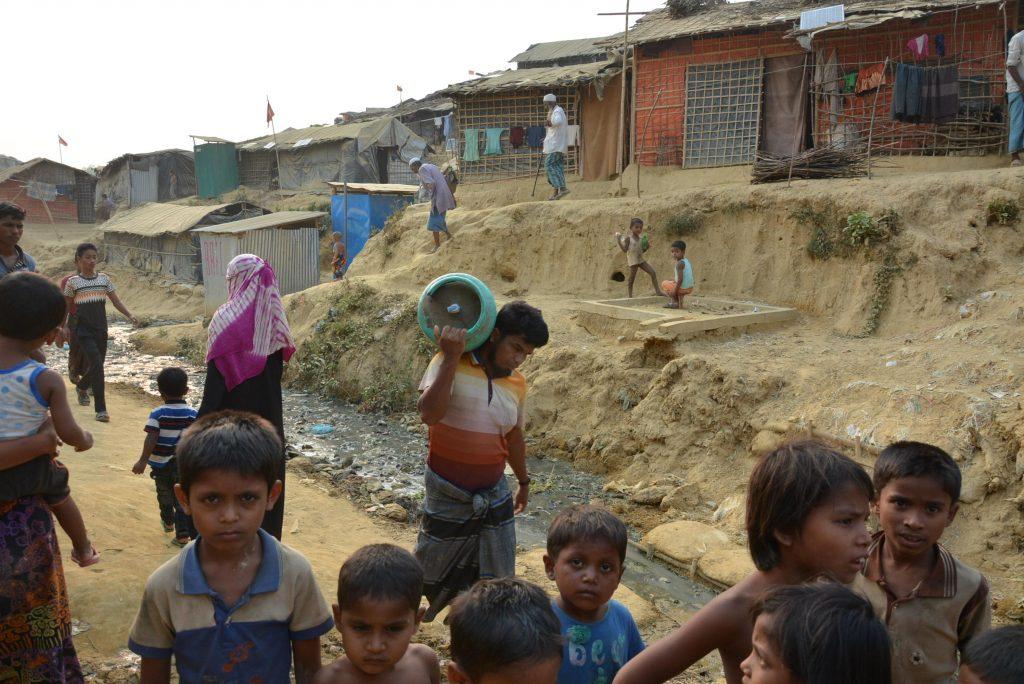
Rohingya And National Identities In Burma
“The most controversial aspect of the census recently held in Burma has been the denial of the large Muslim population in Arakan to identify themselves as Rohingya, the term of their choice. The government ban means as many as one million people remain uncounted in Arakan. That is scarcely surprising, as the Burmese government, Rakhine…
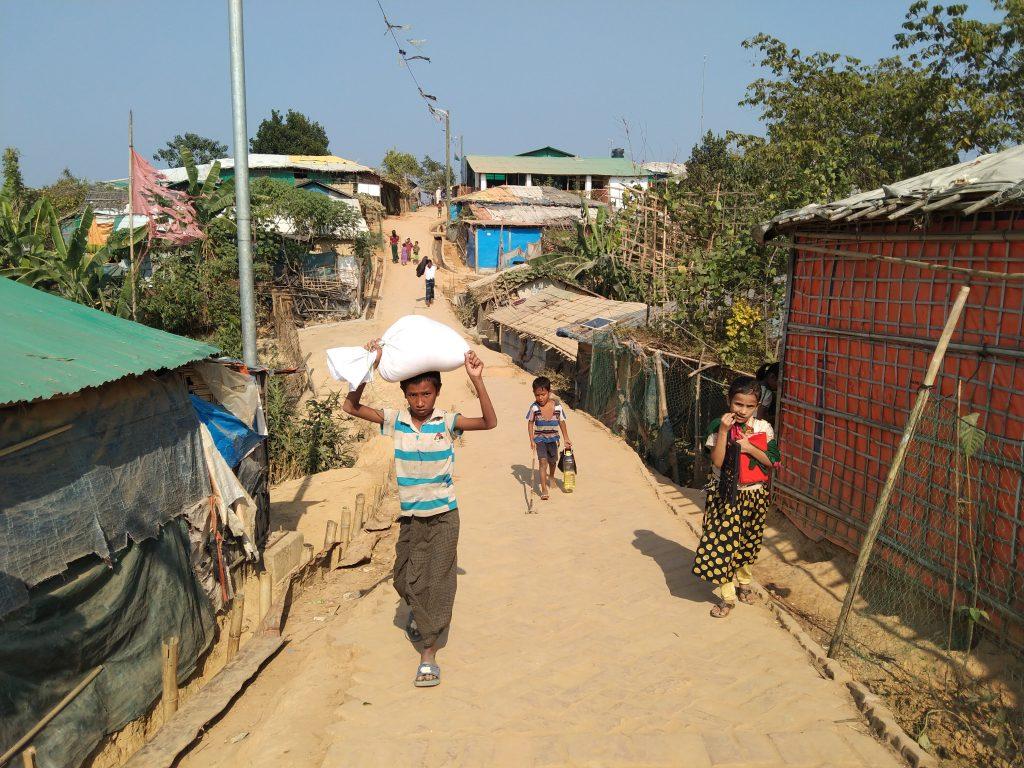
US Lawmakers Face Pressure On Rohingya Crisis
“America has the power and only America can stop the genocide,” said Karim Yakub, a Rohingya refugee who has lived in the US since 2015 Article from Voa News Michael Bowman WASHINGTON — With no end in sight to the Rohingya refugee crisis, faith leaders and advocacy groups fanned out across Capitol Hill on Wednesday to…

Burma, EU At Odds Over Rohingya Rights Mission
Burma’s civilian government is holding water for the military. By Robin Emmott | BRUSSELS The European Union clashed on Tuesday with the visiting leader of Myanmar, Aung San Suu Kyi, by publicly supporting an international mission to look into alleged human rights abuses by the country’s security forces against Rohingya Muslims. The EU’s top diplomat…

Activists Protest Daw Aung San Suu Kyi’s London ‘Freedom’ Award
By Sally Kantar Irrawady News Activists and refugees demonstrated as State Counselor Daw Aung San Suu Kyi was presented with the Freedom of the City of London award on Monday, calling the recognition “disappointing” in light of ongoing abuses against ethnic and religious minorities, journalists and rights activists in Burma. “I’m so disappointed. She needs…

Suu Kyi Handpicks Well-Known Genocidaire For Kofi Annan Panel
In a new announcement, Aung San Suu Kyi has established an advisory commission to find lasting solutions to the issues affecting Rakhine state. In a welcome move she has appointed former UN Security-General Kofi Annan to head the commission. Kofi Annan has previously regretted that he was unable to halt the Rwandan genocide before it was too late, now…
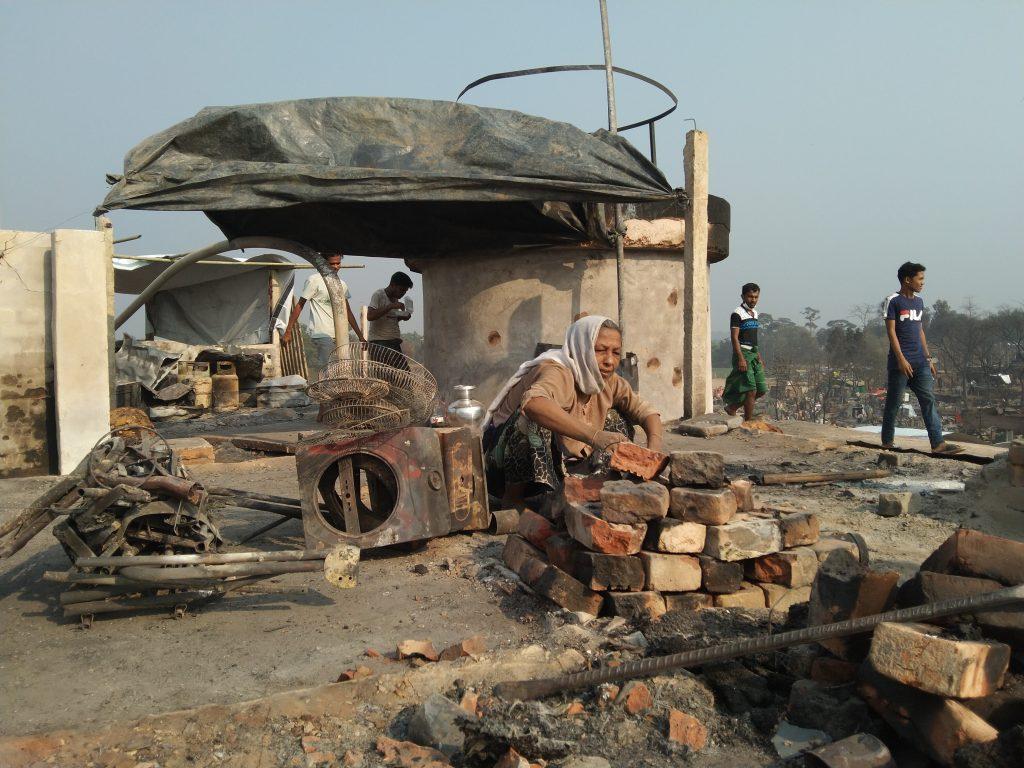
A Rohingya Ramadan
Burma Task Force USA is the only organized advocacy effort putting pressure on Burmese and international governments to end the genocide against the Rohingya and restore their rights as full citizens in their homeland. Every dollar you give goes to helping the Rohingya secure their rights: DONATE TODAY. By Burma Task Force USA Ramadan is a…
UN Refugee Head Calls For Citizenship For Myanmar’s Rohingya
BANGKOK — The U.N.’s top official for refugee affairs said Friday that granting citizenship to members of Myanmar’s Muslim Rohingya minority is crucial for achieving peace in the country’s western state of Rakhine, but economic development is also necessary. United Nations High Commissioner for Refugees Filippo Grandi spoke in Bangkok after an official visit to…
Girl, 4, Becomes Face Of Suffering Rohingya Children Starving To Death Amid ‘Ethnic Cleansing’
New York Times Five years after a genocidal wave of anti-Muslim violence forced more than 120,000 Rohingya Muslims into camps in the primarily Buddhist nation of Myanmar, the recently-elected government of Nobel Peace laureate Aung San Suu Kyi appears to have given up any pretense of trying to protect the Muslim minority. Among the victims…

Canada’s Chrystia Freeland Calls Out Burma For Persecution Of Rohingya
The Foreign Minister of Canada, Chrystia Freeland whose office Burma Task Force Canada has met with several times, spoke out against the persecution and continued suffering of Rohingya. On July 10, 2017, she tweeted “The #Rohingya have suffered for too long. @UN @RefugeesChief is standing-up for #humanrights in #Rakhine.” Both Freeland and the US Ambassador to the…
Journalists ‘Heavily Supervised’ In First Visit To Rohingya Camps, UN Still Barred From Investigation
David Sim, writing for the International Business Times has reported on the first access journalists have gotten to interview and document the stories of Rohingya villagers. The access was restricted to only one village out of the three initially promised, and was ‘heavily supervised’ by military and security personnel. Despite the presence of the security forces, Rohingya villagers related…
Tens Of Thousands Of Rohingya Children Starving
We already knew that the levels of malnutrition and risk of starvation for the Rohingya were high, and now we are getting a clearer picture of the full extent of the devastation wrought by the Burmese military’s “Clearance Operation” against the Rohingya. The focus of most reports has been on the thousands of Rohingya killed, detained, raped,…

Yanghee Lee: ‘The Situation Is Worsening’ For Rohingya Says UN Special Rapperteur
The situation for the Rohingya is not improving but instead is worsening. This is despite the election of Suu Kyi in 2015 and her promises of reform and inclusion. Genocide is being accelerated as the military and civilian politicians, along with extremist elements of society continue to apply draconian measures against the Rohingya. The following…
Questions Over Whether The UN Has Failed The Rohingya
Journalists Peter Oborne, Emmanuel Stoakes and Alastair Sloan published a must read critical piece that questions whether or not the UN has failed the Rohingya in Burma. The reporters investigated how the UN has been operating in Rakhine state and the internal divisions between and within various agencies. It notes glaring failures, inadequate responses, a…
In Burma A Rumor Is Enough To Tear Down A Mosque
A home owned by a Buddhist, in a town that we are told prides itself on being completely Buddhist has demolished a house on the rumor that a mosque was being built. The origin of the rumor is unknown but it was enough to create a frenzied mob and spur local authorities into action. “Although…

Congress Urges Action On Myanmar: Halt Military Training
(Washington, D.C.) – House Democratic Caucus Chairman Joe Crowley (D-NY) and Representative Steve Chabot (R-Ohio), along with 22 bipartisan members of Congress, sent a letter today to Secretary of State Rex Tillerson calling on the United States to develop a “strong, meaningful” response to the unfolding violent crisis in Burma. In the letter, which comes as…
People’s Tribunal Finds Myanmar Guilty Of Rohingya Genocide
The historic Permanent Peoples’ Tribunal with 7 international Judges using international law just declared Rohingya are facing genocide. This strengthens the consensus of charging Myanmar with the genocide of Rohingyas. French President called it genocide. The Bangladesh Foreign Minister called it genocide. 7 Nobel Laureates signed a statement I wrote two years ago calling it a genocide.…
No Time To Let Up, Time For Action Is Now
The world’s inaction is deafening. The United Nations says that it expects most of the remaining 500,000 Rohingya outside of IDP camps in Burma to cross the border to Bangladesh, seeking safety from the genocidal Burmese military in the coming weeks. And the Burmese military’s response is a belief that their actions will have no repercussions. That…
Popular Burmese Buddhist Monk Tells Burma’s Military: “Genocidal Killing Is OK In Buddhism”
Dr. Maung Zarni, a Burmese scholar and democracy activist, has translated a portion of a speech on his blog by Sitagu Sayadaw, one of Burma’s most popular monks, that was delivered to packed hall of soldiers from the Burmese military. Sitagu, tells the soldiers that “Genocidal killing is OK in Buddhism.” Sitagu has a long trackrecord of such statements and positions. In the…

Dems Float Revoking Congressional Medal For Myanmar Leader
“The ethnic cleansing of Rohingya from Myanmar continues,” said the UN’s assistant secretary-general for human rights, Andrew Gilmour. (Image: @Getty) Article from The Hill By Mike Lillis Some Democrats are wondering whether Aung San Suu Kyi, the Burmese human rights advocate and Nobel laureate, should be stripped of her Congressional Gold Medal, the nation’s highest civilian…
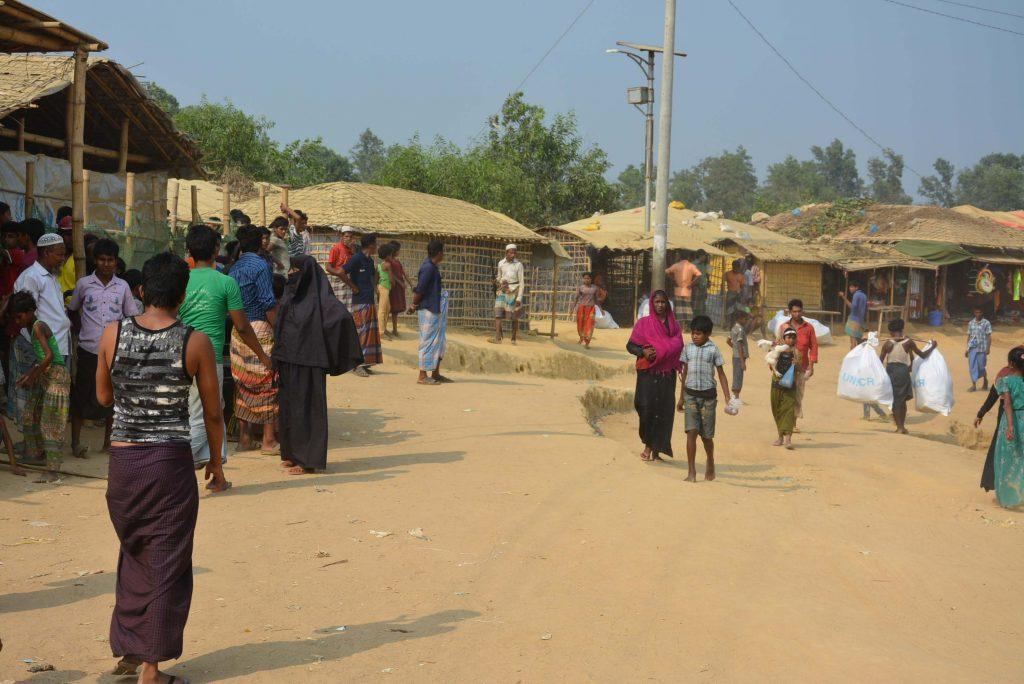
Myanmar Says It Has Verified Fewer Than 400 Rohingya For Repatriation
“Myanmar has only been able to verify 374 Rohingya Muslim refugees for possible repatriation from Bangladesh” Written By: Thu Thu Aung and Shoon Naing (Image: Reuters/Andrew RC Marshall) Article from Reuters Myanmar has only been able to verify 374 Rohingya Muslim refugees for possible repatriation from Bangladesh, officials said on Wednesday, blaming their neighbor for not providing…

Aung San Suu Kyi Cannot Be Prosecuted In Australia, Christian Porter Says
“Aung San Suu Kyi cannot face prosecution for crimes against humanity while in Australia because she has immunity” Written By: Ben Doherty Article from The Guardian Aung San Suu Kyi cannot face prosecution for crimes against humanity while in Australia because she has immunity, the attorney general Christian Porter has said. The Guardian reported on Saturday morning that five…

Malaysian PM Condemns Inaction Of Aung San Suu Kyi Over Rohingya ‘Suffering’
“Malaysia’s Prime Minister has reproached Myanmar’s State Counsellor Aung San Suu Kyi by criticising her nation’s treatment of Rohingya Muslims” Written By: Stephen Dziedzic (Image: ABC News/Tayrn Southcombe) Article from ABC Malaysia’s Prime Minister has reproached Myanmar’s State Counsellor Aung San Suu Kyi by criticising her nation’s treatment of Rohingya Muslims. Najib Razak made the deliberate intervention…
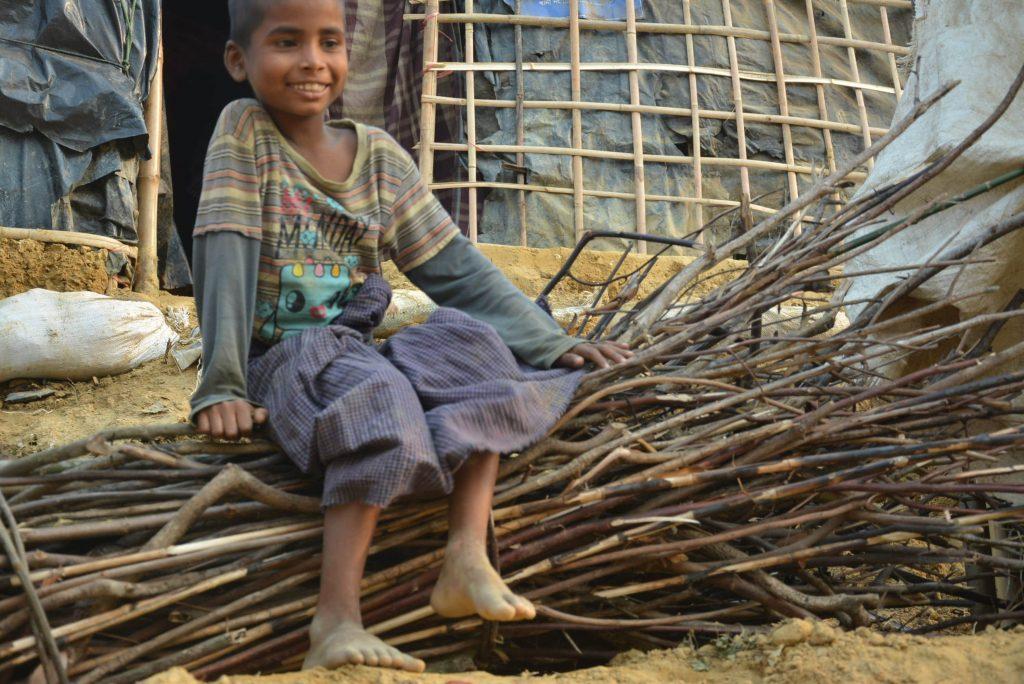
UN Chief ‘Shocked’ By Top Myanmar General’s Comments On Rohingya
The UN Secretary General expressed shock and disapproval over comments made by Burma’s top general Written By: Reuters Staff Photo by: REUTERS/Mohammad Ponir Hossain United Nations Secretary General Antonio Guterres expressed “shock” at comments by Myanmar’s military chief in which he said the Rohingya minority shared nothing in common with the rest of the population and that their demand…
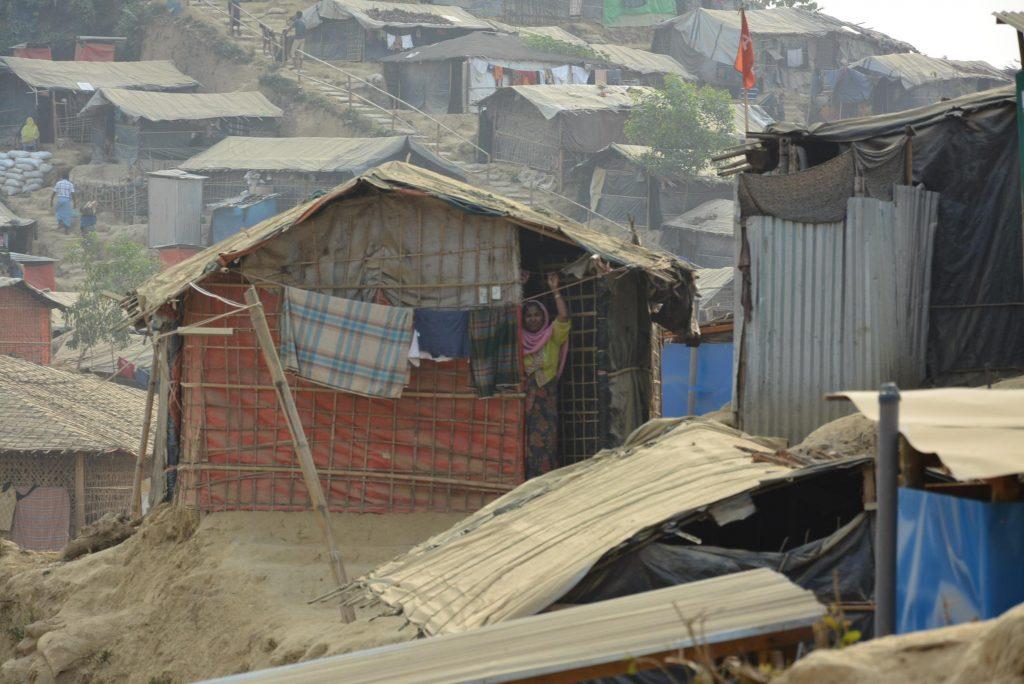
American Interfaith Leaders Laud Bangladesh For Sheltering Rohingya
“They dubbed the Myanmar army’s massacre of Rohingyas genocide and emphasized the importance of setting up a safe zone for them in Rakhine state.” Written By: Nawaz Farhin (Image:Nawaz Farhin/Dhaka Tribune) The ‘Interfaith Coalition to Stop Genocide in Burma’ organized a 14-member delegation to visit Rohingya camps in Cox’s Bazar, Bangladesh on March 26 and 27. According…
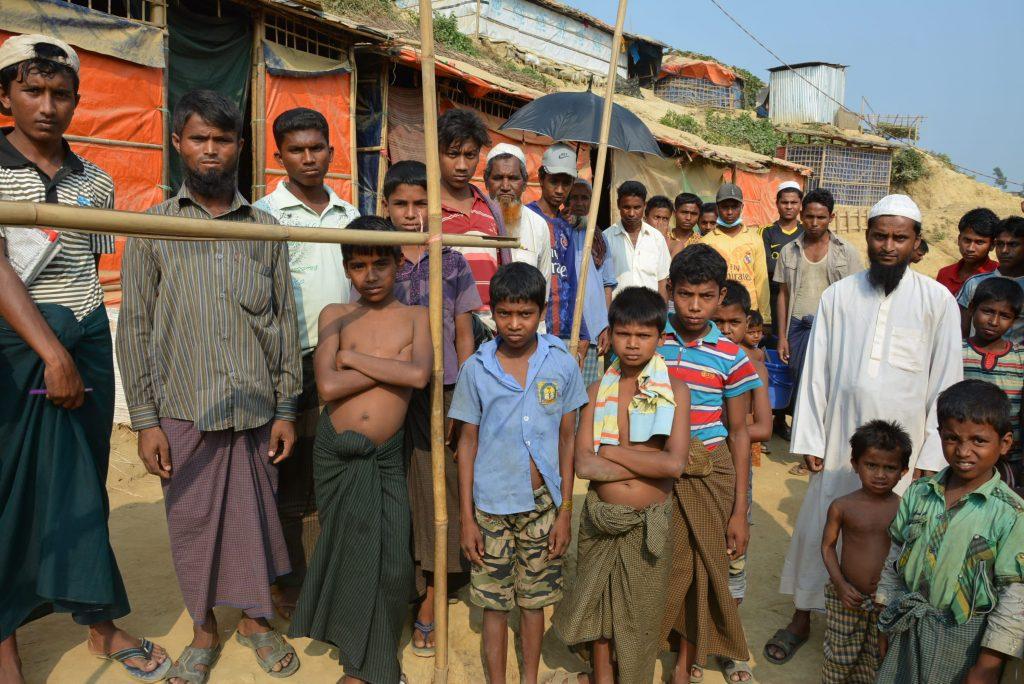
Philippines’ Duterte Cites ‘Genocide’ In Myanmar, Says Will Take Refugees
“Philippine President Rodrigo Duterte said on Thursday (April 5) “genocide” was taking place in Myanmar” Written By: Reuters Staff Photo by:AFP Article from Reuters: MANILA (REUTERS) – Philippine President Rodrigo Duterte said on Thursday (April 5) “genocide” was taking place in Myanmar and he was willing to accept Rohingya Muslim refugees fleeing from it, though Europe should…

Rakhine Parliament Says No To Rohingya Resettlement In Southern Maungdaw
” The Rakhine State Parliament on Friday approved a proposal to urge the union government not to resettle non-citizen Muslim refugees “ Written By: Min Aung Khine Photo by:Min Aung Khine / The Irrawaddy Article from the Irrawaddy: The Rakhine State Parliament on Friday approved a proposal to urge the union government not to resettle non-citizen Muslim refugees…
Mark Zuckerberg Sent An Apology Letter About Myanmar. These NGOs Called It “Grossly Insufficient.”
“one may ask about his company’s role in spreading hate speech in a country that’s been beset by ethnic conflict” Written By: Ryan Mac Photo by:AFP / Getty Images Article by BuzzFeed: A group of six nongovernmental organizations in Myanmar said on Monday that Facebook’s handling of hate speech in their country has been “grossly insufficient,” after receiving a…
War Crimes Prosecutor Seeks Jurisdiction Over Rohingya Deportations
“The prosecutor of the International Criminal Court (ICC) has asked it to rule on whether it has jurisdiction over the deportations of Rohingya people from Myanmar to Bangladesh” Written By: Reuters Staff Photo by:REUTERS/Mohammad Ponir Hossain Reporting by: Toby Sterling Editing by:Kevin Liffey Article from Reuters: AMSTERDAM (Reuters) – The prosecutor of the International Criminal Court (ICC) has…
Ask Mark Zuckerberg About Facebook’s Role In The Rohingya Genocide
“Almost a million Rohingyas have been forced to flee to Bangladesh after facing waves after waves of attacks, often spurred by campaigns on Facebook” Written By: Imam Malik Mujahid Photo by:AP Photo/ Gemunu Amarasinghe Article from Washington Examiner: When lawmakers question Facebook founder Mark Zuckerberg tomorrow, they should ask him about more than just the data leaks…

My Visit To The World’s Largest Refugee Camp — The Incredible Stories I Heard In Bangladesh
Even Fox News has begun to report on Rohingya suffering, thanks to the involvement of interfaith allies Written By: Nicolee Ambrose Photo by:REUTERS/Jorge Silva Op-Ed from Fox News: “Injustice anywhere is a threat to justice everywhere.” This call to action by the Rev. Martin Luther King Jr. rang true when I was visiting the largest refugee camp…

Photography Pulitzers Awarded For Coverage Of Charlottesville And Rohingya Refugee Crisis
“The photography staff of Reuters won the Pulitzer Prize for feature photography for its coverage of the Rohingya refugee crisis” Written By: The New York Times Photo by:Damir Sagolj/Reuters Article from New York Times: The photography staff of Reuters won the Pulitzer Prize for feature photography for its coverage of the Rohingya refugee crisis Ivor Prickett, a freelance photographer…
‘Untouchable’ Myanmar Army Under Fire Over Torture And Murder Claims
” in the UN’s annual report detailing acts of violence carried out by armed forces in 2017, the Myanmar military was listed for the first time” Written By: Joshua Carroll Photo: Soe Zeya Tun/Reuters In the UN’s annual report on global military violence in 2017, the Myanmar military has been listed for the first time. The report, presented…

Family Of Whistleblowing Myanmar Cop Evicted After Testimony
“The family of a Myanmar policeman who testified in court that two Reuters reporters had been set up was evicted from their police housing a day after his evidence” Written By: AFP News Photo: Sai Aung Main/Getty Images One day after a Burmese policeman testified in court that two Reuters reporters had been “framed” his family…
Humanitarian Buddhist Project
More than a thousand Buddhist leaders, teachers and practitioners from 45 countries have signed an international appeal to the governing body of all Buddhist monastics in Myanmar. The appeal calls on the monastic leadership to take a strong stand against hate speech and the extreme violence that has been unleashed against the Rohingya. The appeal…
Hundreds Of Rohingya Supporters Stand In Front Of Congress And Demand Sanctions On Burma
(Washington DC August 27, 2018) Hundreds of supporters of Rohingya, Rohingya former refugees, elected officials, interfaith partners gathered on the grounds of the Congress, near the aptly named Peace Circle for the Save Rohingya Day Rally, on August 25, 2018. This rally was a call by the Rohingya in the diaspora and the refugee camps in…
Canada Calls It A Genocide
Written By: Globe & Mail More than 100 legal experts, civil society organizations and human-rights advocates are urging Prime Minister Justin Trudeau and his government to declare the violent campaign against Rohingya Muslims in Myanmar genocide. In a letter to Mr. Trudeau on Monday, the signatories called on the Liberal government to “live up to Canada’s…
42 NGOs Warn That Return Of Refugees To Myanmar Now Would Be Dangerous And Premature.
Humanitarian and civil society agencies working in Rakhine State in Myanmar and in the Rohingya refugee camps in Bangladesh are deeply concerned that the repatriation of refugees will commence in mid-November, according to an announcement of the Joint Working Group of the Governments of Bangladesh and Myanmar on 30th October. The Governments of Myanmar and…
Facebook Admits It Was Used To Incite Violence In Myanmar
Submitted by Aqsa Tahir on November 09, 2018 Facebook has long promoted itself as a tool for bringing people together to make the world a better place. Now the social media giant has acknowledged that in Myanmar it did the opposite, and human rights groups say it has a lot of work to do to fix that.…
Ask Congress For Full Sanctions Of Burma
The US House overwhelmingly passed H.Resolution 90 condemning Burma. This sets the stage for the final push to pass two companion bills: Senate Bill 2060: Bill To Promote Democracy and Human Rights in Burma and House Resolution 4223: Burma Act of 2017. Here is what you can do Call your Senator and Representative. Simply…
No Reason To Hide Our Faces: The Stories Of Rohingya Survivors
Al-salamu ‘Alaikum, Our world has become a painful place for Rohingya women. Rohingya rape victims often suffer in silence and isolation, as their pain is very personal. It is the worst trauma possible, with lifelong consequences. And the Burmese military knows it. So they take scores of Hijabis to a village Masjid and gang rape them, including girls as…

Aye Maung, Genocidal Anti-Rohingya Leader Elected
Aye Maung, a leader of the ANP or Arakan National Party is a virulently anti-Rohingya genocidalist who has been implicated in the 2012 pogroms and riots targeting the Rohingya Muslims. Maung won recent elections that were held on April 1st on an avowedly anti-Rohingya platform: “Most of Aye Maung’s campaign speeches spoke about the history Rakhine State…

Burma Military Chief Min Aung Hlaing Rules Out Rohingya Citizenship
Myanmar’s military chief on Monday denounced the claim to citizenship by Rohingya Muslims and defended the government’s crackdown on them. “We have already let the world know that we don’t have Rohingya in our country,” army chief Min Aung Hlaing said in a speech marking Myanmar’s Armed Forces Day. “Bengalis in Rakhine state are not Myanmar citizens…
Wirathu Banned From Speaking For One Year By Top Buddhist Org.
A Myanmar monk infamous for his bilious anti-Muslim tirades has been banned from giving sermons for a year by the country’s top Buddhist body, an unprecedented slapdown on a man whose hate speech has galvanised religious tensions. Wirathu, a monk once dubbed the “face of Buddhist terror”, has led calls for restrictions on Myanmar’s Muslim…

UN High Rep. Calls For Inquiry But EU, UK, Australia Won’t Back It
The United Nations’ Special Rapporteur to Burma, Yanghee Lee, has told the UN Rights Council, that the evidence “indicates the government may be trying to expel the Rohingya population from the country altogether.” Lee’s call for a Commission of Inquiry has been hindred by the non-support of the EU, UK and Australia.: The council could set…
The Permanent Peoples’ Tribunal Hearings On Myanmar Crimes Against Rohingya And Kachin
The Rome-based International Permanent Peoples’ Tribunal (PPT), will hold hearings in London on March 6-8 at Queen Mary University (LIVE Feed) where evidence will be presented, and expert testimony heard on crimes committed by the Myanmar (Burma) state against persecuted Rohingya and Kachin minorities. The Tribunal was formed in 1979 as a continuation of the earlier Russell Tribunal…
UNSR, Yanghee Lee: “[W]Hat I Heard During My Visit To Bangladesh Was Worse Than I Had Anticipated.”
The United Nation Special Rapporteur, Yanghee Lee, has just wrapped up her investigative tour to Cox’s Bazaar in Bangladesh where she and her team interviewed recently displaced Rohingya fleeing Burma-Myanmar’s “Clearance Operation.” DHAKA — Rohingya refugees who fled violence in Myanmar have told how government forces gang-raped women, slit people’s throats and threw children into burning…
Four Corners: Journey Into Hell
A documentary by ABC (Australian Broadcasting Corporation) “investigates the network that has trafficked tens of thousands of Rohingya refugees from Myanmar into Thailand, through eye-witness accounts as well as video and audio recordings. Reporter Mark Davis travelled undercover into Myanmar to find out. It’s a story the government there does not want told. More than 100,000…
Campaign To End Rape In Burma
#Riseagainstrape INTRODUCTION “Rape is used in my country as a weapon of war. It is used as a weapon by armed forces to intimidate the ethnic nationalities and to divide our country.” (Aung San Suu Kyi, speaking at a conference of the Nobel Women’s Initiative in 2011) In Burma, rape is used with total impunity by…
Permanent Peoples’ Tribunal On Burma’s Crimes Against Humanity
Tribunal Indictment Final Judgement Live Stream Judges Volunteer Donate The 2nd Tribunal Session: September 18-22, 2017 – University Of Malaya-KL At the opening proceedings of the PPT in Malaysia, the prosecutors’ presented the final indictment that charges Myanmar’s military and political leaders with war crimes, and crimes against humanity against the Rohingya, Kachin, and Karen people.…
Khutba Points For Rohingya Muslims
Describe the situation • In the last couple of weeks 125,000 Rohingya Muslims have fled to Bangladesh whereas 400,000 are uprooted within Burma and the UN is prevented from providing them water and food. • Rohingyas are indigenous people of Burma living in their ancestral lands. They were always citizens until 1982 when their citizenship…
Resources For Rallies
Oct. 29: Worldwide Silent Demonstration For Rohingyas As the UN general assembly is reconvened in October, Burma Task Force is calling for a day of worldwide silent demonstrations to protest the genocide of Rohingyas. The demonstrations will be held on Saturday, October 29. On this page you will find the resources necessary to organize or…
Senators & Ambassadors Contact Info
UN Security Council Ambassadors: France Ambassador: Francois Delattre: @FDelattre China Ambassador: Liu Jieyi: +1 (212) 655-6141 Russia Ambassador: Vasily Nebenzya: @RuassiaUN UK Ambassador: Matthew Rycroft: @MatthewRycroft1 US Ambassador: Nikki Haley: @nikkihaley Bolivia Ambassador: Sacha Llorenty: @SachaLlorenti Egypt Ambassador: Amr Abdellatif Aboulatta: +1 (212) 5030300 | +1 (212) 5030338 Ethiopia Ambassador: Tekeda Alemu: @AlemuZtekeda Italy Ambassador:…

Congressional Campaign
OUR CURRENT BILL IS SENATE BILL 1186 (S.1186), THE “BURMA HUMAN RIGHTS AND FREEDOM ACT OF 2019.” THE SENATE BILL WILL: Mandate the U.S. government take steps to end the persecution against the Rohingya, and other ethnic peoples of Burma. Facilitate continued U.S. humanitarian assistance to the affected people. Implement targeted sanctions against Burmese military officials…
Genocide
Using the word Genocide is important. Politicians and world leaders are careful saying it, preferring to use ‘ethnic cleansing’ instead. Why? Because it is a legally specific and a politically charged word that requires action by the U.N. Once you say ‘Genocide’, it’s an accusation of human rights violations and the world community is responsible for…
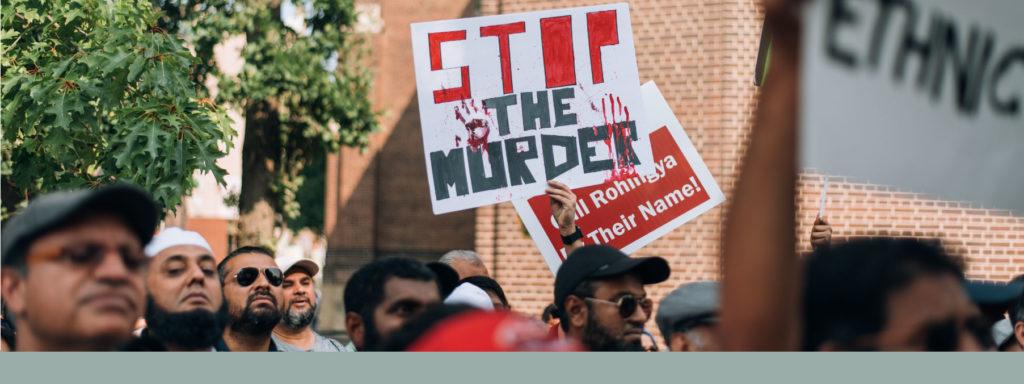
FAQ
Frequently Asked QuestionsHow can one justify that Myanmar/Burma is, in fact, the Rohingya people’s ancestral land? All history books across the board agree that there were several dynasties in Arakan areas which for centuries extended on both sides of the Naf river. Today this area is marked by the coastal regions around the Burmese and Bangladesh border. At the…
List Of Embassies And Ambassadors
A list of embassies and ambassadors you should reach out to: Brunei DarussalamDato Paduka Haji Serbini bin Haji Ali(202) 237-1838info@bruneiembassy.org3520 International Court, NW, Washington DC 20008 CambodiaH.E. Ambassador Mr. Chum, Sounry(202) 726-7742camemb.usa@mfa.gov.kh4530 16th Street, NW, Washington DC 20011 The Embassy of the Republic of IndonesiaBudi Bowoleksono(202) 775-52002020 Massachusetts Avenue, NW, Washington DC 20036@KBRIWashDC The Embassy…
Who Are The Rohingya?
Ancestral Roots Present-day Rakhine state (also known as Arakan), is the ancient, ancestral homeland of the Rohingya. The Rohingya are a distinct ethnicity, predominantly Muslim, with their own language. The Rohingya trace back their presence in Rakhine state, on the Burma-Bangladesh borders, as far back as the 8th century. Evidence for the long, historical and…
Resources For Activism
This is the chance for you to start your own activism. We have gathered a few resources on this page to help you organize events and actions towards ending the genocide taking place in Burma against the Rohingya people. Here you can find sample letters, presentations, templates, and other helpful distributional material for your local…
A Two Month Campaign Guide: Feb-March 2018
Stop Rohingya Genocide A Two Month Campaign Guide: Feb-March 2018 Goals of the Campaign: Passage of Senate Bill S 2060 and House Res. 4223 to impose sanctions on almost all leaders of Burmese military and facilitate a path to determine it as a genocide Demanding no repatriation of Rohingyas without security and citizenship.

7 Ways To Check If Your Candidate Is Rohingya-Friendly
As a constituent whose voice makes a difference, ask your candidates to move beyond their normal talking points and start conversations about issues that matter to you, like the Rohingya Genocide. Your United States Senators and Members of the United States House of Representatives (Members of Congress -MoCs) elected in November will be making policy…
Protestors Hope To Draw Attention To Genocide
Published Oct. 4, 2012 in Advisor & Source NewspapersBy Sean Delaney Calling for greater media coverage of atrocities being committed against Rohingya Muslims in Burma (Myanmar), a group of about a dozen protesters marched Sept. 28 with signs held high outside the Detroit News/Detroit Free Press facility on 16 Mile and Mound roads in Sterling…

U.N. Still Trying To Figure Out If Mass Graves Filled With Rohingya Bodies Constitute A Genocide
(A MAN TAKES PHOTOS WITH A MOBILE PHONE OF THE DEAD BODIES IN YEBAWKYA VILLAGE, MAUNGDAW ON SEPTEMBER 27, 2017. MYANMAR’S ARMY SAID ON SEPTEMBER 24, 2017 IT HAD DISCOVERED A MASS GRAVE CONTAINING THE BODIES OF 28 HINDUS, INCLUDING WOMEN AND CHILDREN, IN VIOLENCE-WRACKED RAKHINE STATE, BLAMING THE KILLINGS ON MUSLIM ROHINGYA INSURGENTS. CREDIT:…

US Says ‘Deeply Troubled’ By Reports Of Myanmar Mass Graves
(A reception point for Rohingya refugees at Haria Khali Primary School in Sabrang Union of Teknaf Upazila, in Bangladesh.) Article from Clicklancashire.com Lawrence Kim In her briefing, Lee described her visit to refugee camps in neighboring Bangladesh and various other areas, where almost 700,000 Rohingya have fled to escape the Myanmar military’s operations against them. UN Special Rapporteur Yanghee Lee held a…

Adem Carroll Interview On WCRN’s “The Perspective” With Asima Silva
Burma Task Force USA’s UN Programs Director, Adem Carroll was interviewed by Asima Silva, host of WCRN’s radio program “The Perspective” on World Refugee Day. Adem, spoke on the history of Burma and how the Rohingya fit into the region and the nation’s history. Adem, also touched on Buddhist nationalism and how it contributes to…

‘The Rohingya Aylan Kurdi’: Will The World Take Notice Now?
(CNN)Face down in the mud, a baby boy lies still after washing up on a river bank. His name is Mohammed Shohayet, a 16-month-old Rohingya refugee whose family fled their home for Bangladesh to escape the violence in Myanmar’s Rakhine State, only to drown during the journey along with his mother, uncle and three-year-old brother.…

Suu Kyi Commission Concludes Rohingya Rape Testimonies “Fabricated” By “Terrorists”
We live in an age when reality and truth are blatantly subverted and most do not care, since truth in their eyes is subordinate to their interests. In Burma, when it comes to ethnic minorities, both the military and Suu Kyi’s civilian administration continues policies of persecution and oppression. For more than two months the…

Rohingya: Persecuted In Myanmar, Neglected In Bangladesh
In the past two months, the government has repeatedly insisted that their security operations are aimed at apprehending “violent attackers” and are being conducted “in accordance with the law”. However, the evidence presented in this report suggests that security forces in their response to the 9 October attacks, have perpetrated widespread and systematic human rights…

New Satellite Imagery Exposes Scale Of Destruction Of Rohingya Villages
According to Human Rights Watch, over 1,500 Rohingya (likely more) homes have been detroyed since the Burmese military undertook its so-called “clearance” operations against militants. The Burmese military is collectively punishing the entire Rohingya population for attacks on the border posts it claims were carried out by a new militant organization. This operation is dangerous…

Bertil Lintner Makes Facts Up About Rohingya While Playing To Popular And Policy-Islamophobia
Written By: Maung Zarni Reproduced with consent of author. The Irrawaddy is a disputable anti-Rohingya racist platform run by a group of anti-Rohingya Burmese, which published this racist cartoon. Why would a well-respected Swedish journalist based in Chiang Mai, Thailand for over several decades make facts-up on the Rohingya and the Burmese politics surrounding the Rohingyas while choosing…
BBC Slips Burmese Military Talking Point Into Its Coverage
The BBC, especially reporter Jonah Fisher have done great work covering the persecution of the stateless Rohingya. However, a recent BBC news report gives credence to a faulty and dangerous Burmese military talking point when it states “in the past the Rohingya have exaggerated alleged atrocities.” Which Rohingya have done this? It is a fact that there…
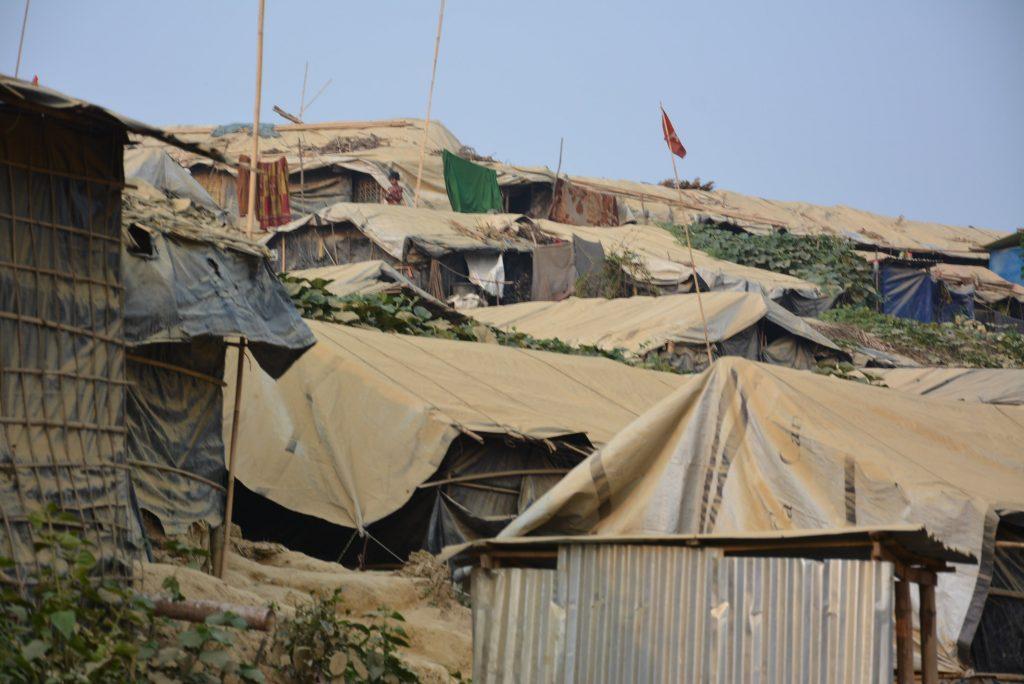
ALJAZEERA: Myanmar Accused Of New Destruction Of Rohingya Villages
High-definition satellite images show 820 newly identified structures destroyed in five Rohingya Muslim villages in the Myanmar’s troubled Rakhine state this month where the military is carrying out counter-insurgency operations, according to Human Rights Watch (HRW). In a statement released on Monday, the US-based group urged the government to invite the United Nations to assist…
Rohingya Are Being Killed By Burmese Forces: 24 Dead So Far
The situation in Rakhine state is dire and urgent action is required to stem the worst state-led violence the Rohingya have faced since 2012. The facts: i. 24 people were killed on Monday ii. In Maungdaw 7 villagers were shot and killed by military forces. iii. A curfew has been placed in the area where…
Emergency Rohingya Town Hall – May 23, 2015
Please join us for a town hall conversation regarding the emergency situation of Rohingyas. This call will take place on May 23, 2015 at 10:00 AM Central time and will be led by Imam Abdul Malik Mujahid. Official registration is closed, but you may still join the Town Hall by calling (855) 756-7520 (ext. 28789)…

Myanmar’s President Signs Controversial Bills Into Law
Myanmar’s President Thein Sein recently signed into law four bills, proposed by radical Buddhists, that are considered by many human rights groups to be anti-Muslim. According to an article on Yahoo News, “President Thein Sein signed the Monogamy Bill after it was passed by parliament on August 21, Zaw Htay, a senior official…
Myanmar Backsliding Opens US Diplomatic Strategy To Doubts
Even after negotiations with US diplomats, Myanmar’s President Thein Sein still signed into law a bill that calls for controlling the population of ethnic minorities. According to an article in the Manila Times, “Myanmar’s leaders have repeatedly rebuffed US appeals this year despite a public commitment to reform that led the White House…
Myanmar Election Body Rejects Muslim Parliamentary Candidates
According to an article in Radio Free Asia, 17 out of 18 members of the Democracy and Human Rights Party, an Islamic party, were rejected by Myanmar’s Union Election Commission. This could cause the party to disband, since law requires that at least three candidates be sent forth from a party. The party…
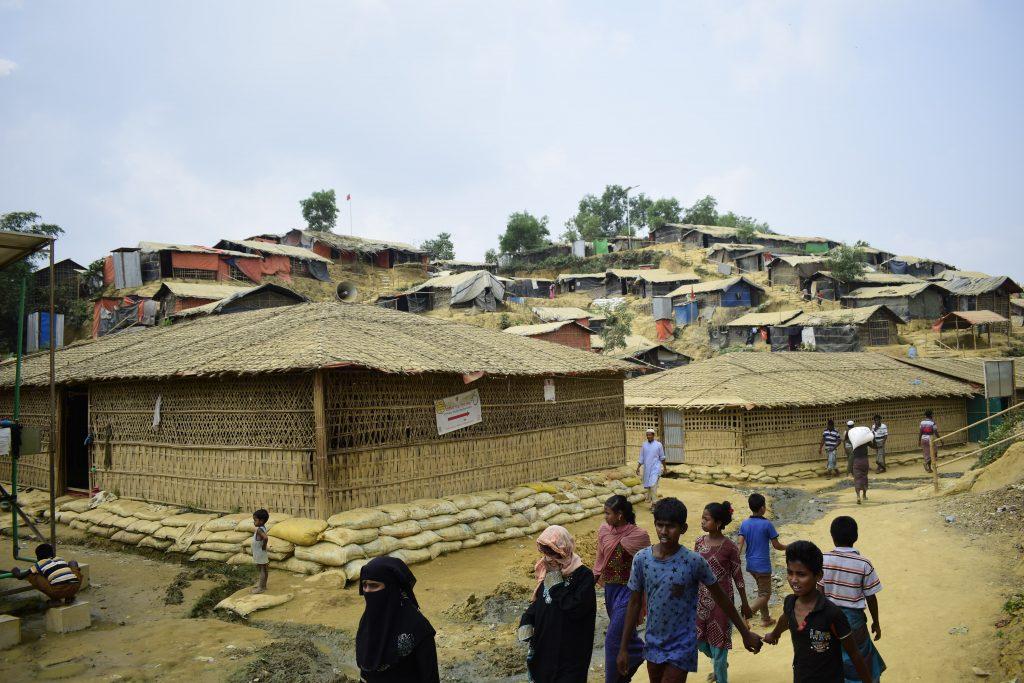
Refugees Starting New Life In The US Heartland
Saeedah Abubakar, a Rohingya Muslim, left her homeland with her husband, a Buddhist, in order to escape religious persecution, and ended up in Omaha, Nebraska, in the heartland of the United States. According to WOWT News, Abubakar and her children attend Omaha Yates School, “a unique Pre-K program which helps young children and…
Hardline Monks Claim Victory As Muslim Rohingya Face Poll Exclusion
Perhaps the U.S. should rethink it’s self-acclaimed “diplomatic victory” in Myanmar. According to Mizzima, the instigators of the anti-Muslim campaign, radical Buddhist groups, are rejoicing over the fact that discriminating bills have been signed by the president and Rohingya Muslims have been excluded from the polls. U Wirathu, the main…

Aung San Suu Kyi’s Party Excludes Muslim Candidates
According to BBC, sources within Aung San Suu Kyi’s party, National League for Democracy (NLD), have informed that there are no Muslim candidates among their total of 1,151. Though she is considered a champion of human rights, her strategies now seem to stem out of fear of angering constituents. …
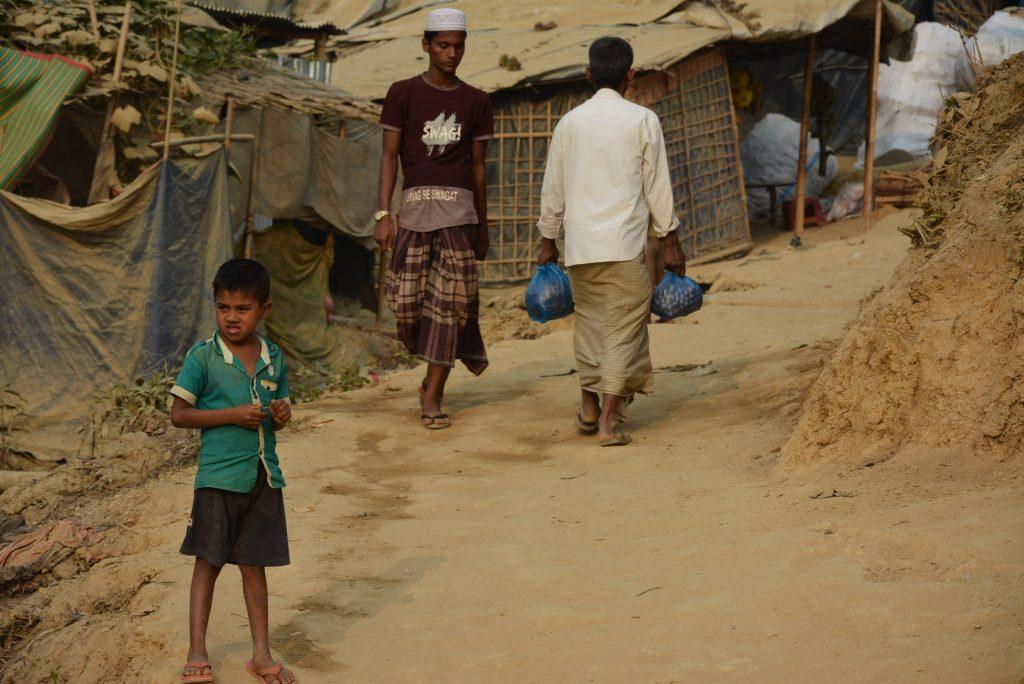
No Rohingya Agenda In Myanmar Polls
In an article written on New Straits Times Online by Ferooze Ali, the author discusses the reasons why Myanmar has close to zero motivation for allowing Rohingya representation in the elections. “First is the population ratio between Buddhists and Muslims. Between 89 percent and 90 percent of the population consist of Bamar Buddhists, while…

Oct 2015 Protest Rally At International Criminal Court
6th Oct 2015 Protest Rally at the ICC (International Criminal Court), The Hague, Netherlands Call for International Solidarity Where: International Criminal court Maanweg 174, 2516 AB Den Haag, Netherlands When: Tuesday 6 October 2015 Time: 1:00 to 3:00 pm The 6th Oct protest is aimed at raising awareness within EU countries and…
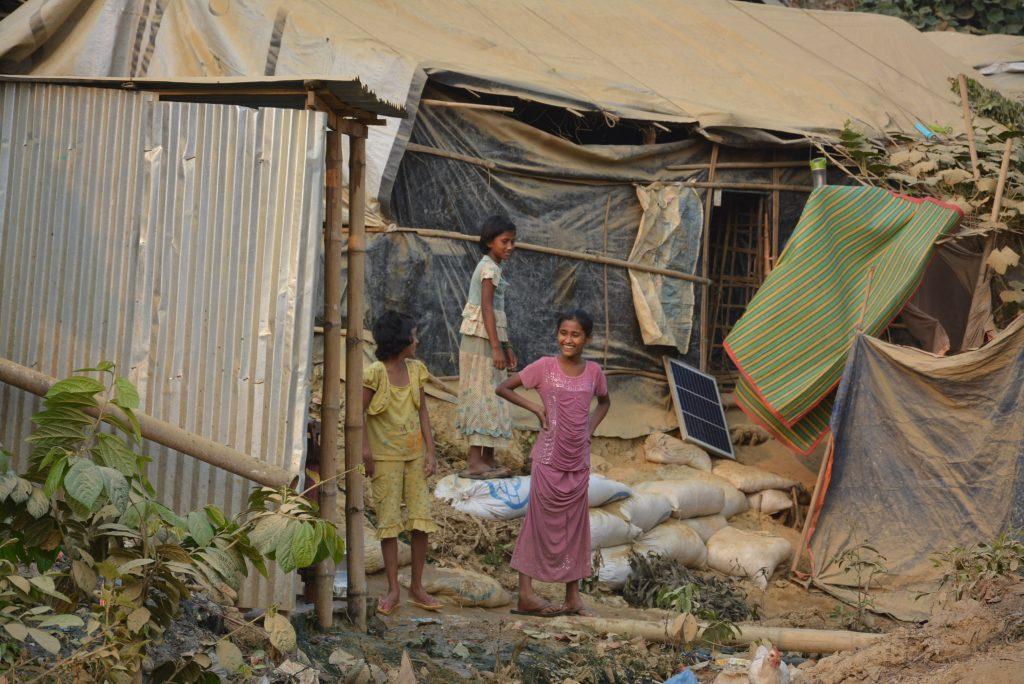
Save The Date: August 19 Is “World Rohingya Day!”
*Download PDF file below for instructions on how to participate on World Rohingya Day* Life is continuing to worsen for the Rohingya Muslims in Burma. At the same time, international news media outlets only pay attention to their suffering when sensational events such as killings or violence breaks out against the Rohingya. Aung San Suu Kyi, officially…

URGENT: On Sept. 16, Rally For Rohingya Muslims
Al-salamu ‘alaikum, The U.N. refugee agency says that 123,000 Rohingya refugees have fled to Bangladesh in the last 10 days after the latest Burmese military attacks against the Rohingya. There are another 400,000 Rohingya Muslims estimated to be trapped in forests and mountains as the military continues its attacks from the ground and the air.…
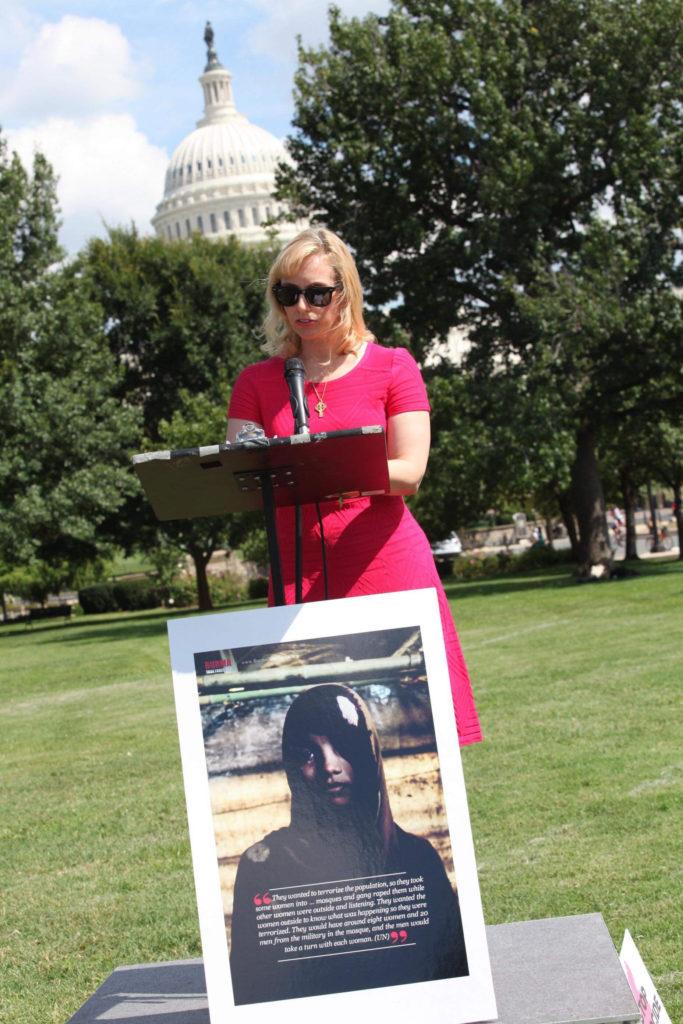
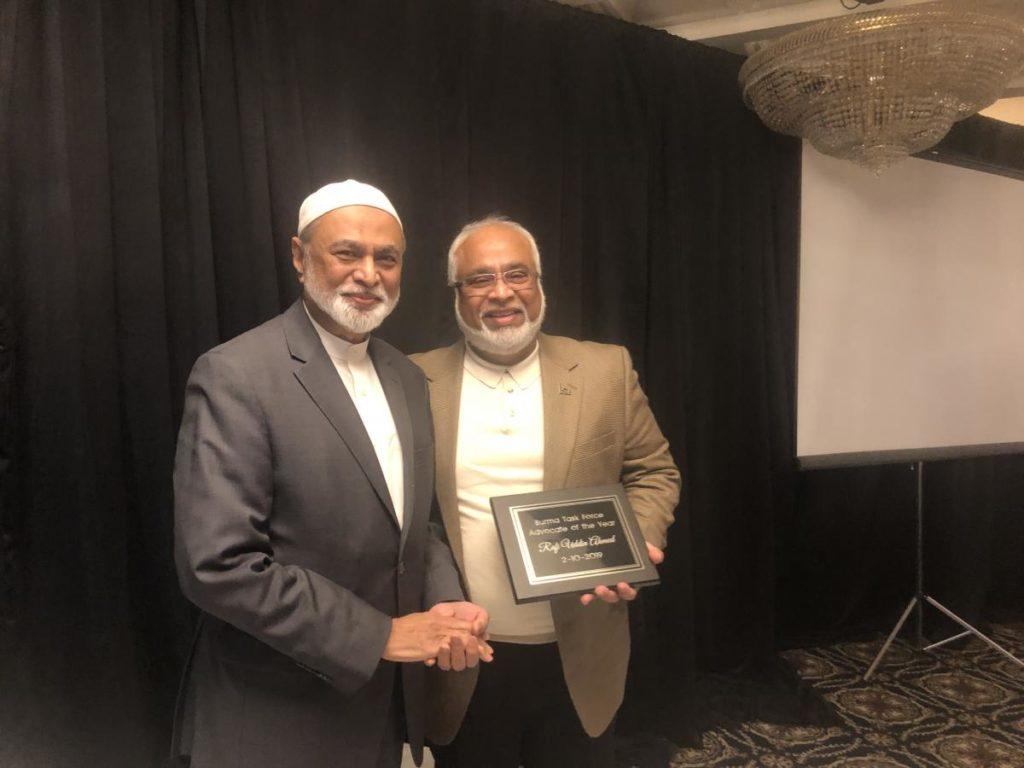
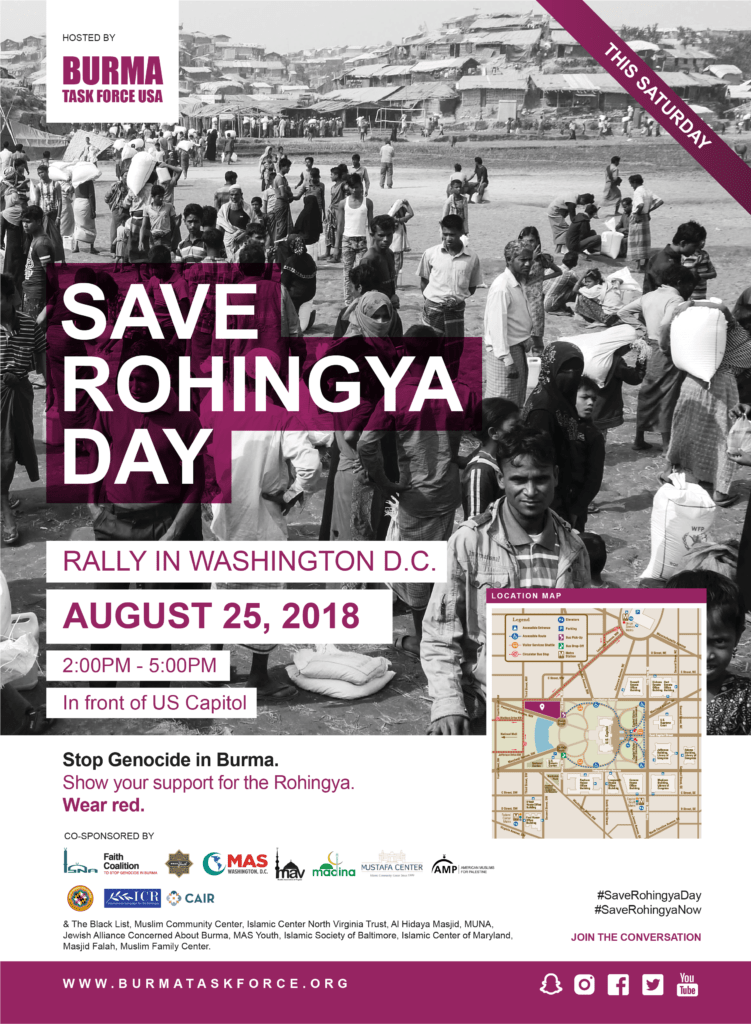
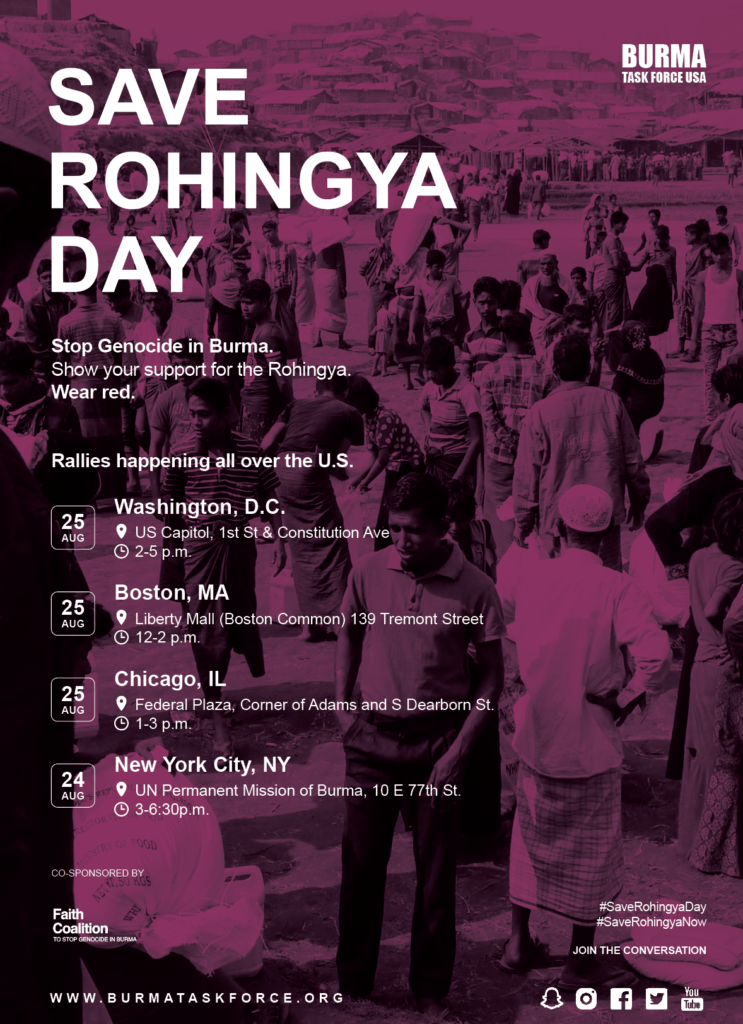

Canada: Andrew Day’s Photo Exhibit “Testimony”
Freelance photojournalist Andrew Day’s photo exhibit, “Testimony” sponsored by the Burma Task Force ran from May 8-14 in Toronto, Canada. The opening reception of the event was a success. Ahmed Ramadan, Outreach Coordinator for Burma Task Force-Canada also spoke at the reception about the work that BTF is doing to end the genocide against the…

Sept. 16 At Federal Plaza: Chicago Rally To Save Rohingya
As the UN general assembly is reconvened in mid-September, Burma Task Force is calling for a day of worldwide silent demonstrations to protest the genocide of Rohingyas. The demonstrations will be held on Saturday, September 16. CHICAGO RALLY TO SAVE ROHINGYA Where: FEDERAL PLAZA: 230 South Dearborn Street. Chicago, IL. 60604When: Saturday, September 16. 2pm-4pm (CST) Burma…
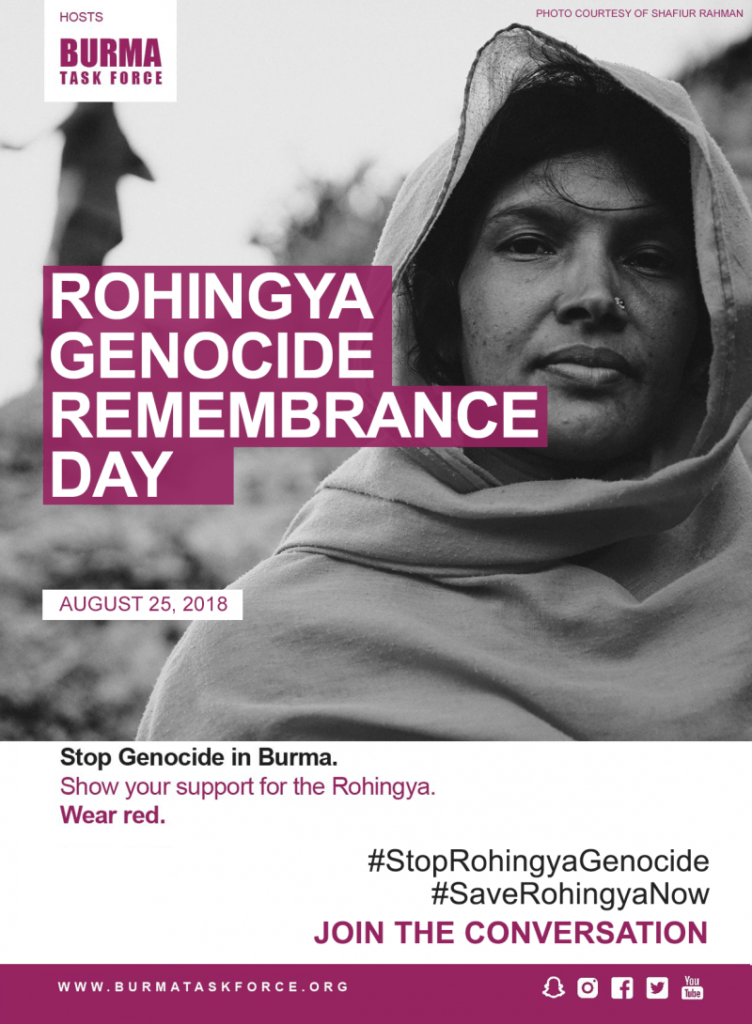
Rohingya Genocide Remembrance Day
World Save Rohingya Day – August 25th Brothers and sisters, we are approaching the 1-year anniversary of the massive, brutal attack on Rohingya Muslims in Rakhine that caused hundreds of thousands to flee for their lives into the refugee camps of Bangladesh. Burma Task Force is organizing a national day of action for the Rohingya, in both…

Burma Task Force: New York Rally For The Rohingya
As the Burmese military “clearance operation” continues to collectively punish the Rohingya through its: mass arrests, murders, rapes, illegal detention and the denial of food aid to thousands, many around the world are raising their voice against the oppressive Burmese regime and the silence of civilian leader Suu Kyi. In New York this past week,…
D.C. Vigil And Ministerial Conference On Religious Freedom
D.C. Vigil and Ministerial Conference on Religious Freedom As you know, religious freedoms of Muslims and other minorities are constantly under attack around the world. However, in Burma, Rohingya Muslims and Kachin Christians both together have lost at least 1,000 Masjids and Churches. Both have lost 300-plus each villages as well. 40 Foreign Ministers and…
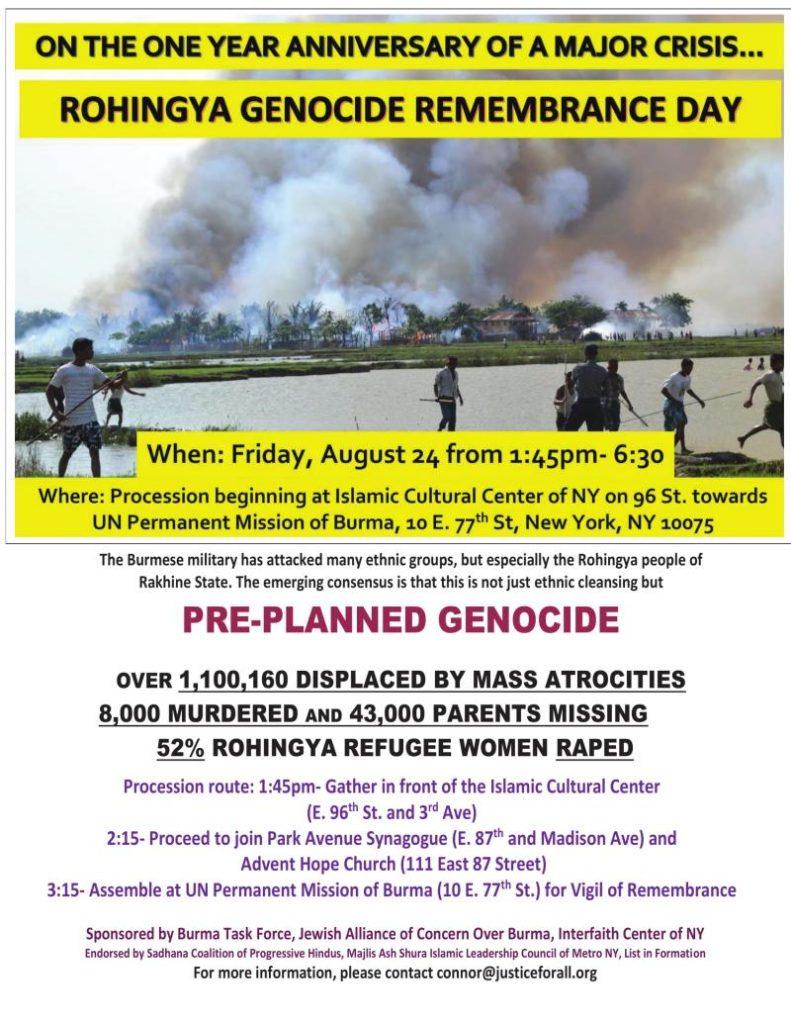
Rohingya Rallies
One year ago, 12,000 Burmese soldiers descended on Rohingya neighborhoods in Burma. What followed was a brutal wave of state-sponsored terror, explicitly aimed at driving the Rohingya out of the country. To briefly recap the events of August, 2017: the Burmese army carved a vicious, bloody path of murder and sexual assault through Rakhine State,…

Flyer Template For Worldwide Protests
Sept. 16: Worldwide Silent Demonstration For Rohingyas As the UN general assembly is reconvened in mid-September, Burma Task Force is calling for a day of worldwide silent demonstrations to protest the genocide of Rohingyas. The demonstrations will be held on Saturday, September 16. On this page you will find the resources needed to organize or…

Call-A-Thon
Call 202-224-3121 or find your local representative at whoismyrepresentative.com Feb 1 – Feb 28 Contact your Senator here and ask them to support Senate Resolution 2060. Contact your Representative here and ask them to support House Resolution 4223. Talking Points The Rohingya are an indigenous people who are being killed and forced out of their ancestral lands in huge numbers…

Be A Part Of The Burma Peoples’ Tribunal: Sept, 18-22
The 2nd Tribunal Session: September 18-22, 2017 – University Of Malaya-KL The concluding session of the Permanent Peoples’ Tribunal (PPT) will be held at the University of Malaya Law Faculty Moot Court in Kuala Lumpur, Malaysia from September 18-22. It will pick up where the inaugural March session ended. The indictment from the London sessions will be buttressed by further…
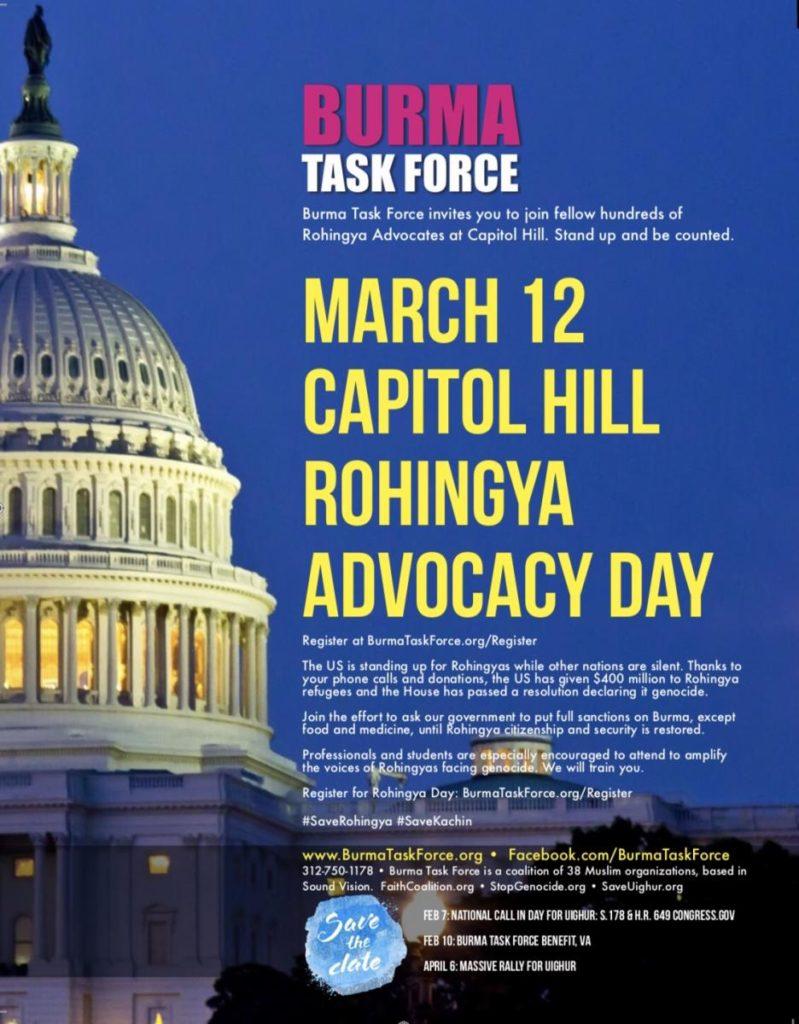
Register For Rohingya Advocacy Day
Register for Advocacy Day Click Here To Register Today WHAT: Rohingya Advocacy Day 2019 WHERE: Capitol Hill. Washington D.C. WHEN: March 12, 2019 at 9:00 AM CLICK HERE TO REGISTER TODAY The second annual Rohingya Advocacy Day is on March 12, 2019 in Washington DC. Last year we held over 60 meetings with elected officials.…

UN Panel
BTF assisted United Nation’s Panel with speakers Arun Jain, UNHCR, Moderator Eva Richter, NGO Committee on Migration, Myra Dahgaypaw, US Campaign for Burma, Adem Carroll Burma Task Force Adem Carroll from Burma Task Force took part in a United Nation’s Panel where he exposed the complexities of the Rohingya genocide taking place in Burma so…
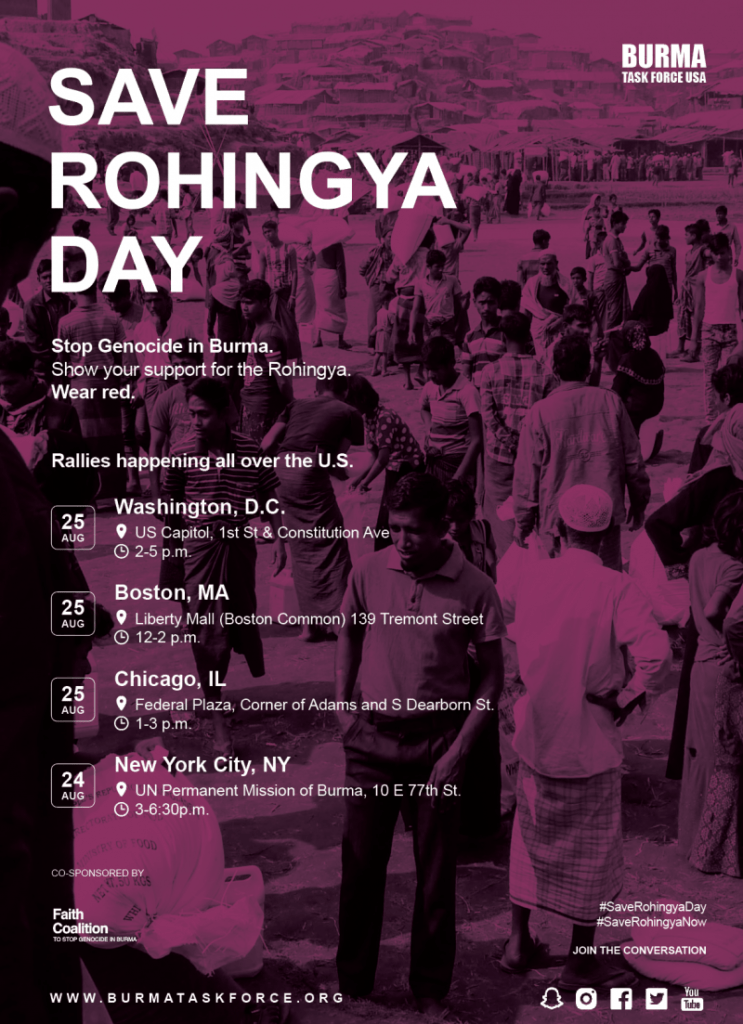
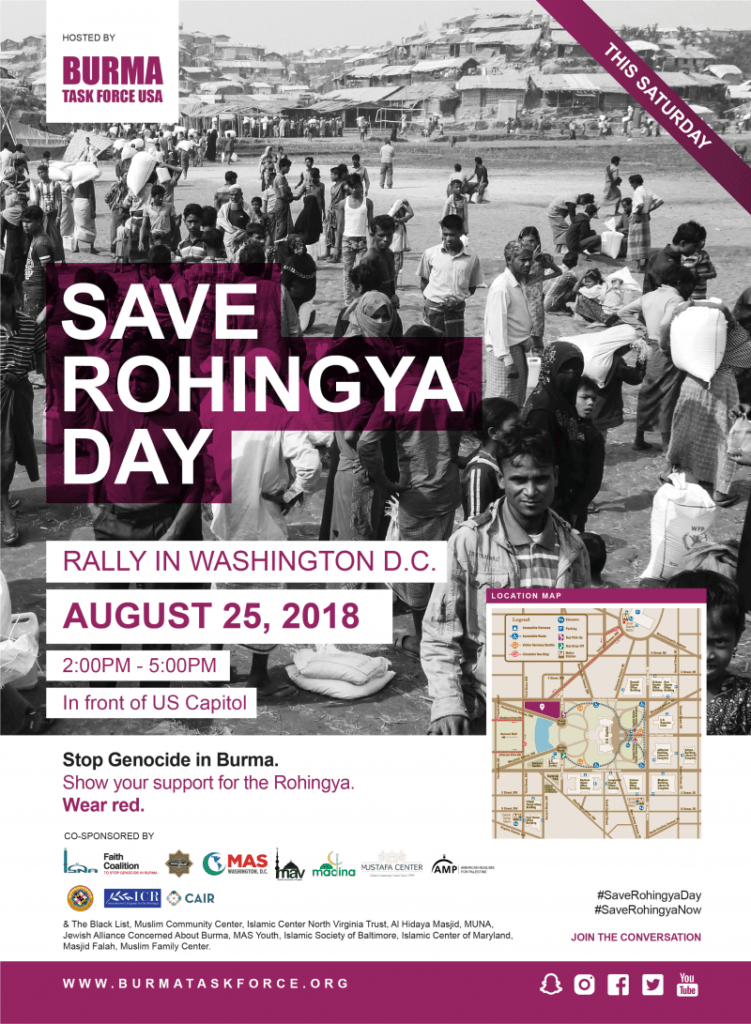

Host A Callathon
friends and family over for tea or coffee during the daytime (when Embassies and UN Missions are open) and go through the lists of UN Missions and embassies and State Department numbers together. Host a Callathon in your place of worship. Please ask permission (Jummah is a good time for masajid). You will need a flyer and for them to…

Tickets For Burma Task Force Benefit Dinner
Purchase your tickets here 1+ million Rohingya in refugee camps. 52.3 % of women raped. Thousands of orphans. Waiting for aid and justice. Hundreds of thousands in concentration camps in Burma. Help stop the genocide. Join us December 2, 2018 in support of the Rohingya. Featuring Imam Suhaib Webb, Imam Abdul Malik Mujahid Since 2012, Burma Task Force…

Coming Up: Burma Task Force Action & Events
Burma Task Force USA Chair Abdul Malik Mujahid will speak on the current reality and plight of the Rohingya in Burma-Myanmar. The event is being held by Amnesty International in conjunction with BTF at St. Louis University: Tuesday, April 4, 2017. 6pm-7pm. BSC Wool Ballrooms 171/172 Burma Task Force Canada will also be updating the Canadian Subcommittee…

Register For Capitol Hill Advocacy Day
Click Here to Register Today WHAT: Capitol Hill Advocacy Day 2019 WHERE: Capitol Hill. Washington D.C. WHEN: June 18-19, 2019 at 9:00 AM Click Here to Register Today Capitol Hill Advocacy Day is on June 19, 2019 in Washington DC. Uighur Advocacy We are going to the Hill to advocate for Uyghurs and other minorities…
World Rohingya Day August 19th & 3 Month Action
World Rohingya Day August 19th; 3 Month Action Plan
BTF Speaking Out Against The Persecution Of Rohingya
BTF is consistently speaking out and advocating for an end to the genocide against the Rohingya. Recently, Malik Mujahid presented expert evidence of war crimes committed by the Burmese government against Rohingya at the Peoples’ Tribunal. Mujahid, also spoke to a packed house at the University of Colorado-Boulder Asia series on why the Rohingya are…
BTF Rallies For Rohingya
Burma Task Force’s Jennifer Sawicz, addresses the crowd at a Rohingya Rally in Chicago, IL on Nov 11th 2016.

Chicago #Rohingya Rally: Justice Now!
On Sunday, October 30, over one hundred demonstrators gathered in the West Rogers Park neighborhood on Chicago’s northside to rally for #Rohingya rights, and against the on-going military operation that has targeted their communities in their ancient homeland of Burma. After two-weeks of almost a complete media blackout news reports for the past week have…
World Rohingya Day Global Rallies
On August 19, 2016, rallies were held across the globe to show support and bring awareness to the plight of the Rohingya, an oppressed muslim minority indigenous to Burma’s Rahkine State.
Rohingya Panel Discussion At University Of Toronto Mississauga (UTM)
Mark your calendars: on March 27, Burma Task Force Canada representatives, Ahmed Ramadan and Taha Ghayyur will be discussing the Rohingya crisis on a panel with RAC founder Anwar Arakani, Mississauga MP Iqra Khalid, and Chaplain Amjad Tarsin. This is an important event that needs your support. If you are in the Toronto area please join!

Join BTF At ISNA Convention 2016: Booth #410
BTF will be present at the largest Muslim American Convention in North America, ISNA 2016. We will be located near the West entrance at Booth #410 in the Bazaar. From September 2-5, BTF will be raising awareness and interacting with ISNA convention-goers to highlight the persecution faced by the Rohingya. This is a unique opportunity…

“1,2,3,4. Genocide Has Got To Go!” – 1st World Rohingya Day Celebrated
On Friday, 19 August 2016, the first World Rohingya Day demonstrations took place around the world. Thanks to all who organized, participated, and publicized these rallies. Rallies and demonstrations took place in London, UK; Washington DC, Toronto, Canada, New York, Chicago; Stockholm, Sweden; Boston; Los Angeles; and many other places. The speakers demanded end to the ongoing…

Stop Genocide- Virginia Presentation And Benefit Dinner
Buy Tickets here https://www.burmataskforce.org/civicrm/event/info?reset=1&id=4 For Sponsorship opportunities contact Anika Rahman at anika@justiceforall.org
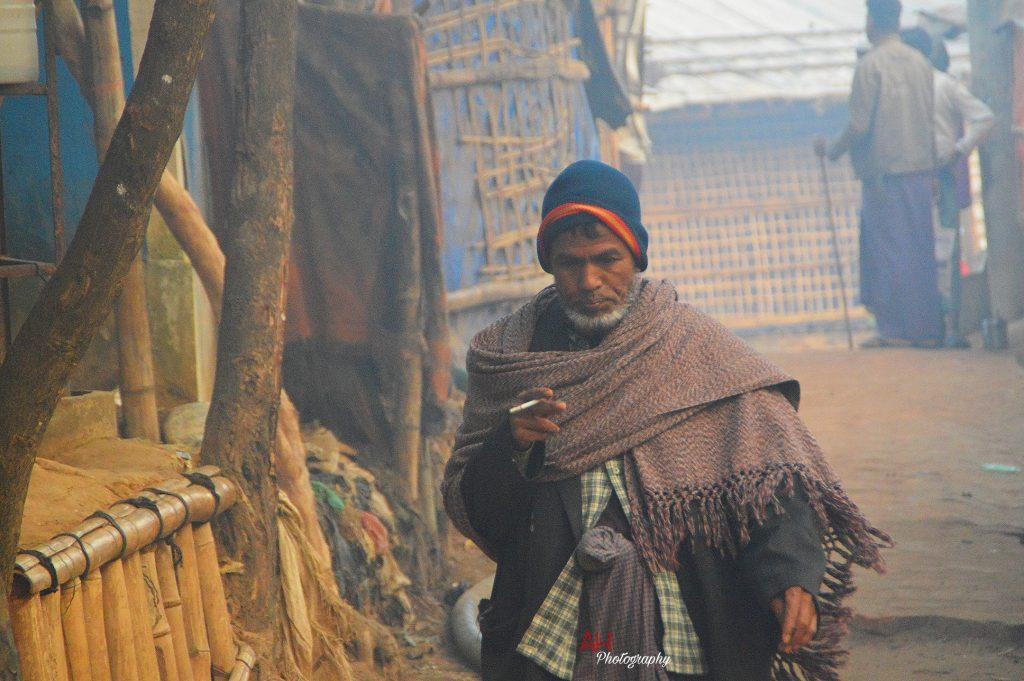
Rohingya Given Two Bleak Choices: Reclassification Or Jail
Most of Myanmar’s 1.1 million Rohingyas already live in apartheid-like conditions in western Rakhine, where deadly clashes with ethnic Rakhine Buddhists in 2012 displaced 140,000 people, mostly Rohingyas. Now they are offering them a bleak choice: accept reclassification and prospect citizenship or be detained.
British Reporter Provides Firsthand Account Of Destruction In Meiktila
A British Muslim reporter who traveled to Meiktila talked to people involved in the violence against Muslims in the central Burmese town. One sister said she was forced to prostrate to monks after they burned her husband alive. “They beat them in front of me. I was watching. I can still see it.” Noor Bi…
Wouldn’t The United Nations Or US Have Done Something If This Was Really Important?
Decades of Rohingya persecution and destruction by Myanmar, a UN member state, are well-documented and well-known to all 5 permanent members of the Security Council. The OIC (Organization of Islamic Cooperation) and its member states including Malaysia and Indonesia have repeatedly expressed grave concerns about the plight of Rohingya. But beyond rhetoric there has not…
If It Was Actually Genocide Then Wouldn’t There Be Scenes Like In Rwanda Or Cambodia’s Killing Fields?
Popular perception of a genocide is about dramatic spikes of mass killings as in Cambodia of Khmer Rouge days (1975-79) or 1994 Rwanda. But a genocide is not simply about media-genic scenes of mass killings. The single most influential – and one and only – universally accepted legal definition of a genocide as spelled out…
What Solid Evidence Is There That The Military And /Or Government Are Involved?
Virtually all human rights reports on the situation of Rohingya, including reports of the UN Human Rights Rapporteurs on Myanmar have noted both direct and indirect involvement of Myanmar’s security forces, which are centrally – not locally from Rakhine state administration based in Sittwe – commanded from the Ministry of Defence in the violence towards…
So This Is Buddhists Against Muslims?
No, absolutely not. Again as explained above, it is in fact Myanmar nationalists acting irrationally towards the manufactured enemy of Buddhist faith and Myanmar race, Muslims of all ethnic backgrounds. Because Rohingya are concentrated in the pockets in Northern Rakhine State, unlike other Muslim communities that are scattered across the country, Rohingya Muslims have become…
What Is Really Happening To Myanmar’s Muslim Rohingya? Why Is It Significant?
A slow burning genocide of 36-years with periodic spikes of violence and killings followed by waves of exoduses of fleeing Refugees to nearby Bangladesh, as well as Thailand, Malaysia, Saudi Arabia, Australia and other Western countries. Myanmar’s genocidal treatment of Rohingya over the past 36 years calls into question the legitimacy, moral authority and effectiveness…
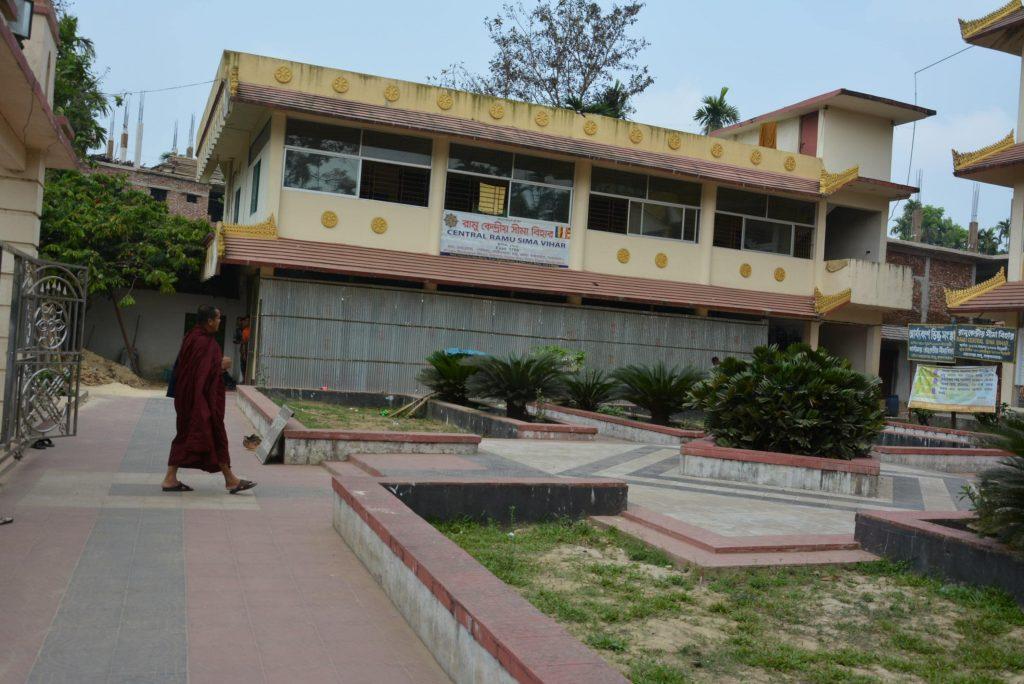
Buddhists Show Support Of Rohingyas
Buddhist leaders from around the world issued a statement that urged Buddhists in Burma to show compassion and respect to the Muslims in Rakhine State. Many Buddhists in that state have been complicit in holding demonstrations and acting violently toward the Rohingya Muslims. “We are concerned about the growing ethnic violence and the targeting of…
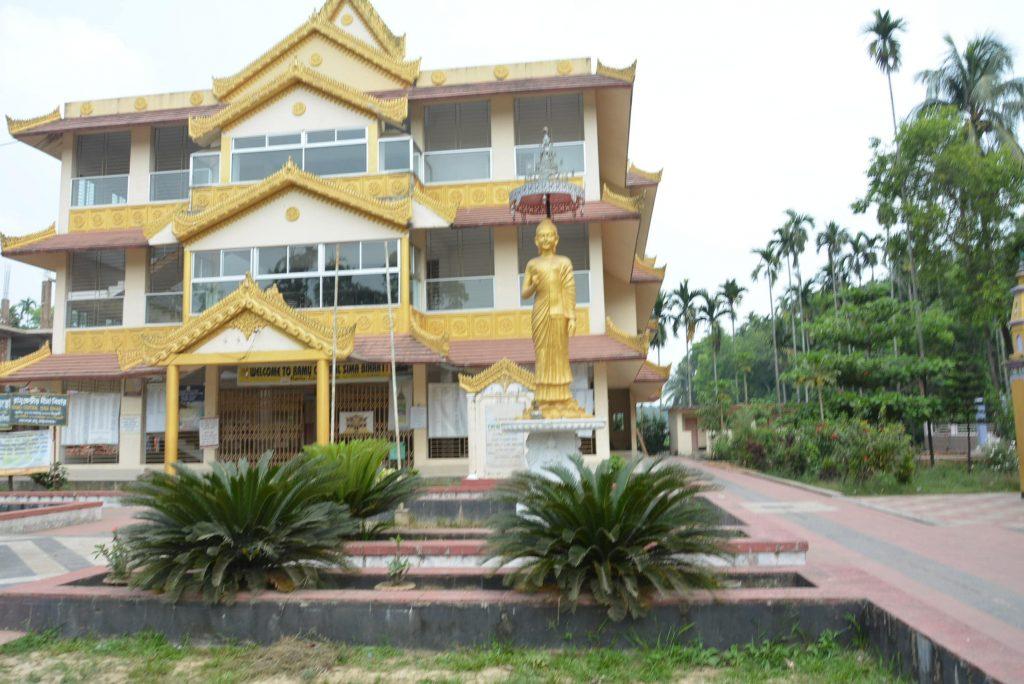
World Buddhist Leaders’ Response To The Growing Ethnic Violence Against Muslims In Myanmar
In the last few months, Jack Kornfield has organized a group of concerned Buddhist elders, including the Dalai Lama and Thich Nhat Hanh, to publish a full-page letter in Burmese newspapers encouraging the Burmese to stand up for their noble tradition of respect and nonviolence. The following is the full text of that letter. Following that…
A Reluctant Hero Of The Rohingya In Burma
Amnesty International’s Kristian Hulaas Sunde conducted an interview with U Kyaw Hla Aung, a 75-year old attorney, who has been repeatedly jailed by Burma for his peaceful political work. Mr. Aung states that his work is for everyone, and therefore he is not a hero for the Rohingya. Certainly, the credo that “injustice anywhere is…
We Must Stop Lying To Ourselves – And To The World
We must stop lying, as a people of Burma or Myanmar. For nearly 40 years – since 1979, the country’s successive military leaderships from Ne Win (1962-88), Khin Nyunt-Than Shwe (1988-2004) and ThanShwe-TheinSein (2004-present) – have as a matter of national policy attempted to erase Rohingya from the country’s official history. Apparently, some university researchers…

Union Of Burma Government-Issued Civil Servant ID: Rohingya Identity, 1970
The ID depicts Myanmar President Thein Sein, and was apparently issued in 1970. His ethnicity is described in this official government document as “Rohingya,” and his religion as “Islam.” This would directly contradict the words and actions of the current government, who have claimed that the word “Rohingya,” does not exist in Burmese culture. You…
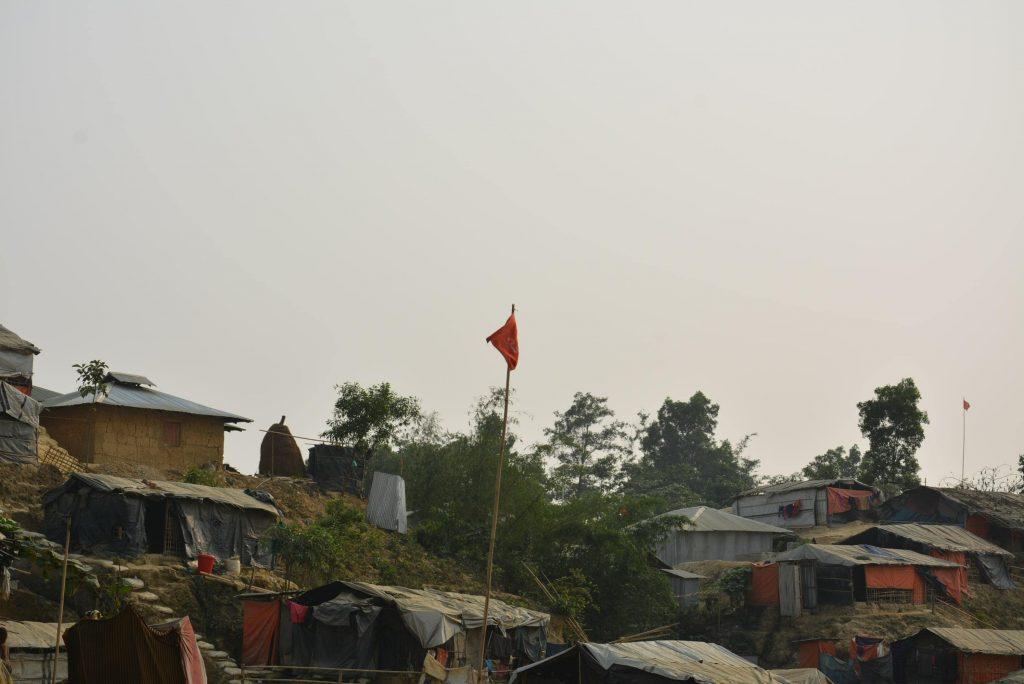
U.S. Holocaust Memorial Museum’s Warning
The U.S. Holocaust Memorial Museum’s Early Warning project has identified Burma as the #1 country at risk of state-led mass killing. Statistics from the U.S. Holocaust Memorial Museum Hundreds have been killed, tens of thousands have fled under the most hazardous conditions, and 140,000 have been forced into horrible, overcrowded camps where they face severe…
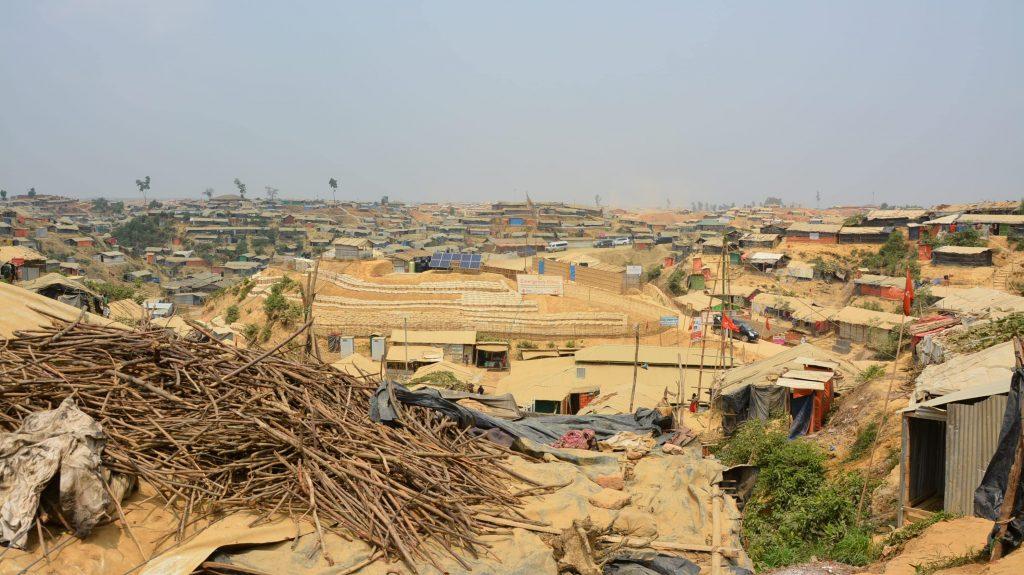
A Historical Document: Inter-Ethnic Solidarity With The Persecuted Muslims Of Arakan Or Rakhine, May 1978
Inter-ethnic solidarity for the Rohingya/Muslims of Arakan – dated 17 May 1978 “We, the Representatives of the peoples of Kachin, Karen, Palaung, Lahu, Shan and Wa, in deep sorrow, hereby express our heart-felt sympathy to the defenceless Muslims who fled to escape the compound racial and religious persecution by the Rangoon Government armed forces.” Read…
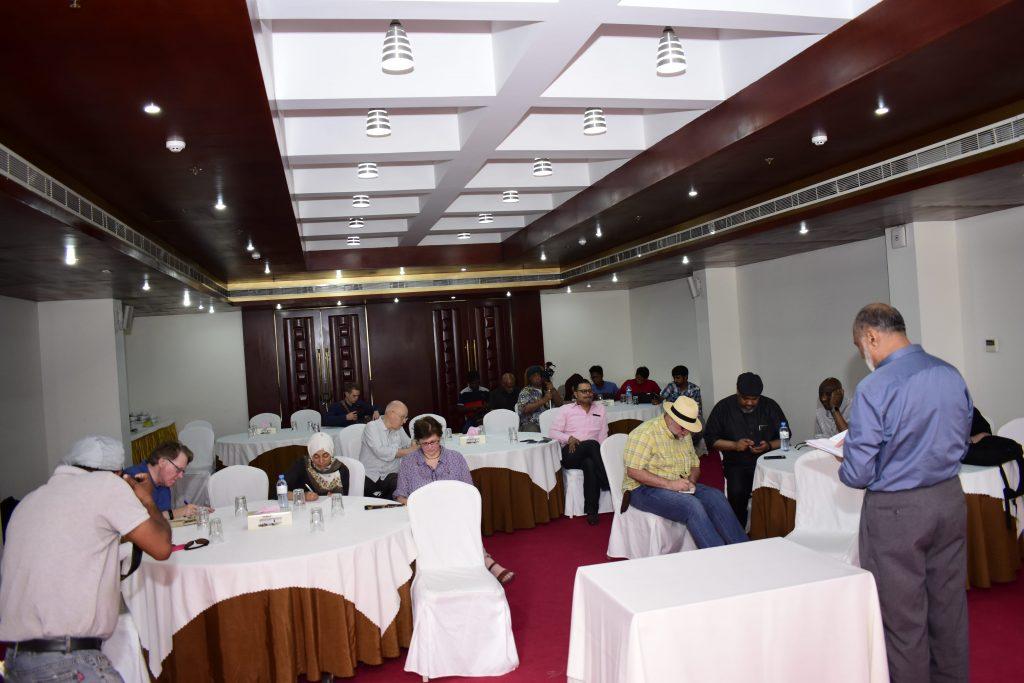
Oslo Conference – Transcripts Of Messages Sent By International Leaders
Downloand below transcripts from important messages of support for the Oslo Conference and for Rohingya rights! Nobel Peace laureates, former heads of state, and international leaders in peace and human rights issues send their messages of support for the Rohingya cause. Archbishop Desmond Tutu (Nobel Peace laureate), Mairead Maguire (Nobel Peace laureate), George Soros (Open…
Stop the Genocide in Burma August Rally
This month marks the three year anniversary of the mass genocidal expulsion of the Rohingya people from their homeland. However, this atrocity is not one of the past. The Burmese military has a monopoly on political power, and it operates as a fascist organization—their grand strategy is to transform all ethnic minorities into Burman under…
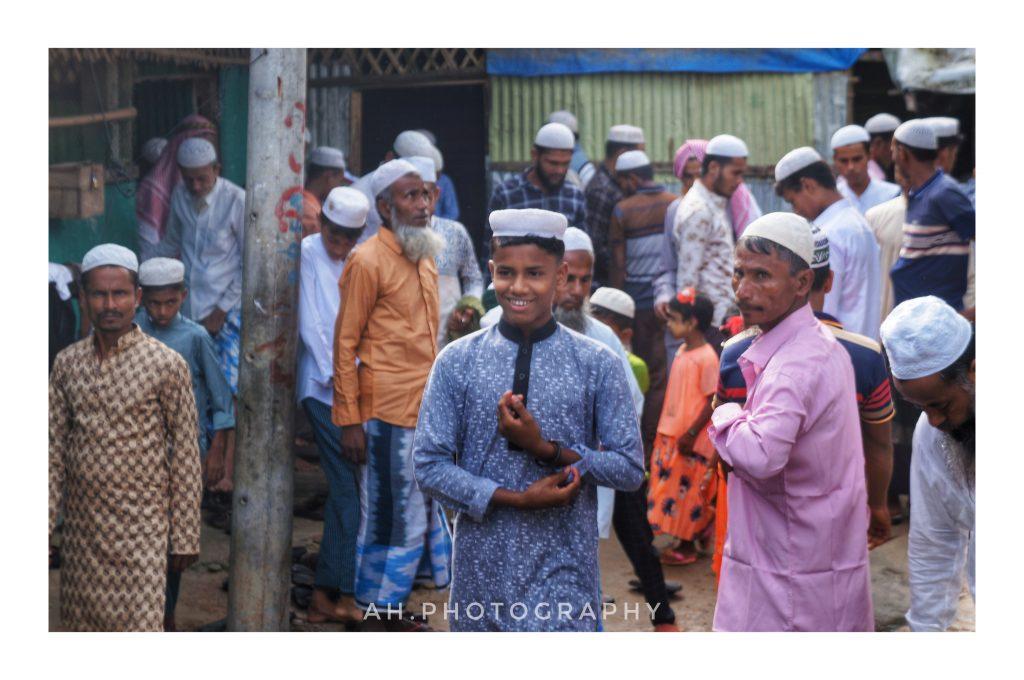
The Ummah Is Alive
Assalamu Alaikum, The Ummah is alive and well. Yes. We don’t hear that often. Do we? There are struggles and challenges. But, then, there are those stepping up to surmount these obstacles. I started writing this note at a Rohingya refugee camp in Indonesia and I finalized it on a roadside motel in East Aceh,…
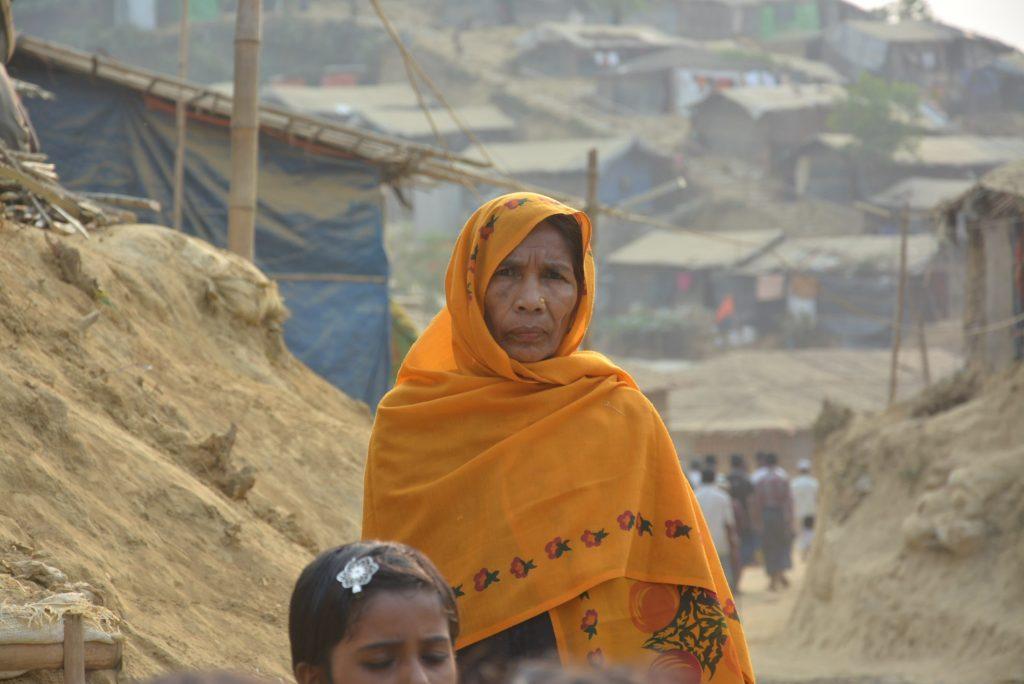
What She Did Not Tell Me Was The Story
Al-Salamu ‘Alaikum Why did this young Rohingya girl leave Burma on her own? Why would parents sell everything they own and put their beloved daughter onto a wooden boat to travel at the mercy of treacherous seas and an uncertain future. This morning, Fatimah told me her story. She shared with me her real name,…
Where Is Sister Ayesha?
Ayesha is a Rohingya woman who lived with her husband in the Arakan area of Burma, until her husband was killed by extremist Buddhists. Not much more is known about the death of Ayesha’s husband, but we know it left her alone. Without anyone to care for her, Ayesha was forced to join other desperate…

Reward: $5,000 For Service Of Process On Burmese Official
BTF is also offering a $5,000 USD reward to any person who is able to deliver the US Federal Court of Southern New York’s summons to Burma’s foreign minister, U Wunna Maung Lwin. The reward will be given to the person who serves the summons and brings a pictorial and video proof that the summons…

BTF Now Hiring Associate Operations Manager & Outreach Manager
Associate Operations Manager This is a full-time, salaried position located in Chicago. Justice for All is a non-profit organization that advocates for human rights causes that do not currently receive mainstream attention. This position relates to Burma Task Force, a project of Justice for All focusing on the rights of the oppressed Rohingya Muslims minority.…
Maryam: A Rohingya Story
by Jennifer Sawicz Media Relations Director, Burma Task Force This story is adapted from the transcript of an interview taken in May 2016 at the ICNA relief center in Chicago. To protect her privacy, the Rohingya refugee woman’s name has been changed. When I first met forty-one-year-old Maryam, she was very shy. She refused the…
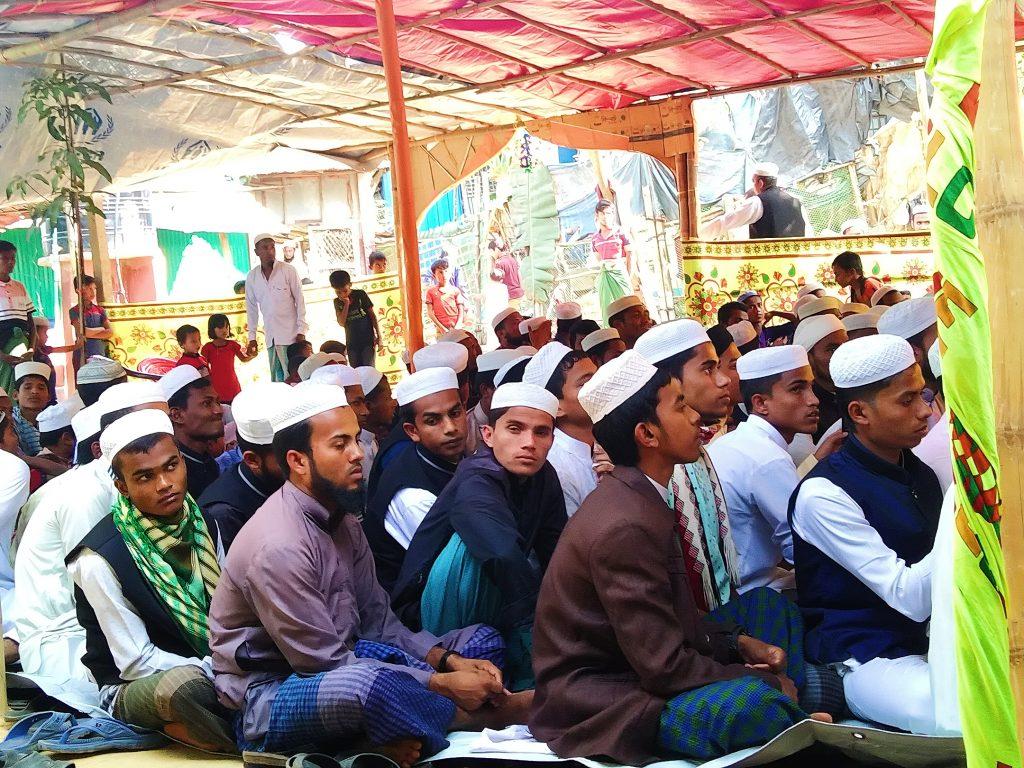
House Foreign Affairs Committee Urges Emergency UN Council Meeting For Rohingya Muslims
In an important and positive development the Chairman of the House Foreign Affairs Committee has sent a letter to Ambassador Samantha Powers, requesting an urgent UN Council meeting to address the plight of the Rohingya. The following is the text of the letter that Rep. Ed Royce of California sent to Ambassador Powers.: Washington, D.C. –…
Joint Letter To Governments On The UN Fact-Finding Mission On Burma
Dear Your Excellency, We, the undersigned, call on States, including the United States, United Kingdom and the member states of the European Union, Association of Southeast Asian Nations, and the Organization of Islamic Cooperation to strongly encourage the Myanmar government to fully cooperate with the forthcoming Fact-Finding Mission into the human rights situation in Rakhine…
Day 1: Tribunal Hearings Receive Expert Testimony On Genocide & Atrocities
The first day of hearings at the International Permanent Peoples’ Tribunal in London saw testimony by expert witnesses from across the world who are intimately familiar with the plight of the #Rohingya, as well as first-hand testimony from Rohingya who have been persecuted for decades. Among the expert witnesses were Tun Khin, Dr. Maung Zarni,…
Peoples’ Tribunal Judges
The following are the confirmed judges who will be present at the Second Peoples’ Tribunal on Burma’s Crimes Against Humanity: Bellur Narayanaswamy Srikrishna (India) An Indian jurist and a retired judge of the Supreme Court of India. From 1993–98, he headed the “Srikrishna Commission” that investigated causes and apportioned blame for the Bombay Riots of 1992–93. He is currently the…

Joint NGO Letter To UN Secretary-General António Guterres About The Situation In Myanmar’s Rakhine State
16 February 2017 H.E. Mr. António GuterresSecretary-General of the United NationsExecutive Office of the Secretary-GeneralS-3800, United Nations Secretariat BldgNew York, NY 10017 Re: Joint NGO Letter to UN Secretary-General António Guterres about the situation in Myanmar’s Rakhine State Your Excellency, The Rohingya, a Muslim ethnic minority group in Myanmar, have been systematically disenfranchised and increasingly…

Organizational Letter To The US Secretary Of State, Congress And US Ambassador To The UN Regarding The Targeting Of Rohingya Civilians In Myanmar
AN ORGANIZATIONAL LETTER REGARDING MYANMAR’S MILITARY CAMPAIGN TARGETING ROHINGYA CIVILIANS IN MYANMAR September 5, 2017 On August 25, 2017, the Myanmar Military bombed 25 Rohingya villages reportedly using six gunship helicopters, navy ships and tanks as Rohingya families slept. Reports indicated that soldiers have been shooting at fleeing Rohingya civilians. This has clearly been an…
LaunchGood: Help End Rohingya Genocide In Burma
Story Updates Donors As of now, according to the UN estimates, 300,000 Rohingya Muslims have fled to Bangladesh. Human Right Watch reports that villages on a 100-kilometer stretch were set on fire. Killing is still ongoing. The UN is being blocked by Burma to provide water, food and medicine to another 400,000 Rohingyas sheltering in forests…

Buddhist Support
“War ends only when people love each other.” -Buddha Buddhism has a well-deserved reputation in the popular imagination as a non-violent, peaceful religion that rejects hatred and teaches compassion. Images of the self-immolation of Buddhist monks protesting the US invasion and support of an oppressive South Vietnamese government are seared into the memories of people across…
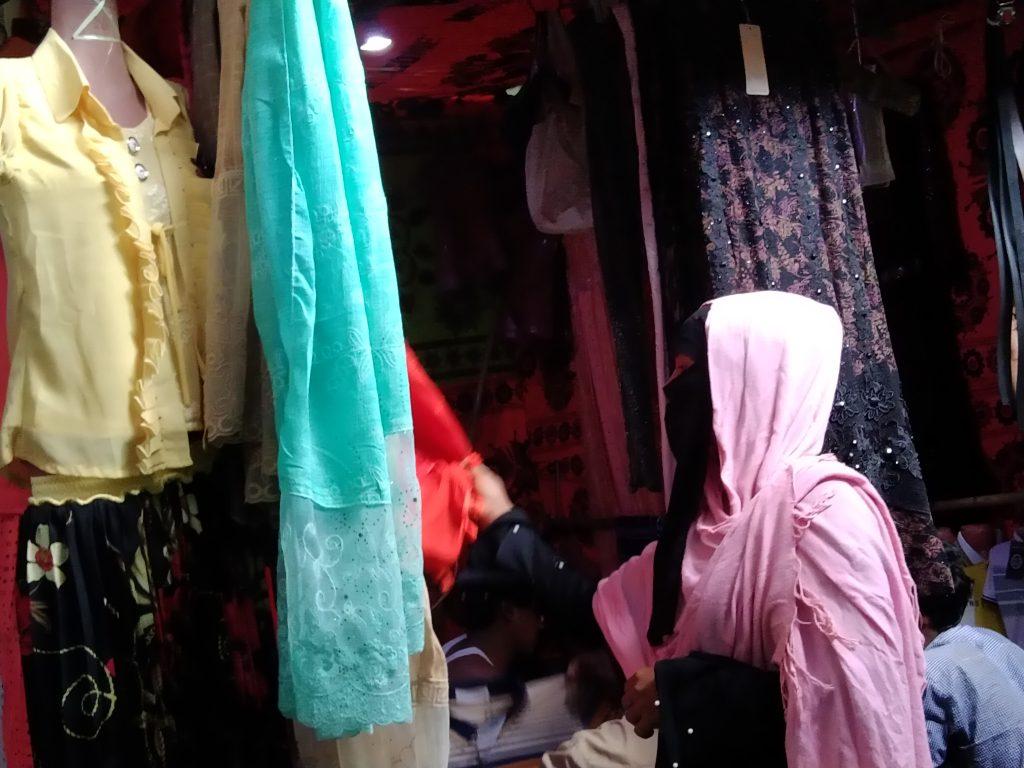
Tawwakol Karman
“How many Rohingya have to die; how many Rohingya women will be raped; how many communities will be razed before you raise your voice?” (Countercurrents)
Speak Up For Rohingya
Silence has been the most effective tool again Rohingya. False information or lack of political support help breed the systematic violence that is forcing them to flee once again. The Rohingya need your help. Speak for Rohingya

Malala Yousafzai
“Over the last several years I have repeatedly condemned this tragic and shameful treatment [of Rohingya].I am still waiting for my fellow Nobel Laureate Aung San Suu Kyi to do the same. The world is waiting and the Rohingya Muslims are waiting.” (NPR)
Joint Letter From Canadian Legal Experts On Rohingya Crisis To Canadian Government
Letter circulated at the request of the Burma Task Force To: The Right Honourable Justin Trudeau, PC, MP Prime Minister of Canada The Honourable Chrystia Freeland, PC, MP Minister of Foreign Affairs The Honourable Marie-Claude Bibeau, PC, MP Minister of International Development Dear Prime Minister and Ministers, Since the intensification of Myanmar’s violence against…
May You Have A Blessed Eid
Ramadan has past. It was an especially hard one for many of our Rohingya brothers and sisters, who are suffering in camps with little food and water. They’ve been hit by cyclones and als continue to face the persecution of Burmese military and government authorities. Yet, this does not stop them from enjoying this day as well.…
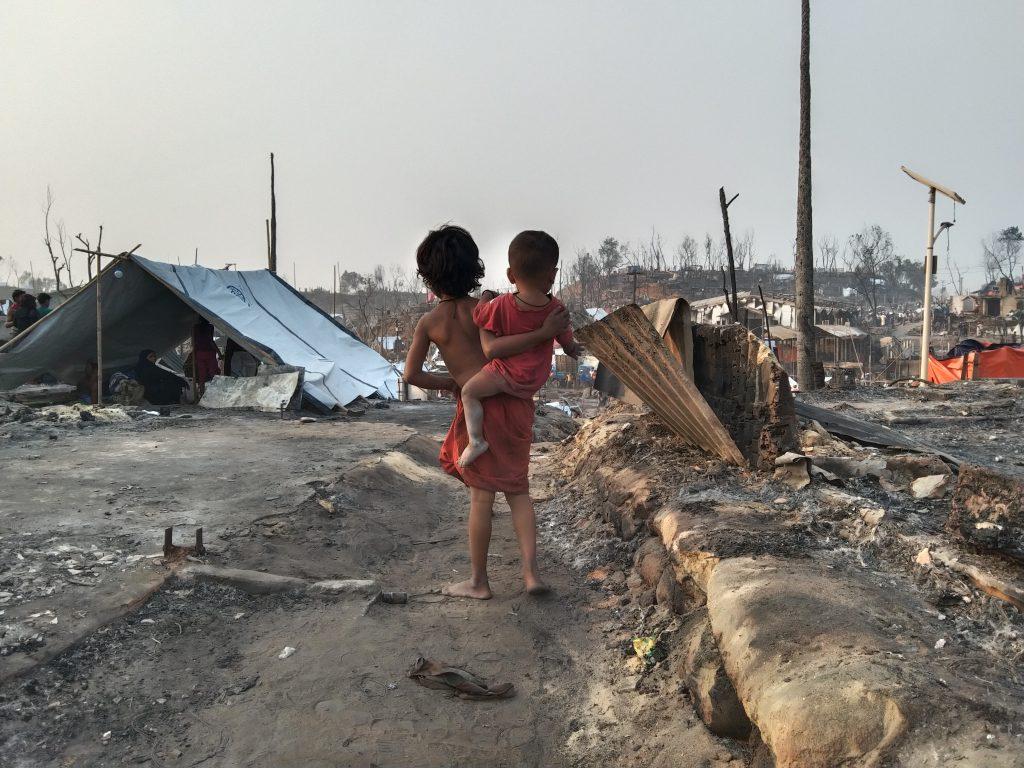
Your 5 Minutes TODAY Are Critical For Rohingyas
We have reached a pivotal point in our efforts to deliver justice for the Rohingya. Your 5 minutes today and tomorrow will make a huge difference. The U.S. Secretary of State, Mike Pompeo, is on the verge of making a major decision to officially call the actions of the Burmese army a ‘genocide.’ If he officially calls…
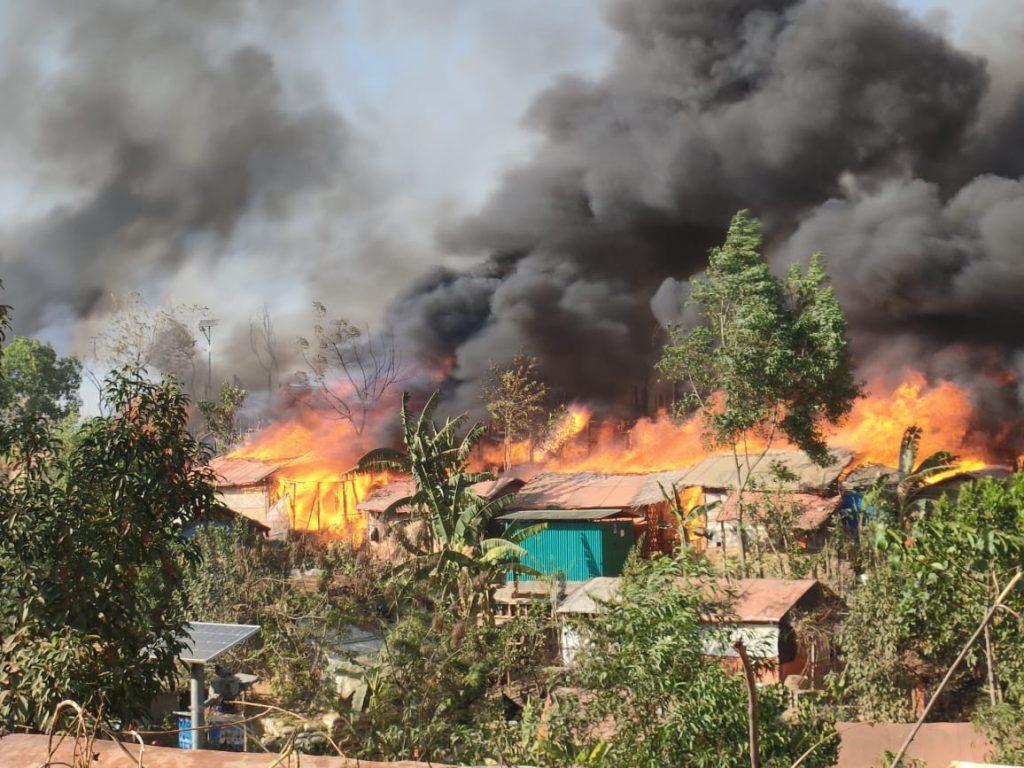
Memorandum: Potential ICC Investigation Into Alleged Crimes Against The Rohingya
Written By: Megan Hirst & James Kirk Introduction We represent a group of Rohingya victims from the village of Tula Toli. In proceedings at the International Criminal Court (ICC or “the Court”) concerning the Court’s jurisdiction, we made submissions on behalf of these victims. In doing so we received financial support from Burma Task Force. We…
Take Action To Stop Genocide In Burma
Call these Embassies to stop the genocide: https://www.burmataskforce.org/alert/call-campaign-list-embassies-you-must-contact Call these United Nations Missions to stop the genocide: https://www.burmataskforce.org/UN Next 7-10 days are the most critical days for Rohingya. Iron is hot not to strike to get it declared a genocide Your phone calls and prayers are making a difference. This month is quite critical for Rohingyas. Major…

Our Achievements
ACHIEVEMENTS 1. House resolution declaring genocide in Burma 2. Stronger partnerships with and between Burmese leaders & ethnic groups 3. Helped create broader environment of public pressure that contributed to the State Department’s comprehensive report on atrocities in Burma 4. Major increases in aid to Rohingya refugees: $400 million in the U.S., $300 million in…
Austria & Germany: No Red Carpet For Burma’s War Criminal!
Germany and Austria are hosting the head of the Burmese military, Min Aung Hlaing. Min Aung Hlaing, presided over war crimes against the Rohingya and Kachin peoples. According to the UN, the Burmese military killed and raped thousands of Rohingya, and forcibly displaced over 80,000 by burning their villages down. The Burma Campaign UK are…
Call For Volunteers: Ending Rape In Burma
Only 11 Years Old Imagine an 11-year old. May be your daughter, your sister, or imagine you were 11 years old. Then read the testimony of an 11-year old Rohingya Muslim girl as told to Ilona Alexander of the United Nations. “Her father went into hiding from the military and took her two older sisters…
Call Congress Today: Rohingya Ramadan
Assalamu Alaikum Ramadan Mubarak Penniless and homeless Rohingyas started their Ramadan as well. The last Ramadan they could not even enter a mosque in Burma. All mosques were shut down in their area since 2012. Friday prayers and Eid were both illegal. About 129,000 Rohingyas began Ramadan in the concentration camps of Burma. The military marched them to…

Please Help Rohingyas Fight Back
A Rohingya woman in a refugee camp in Bangladesh. Photo credit: Burma Task Force As-Salamu Alaykum. Over the last four days our attorney was in Hague, Netherlands, at the International Criminal Court (ICC). Today she and our team are flying to Bangladesh meeting the survivors of genocide and rape that we represent. It is an…
Your Two Calls Today Are Critical For Rohingyas
AsSalamu Alaykum. We need you to make just a couple of calls today. These may be the most important calls to stop the genocide of Rohingyas in Burma. We are facing a major fork in the road in our campaign to save our Rohingya brothers and sisters. The government of Bangladesh might refuse to cooperate…
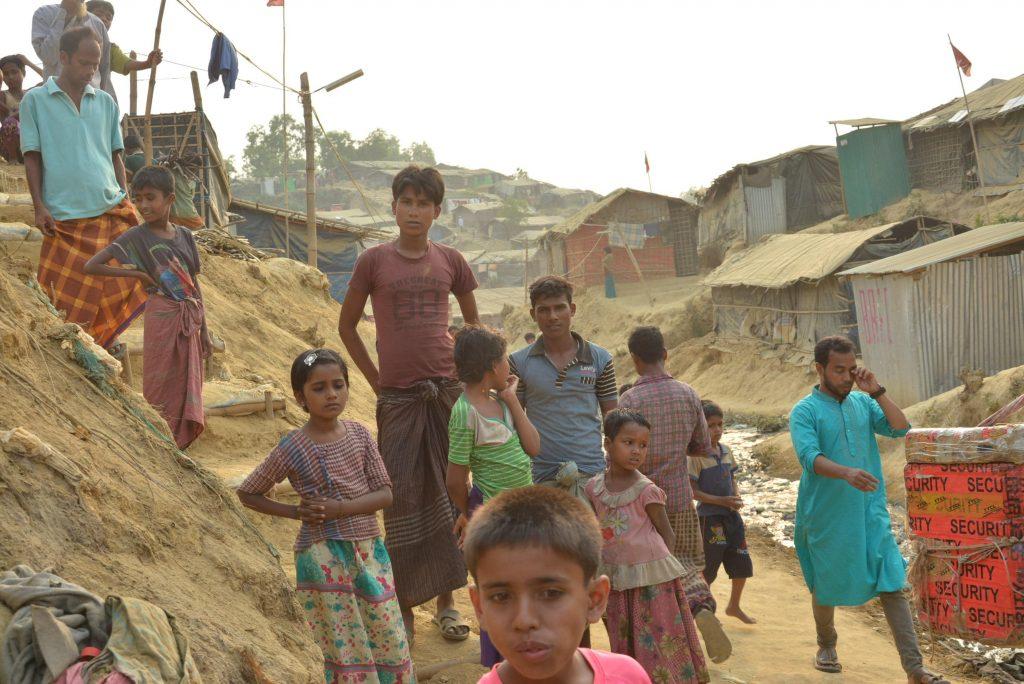
Eid Is Almost Here. Please Support Our Vital Work For The Rohingyas.
Photo credit: Burma Task ForceJUNE 2018 AsSalamu Alaykum. Hopefully the blessed final days of Ramadan are filling you with serenity and gratitude. Request for Dua: Please remember our Rohingya brothers and sisters. Monsoon rains are currently pounding Rohingya camps. These rains are leading to floods, triggering landslides and blowing away the little huts Rohingyas are forced…
URGENT: Time To Act For Rohingyas Is Now!
Major developments have taken place in the last 48 hours. I normally request 10 minutes of your time. But today I would appreciate it if you will take several ten minutes breaks today and tomorrow in support of Rohingya. The iron is hot! We must strike now! Twitter and phone messaging is our power. Please use it…

Call Embassies Of Muslim Majority Countries To Stand Up For Rohingya And Uyghurs
Please Call Ambassadors Of Muslim-Majority Countries To The United Nations Ask them to: 1) Push the UN Security Council to call it genocide and put full sanctions on Burma until it takes back all Rohingya giving them citizenship and security. 2) Ask China to stop its anti-Muslim attitude: after supporting Rohingya genocide China has detained…

Call- In Campaign: List Of Embassies You Must Contact
Here is a list of Embassies and Ambassadors you should get in touch with to advocate for the Rohingya: ASEAN States Brunei Darussalam H.E. Ambassador Dato Paduka Haji Serbini bin Haji Ali (202) 237-1838 info@bruneiembassy.org 3520 International Court, NW, Washington DC 20008 Cambodia H.E. Ambassador Mr. Chum, Sounry (202) 726-7742 Email: camemb.usa@mfa.gov.kh 4530 16th Street,…
Action Alert: The Reason Your Phone Calls In The Next Couple Of Weeks Are Critical
The UN General Assembly has begun. It happens once a year.The UN Security Council will meet.All the world’s leaders will gather in New York at this time. This week the UN has issued a 440-page report calling the persecution and displacement of Rohingya a genocide. But the Rohingya people don’t need any more reports. The UN must follow all…
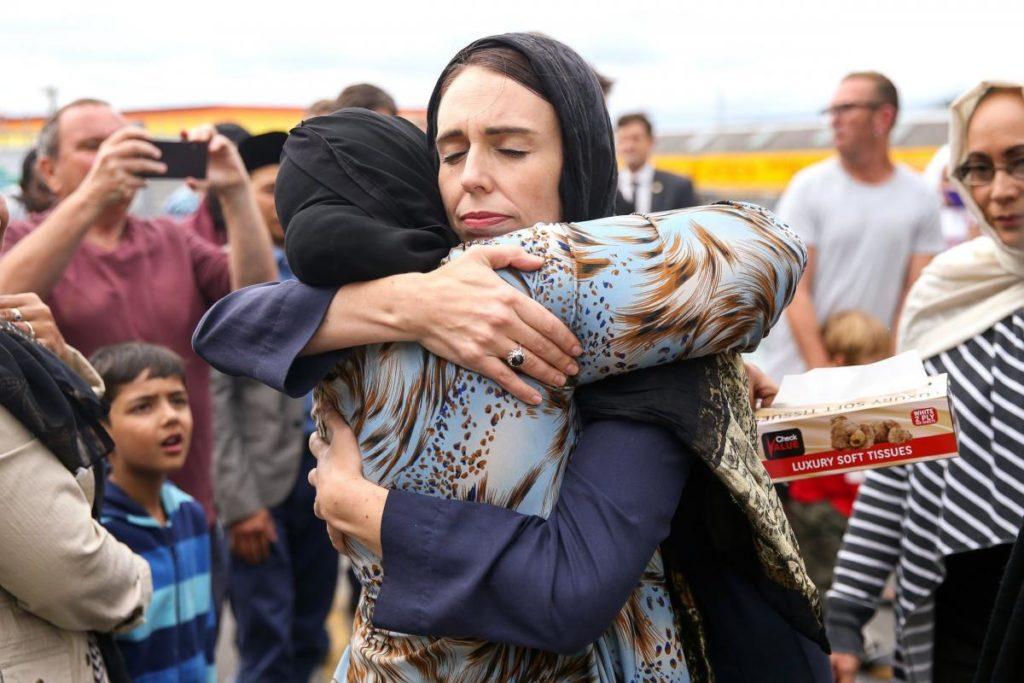
SIGN & ShARE A LOVE LETTER TO NEW ZEALAND PRIME MINISTER
SIGN & SHARE A LOVE LETTER TO NEW ZEALAND PRIME MINISTER Rt Hon Jacinda Ardern came out with one of the most forceful denunciations of Islamophobia on record, and has called for a global campaign against hate. Please sign a love letter to her and then share it with others to do the same. Add your name to…
Muslim Rohingya Flee Violence In Burma
A wave of anti-Rohingya violence sends the beleagured people fleeing. Many attempted escape on their fishing boats. persecution ethnic cleansing genocide refugees Log in to post comments
And What About Aung San Suu Kyi And Other Myanmar People? What Are They Doing About This?
Aung San Suu Kyi has not only maintained a willful silence over the persecution of Rohingya but she has categorically denied that the ‘ethnic cleansing’ of Rohingya is taking place. Extremist Rakhine leaders who are her fellow parliamentarians are on the record stating that they have told her never to utter the word ‘Rohingya’, or…
Al-Jazeera Airs Report On The Genocide Of The Rohingya
Al-Jazeera ran a report this weekend called “The Hidden Genocide,” about the massacre of Rohingya Muslims in Burma. The piece includes interviews with several Rohingya refugees who watched family members and friends die in the violence that took place over the summer in Rakhine state. The story also chronicles the events leading up to the…
President Obama Mentions Rohingya During Burma Visit
President Obama stopped in Burma for 6 hours on Monday, Nov. 19 and spoke at University of Yangon. In that speech, Obama made a mention of the violence against the Rohingya Muslim minority in the western state of Rakhine that has left hundreds dead and thousands homeless. “For too long, the people of this state,…
California Task Force Member Interviewed On Radio
Ko Ko Naing, a member of the California branch of the Burma Task Force, was interviewed during the Oct. 2 rally in Los Angeles, held while Aung San Suu Kyi was speaking inside. “Ms. Suu Kyi should focus on the human rights first, then we can talk about cooperating with Mr.Thein Sein, Burma’s current president,”…
Burma Task Force Rallies In The News
Several rallies organized by the Burma Task Force were covered by the local news. More information on the New York rally can be found here.The San Francisco demonstration, held outside the War Memorial Gym while Aung San Suu Kyi was speaking inside, was also covered by local media. Watch a video here from CBS news.…
West Virginia Rally Gains News Coverage
The Burma Task Force rally held in Morgantown, WV, gained news coverage by its local CBS affiliate. Watch the news video below. coverage Log in to post comments
Canadian News Covers Kitchener Burma Rally
The Canadian branch of the Burma Task Force had major success over the weekend. The Kitchener, Canada rally was covered by Canada TV, and an MP plans to talk about the Rohingya situation in front of the government. Watch the video here. Burma Task Force USA announces nationwide rallies on September 22 — The Siasat…
21st Century Concentration Camps
In this video, Nicholas Kristoff explores the camps where many Rohingya are forced to live in Burma. concentrationcamp genocide human rights Log in to post comments
Oslo Conference On Rohingyas – An International Call To End The Genocide
Nobel Peace laureates, former heads of state, and international leaders in peace and human rights issues send their messages of support for the Rohingya cause. Archbishop Desmond Tutu (Nobel Peace laureate), Mairead Maguire (Nobel Peace laureate), George Soros (Open Society Foundation), Tun Mahathir Mohamad (former Prime Minister of Malaysia), and Jose Ramos-Horta (former Primer Minister…
Speakers At Oslo Conference Highlight Myanmar Government’s Lack Of Concern For Rohingyas
Speakers answer questions at the Q & A Session from the Research Plenary at the Oslo Conference to end Myanmar’s Persecution of Rohingyas in May 2015, and begin the Policy Plenary Part I. “Myanmar’s government doesn’t seem to be interested at all in partnership,” said Sarnata Reynolds, Senior Adviser on Human Rights, Refugees International. She…
“Why Is ASEAN Silent In This Issue?” General Azhumi At Oslo Conference
Sarnata Reynolds, Senior Adviser on Human Rights, Refugees International, USA, and General Azhumi, former chief of Malaysian army, speak at the Oslo Conference, Policy Plenary Part II. General Azhumi speaks about the dangerous silence of ASEAN while thousands of Burmese Muslims suffer. Log in to post comments
International Law Needs To Have Independent Impact, Says Dr. Gianni Tognoni
Dr. Gianni Tognani, The Secretary General, Permanent People’s Tribunal, Rome, Italy Extra-UN Tribunal Approaches to Dealing with Mass Atrocities, spoke at the Policy Plenary in the Oslo Conference about the plight of Rohingyas and their victimization under the Myanmar government. He said victims don’t want to be further victimized – rather they want to look…
General Azhumi Commends Malaysia And Indonesia For Supporting Rohingya, At Oslo Conference
Retired General Azhumi, former Chief of Malaysian Army, Former UN Peacekeeper and current Trustee of the Perdana Global Peace Foundation, spoke of the complacency of ASEAN and other organizations who fail to lend a hand to the Rohingya and/or make an effort to call the Myanmar government out for committing atrocities against the Burmese minorities.…
Muslims In Burma
Forty percent of Burma consists of ethnic minorities. There are Muslims among many of these ethnic minorities; Rohingya Muslims are one of these minorities who live in the southwest region of Burma near the border with Bangladesh. ROHINGYA MUSLIMS ARE CONSIDERED ONE OF THE MOST PERSECUTED PEOPLE IN THE WORLD ACCORDING TO THE UNITED NATIONS.…
How Is It That Buddhist Monks Seem To Be Involved? I Thought They Were Into Peace And Compassion?
While Buddhism as a philosophical system is about universal loving kindness, accepting impermanence through a non-essentializable or solid ego, some of Myanmar’s Buddhism and Buddhist monks are contaminated with the country’s racist nationalism. Monks’ involvement in anti-Muslim deeds and words is more to do with racism and nationalism than with Buddhism as a spiritual philosophy.…
Burmese President To Be Given Peace Award
In the midst of violence against the Rohingya Muslims in his country, Burmese President Thein Sein will be given a peace award by the International Crisis Group. The group said the award was being given because: “Myanmar has initiated a remarkable and unprecedented set of reforms since President Thein Sein’s government took over in March…
Statement By Ms Yanghee, Lee Special Rapporteur On The Situation Of Human Rights In Myanmar
Statement by Ms Yanghee, Lee Special Rapporteur on the situation of human rights in Myanmar – 28th session of the Human Rights Council Item 4 (16 March 2015, Geneva) Read the full statement here: http://reliefweb.int/report/myanmar/statement-ms-yanghee-lee-special-rapporteur-situation-human-rights-myanmar-28th Photo by Eric Bridiers

Map Establishes Historical Claim Of Rohingya Muslims
“The borderland region of pre-nation state Western Burma has been recognised as “Islamic” since 1500 AD, according to the TIMES (2011). Similarly, Myanmar Encyclopaedia (1964) recorded Northern Rakhine or Arakan as predominantly Islam in religion and Rohingya in ethnic background and group identity. . By saying Northern Rakhine has been ‘invaded’ by “Bengali economic migrant labourers”…
The Oslo Conference To End Myanmar’s Persecution Of Rohingyas
Burma Task Force / Justice for All is co-organizing a conference in Oslo, Norway on May 26-28, 2015, to address the continuing persecution of Rohingyas by the Burma/Myanmar government. Buddhists, Christians, Muslims, and people of other faiths will come together to condemn this persecution and discuss actions the international community can take. Multiple Nobel laureates…

Congressional Members Urge Secretary Of State Kerry To Action
Members of the United States Congress have sent a letter to Secretary of State John Kerry urging him to take action to ensure that those Rohingya stranded at sea “are brought to safety, including through search and rescue missions, and provided medical and other care without delay.” These members of Congress insisted that “more must…

Interfaith Leaders Urge US President Take Action On Rohingya Refugee Boat Crisis
Leaders of Buddhist, Muslim, Jewish, and Christian faiths urged President Obama to take “immediate action … to save the lives of thousands stranded at sea in Southeast Asia.” The interfaith leaders called for the President to influence regional nations to embark on search and rescue missions to save the Rohingya refugees. They also noted that…
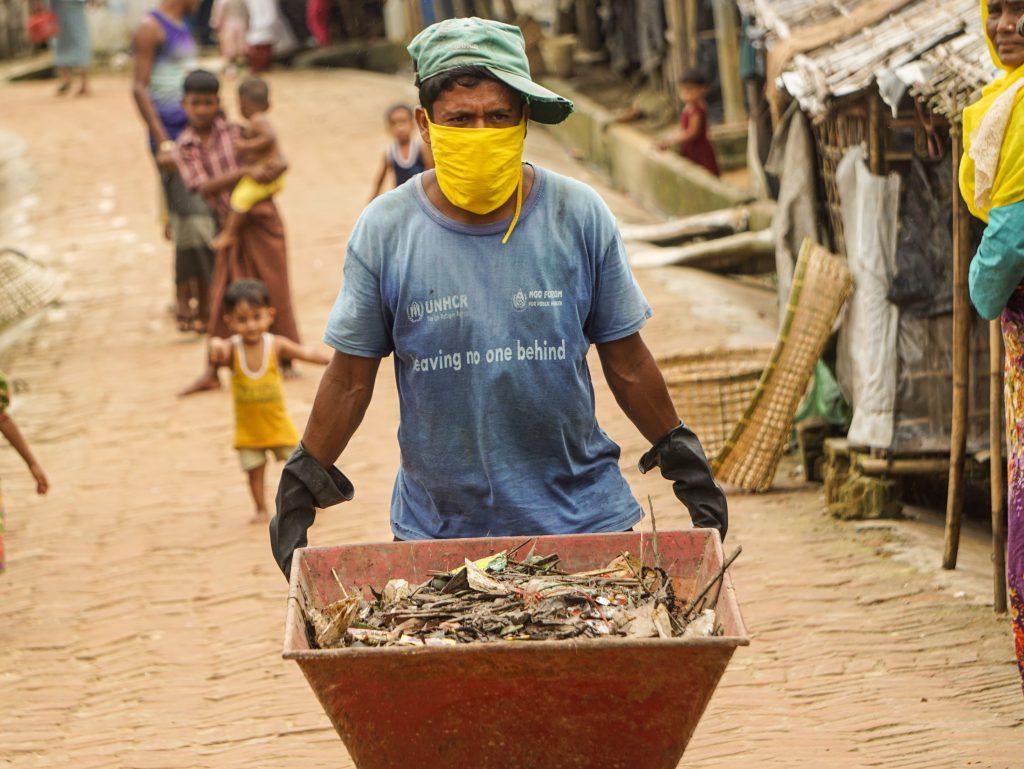
Issues Regarding News Articles About Rohingya
Since May of this year, the Rohingyas- or “boat people” as the media has dubbed them- have been plunged into the international spotlight. Almost every news website, ranging from BBC to The Phuket News, to The Sydney Morning Herald has at least one article, if not more about them. However, not all of these articles…
Joint Statement On Disenfranchisement And ‘Policy Of Exclusion’ Of The Rohingya
The undersigned Rohingya Organizations in Europe have strongly denounced the undemocratic actions of the Election Commission against Rohingya parliamentary candidates under the government’s ‘policy of exclusion’ of the Rohingya, debarring them from contesting in the upcoming crucial election scheduled on November 8, 2015, on a false and fabricated charge that their parents were not citizens.…
Joint Statement On Condemning The Decision Of Myanmar’s Union Election Commission
JOINT STATEMENT Ref: BR.000101 DATE. 29.09.2015 We, the undersigned Rohingya organizations demand to the United Nations, ASEAN, Organization of Islamic Conference, European Union, United States of America, Canada, United Kingdom, Observers and stakeholders to condemn the decision of Myanmar’s Union Election Commission (UEC)’s rejection to the Rohingya applicants on the false grounds that are unacceptable and totally undemocratic.…
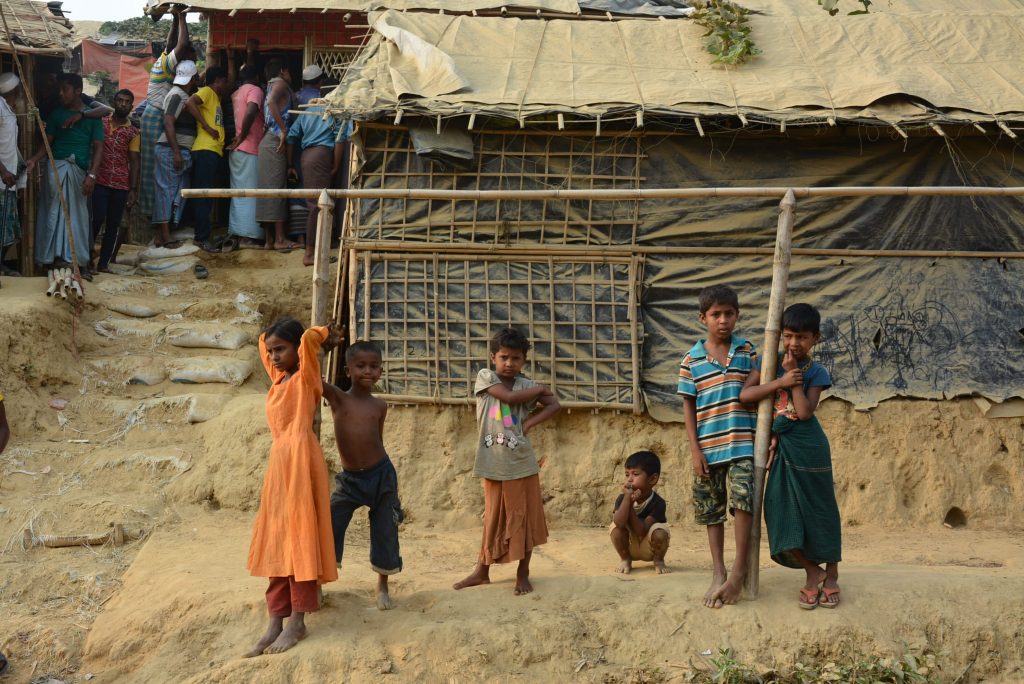
From Downtrodden To Soaring: Getting Children Of Oppression To Dream
We at Burma Task Force are striving hard every day to end the genocide and persecution against the Rohingya. But what happens when, God willing, we are successful? Chances are that a population who hasn’t been allowed to participate meaningfully in society since 1982 will not just merrily reintegrate & become productive citizens. In a…
Senator Cantwell’s Statement On Facebook
Submitted by Aqsa Tahir on August 18, 2018 Senator Cantwell Calls on Social Media Companies to Confront Hate, Better Protect Minority Rights WASHINGTON D.C. – Today, U.S. Senator Maria Cantwell (D-WA) called on social media companies to confront hate and better protect minority rights and vulnerable communities on their platforms: “We cannot let social media platforms be hijacked…
Historical Statement In Support Of Rohingya By Kachin
Jinghpaw Wunpawng Amyu Sha HpungKachin National OrganizationEmail: info@kachinland.org, Website: www.kachinland.org KACHIN NATIONAL ORGANIZATION OF UNITED STATES (KNO-US) CALLS TO SUPPORT THE PLIGHT OFROHINGYA REFUGEES (August 25, 2018):Today marks the first anniversary of the start of the violence committed by the government of Burma and its army, Tatmadaw, on the people of Rohingya which resulted in…

#Unilever CEO “Stands Firm” With Nobel Laureates Call For Investigation
Unilever’s CEO, Paul Polman expressed his personal support for the rights of the Rohingya and after a week of tweets, contacts and the campaign by #WeAreAllRohingya Unilever has officially stated, through a tweet that it “stands firm” with the two dozen Nobel Laureates who have pressed for Burma to end atrocities against the Rohingya and restore their…

ICC Court: We Have Jurisdiction For Myanmar Genocide Trial
Burma Task Force filed a case against the Myanmar (Burma) Government on behalf of the Rohingya survivors of the massacre of Tula Toli. Rohingya Survivors Will Have Their Day In Court. Chicago, IL—The Burma Task Force welcomes the news from the International Criminal Court (ICC) that the court holds jurisdiction over the alleged deportation of the Rohingya…
Joint Appeal To The UN Security Council To Act On Myanmar’s Rohingya Crisis
Joint Appeal to the UN Security Council to Act on Myanmar’s Rohingya Crisis In advance of the United Nations Security Council’s December 12 meeting on the situation in Myanmar, we, a global coalition of 69 human rights, faith-based and humanitarian organizations, urgently call on the Council to take immediate action to address the campaign of…
Burma Task Force Welcomes The Public Release Of The State Department Report On Mass Atrocities Against Rohingya, Asks For Arms Embargo Against Burma
Written By: admin Burma Task Force welcomes the State Department's publication of the report on "Atrocities in Northern Rakhine State." Human rights groups and Congressional leaders have been urging the public release of this report, describing the genocidal actions perpetrated against the Rohingya minority of Burma. While the new report does not explicitly state that genocide…
Rohingya Leaders Takes Firm Statement On ICC
We, the undersigned Rohingya leaders, seek referral of Burma to the International Criminal Court (ICC), ideally by the UN Security Council, but potentially by any UN member state that supports the ICC. We demand justice and want those responsible for this genocide to be punished to the maximum extent of the law. Support for international human rights…
MOTHER’S DAY IS COMING: TELL U.S. LEADERS TO REMEMBER ROHINGYA MOTHERS AND VICTIMS OF RAPE
The month of May will mark nine months since the Burmese army drove 700,000 Rohingya refugees into Bangladesh. Aid workers noticed the high number of pregnant women in the refugee camps, due to the mass rape of Rohingya women as a tool of genocide and ethnic cleansing. In the next several weeks, thousands of babies…
Genocide Discussion Moderated by Imam Malik Mujahid
https://youtu.be/kyJrhyYBRu0 Streamed live on 9 Aug 2020
Burma Task Force Condemns Rohingya Repatriation Agreement Between UN And Myanmar – No Return Without Citizenship!
AsSalamu Alaikum. Hopefully the blessed final days of Ramadan are filling you with serenity and gratitude. These are theholiest days of the holy month, when good deeds carry great weight, and actions speak much louder thanwords. It is with this in mind that Burma Task Force has condemned the recently signed Memorandum ofUnderstanding between the…
United Nations Declares It A Genocide
One Year Anniversary of Rohingya Genocide Shows Existential Crisis Burma Task Force commends the United Nations investigators for their report today that makes quite clear that the violent repression of the Rohingya minority has reached to the level of genocide, and requires referral to the International Criminal Court (ICC). The United Nations Security Council must…
Burma Task Force Applauds UN Human Rights Council’s Decision On Myanmar
The United Nations Human Rights Council has officially established a mechanism for systematically gathering and archiving evidence for the future prosecution of Burmese war criminals. The UNHCR’s resolution represents a major step toward accountability and justice for the Rohingya, and provides an important step towards a real resolution of the crisis. “We welcome the UN…
Statement In Support Of ICC Referral Of Burmese Military And Civilian Leaders Responsible For The Rohingya Genocide
We, the undersigned Rohingya leaders, seek referral of Burma to the International Criminal Court (ICC), ideally by the UN Security Council, but potentially by any UN member state that supports the ICC. We demand justice and want those responsible for this genocide to be punished to the maximum extent of the law. Support for international…
Organizational Statement On The 2nd Anniversary Of Genocidal Expulsion Of Rohingya
On the second anniversary of the genocidal expulsion of the Rohingya minority from Burma, the Governments of Bangladesh and Burma have announced plans to immediately repatriate over 3500 Rohingya. These plans are premature and doomed to fail. It is clear to everyone that conditions in Rakhine State are not conducive to refugees’ return. Burmese authorities…
The Rohingya: Victims Of Burmese Military Rape – A BTF Documentary
Burma Task Force USA presents ROHINGYA: VICTIMS OF BURMESE MILITARY RAPE. This is a film about young Rohingya women, some as young as 14, who share their stories of murder and rape with acclaimed filmmaker Shafiur Rhaman. Shot in Teknaf region near the Myanmar/Bangladesh border. December 2016 & January 2017. A SHAFIUR RHAMAN FILM For…
Break The Silence! End The Genocide!
Petition: Break the Silence! End the Genocide! A genocide in the 21st century is a failure of our collective humanity! There is a lot of hope that Aung San Suu Kyi, the long time democracy advocate and Nobel Prize winner, whose party won recent elections will alter the status quo. You can make a difference,…
Call Your Senator Today To Save Rohingya Lives
Download the action alert attached below and urge your Senator to support Resolution 250 condemning Myanmar and Amendment 607 to the NDAA stopping all military assistance to Myanmar.
ACT TODAY: Urgent Bangladesh, Thailand, Malaysia & Indonesia To Save 8,000 Lives
Thousands of Rohingyas are stranded on boats at the shores of Thailand. Burmese officials continue their genocide by taking Rohingya papers and money from their relatives abroad and letting Rohingya leave Burma in collusion with the Thai human traffickers. All this happens, while no country (Bangladesh, Thailand, Malaysia, Indonesia) is letting them in their country…

How Can You Help Burmese Muslims This Ramadan?
While the Rohingya crisis is off the media radar, the genocide of Rohingyas continues. Every day, Burmese government is pushing 500 or so Rohingyas off the shores of Burma. This is an ongoing crisis for years now. It is a part of their stated policy. Burmese Muslims need your urgent and consistent help. Why is…
Flooding In Rohingya Camps
Heavy rains from a tropical depression in the Bay of Bengal have triggered massive flooding in Rakhine State, causing a rising death toll of at least 20, with thousands of people affected. Thousands of homes have been affected, forcing some to relocate. The flooding has also damaged roads and bridges. The flooding has…
URGENT: Your Calls Are Critical NOW To Save Lives [Live Updates]
DOWNLOAD and DISTRIBUTE [PDF] Assalamu Alaikum I am personally appealing to you to please pick up your phone and start calling NOW. You can save lives. Three Rohingya villages are surrounded right now by armed extremists. We need your help now to stop imminent attacks! Your calls in the past have at stopped at least…

New NLD Religious Affairs Minister Calls Muslims “Associate Citizens,” Visits Extremist Monk
The new Burmese minister of religion, Aung Ko (former member of the military regime), has in the span of two days created a storm of controversy. Yesterday, Burma Task Force confirmed with the Burmese Voice of America service that Ko described Muslims as “associate citizens,” implying they are not “full citizens.” This is inconsistent with…
Action Plan 2018 For Rohingyas
January 2018 Al-Salamu ‘Alaykum, One million Rohingya Muslims are fearful that they will be forced to go back to the genocide zones and killing fields from which refugees are still fleeing. That must not happen. Please join our public webinar, only two days away to learn about “Action Plan 2018 for Rohingyas.” An Important Webinar on January 11:What: Plan 2018:…
Amnesty International Makes A Grave Mistake
Salam, Thank you for your calls. Some sanctions on Burma are now a part of NDAA. The amendment passed with an impressive margin of 382 to 30 votes. Your activism matters. The united efforts of Burma Task Force truly matter. Please donate today generously. Donate your zakat this Ramadan to stop genocide of Rohingyas. Because…
Call-In Campaign For UN Missions
SUGGESTED PHONE SCRIPT: Good morning! We are calling on behalf of Burma Task Force and your organization to encourage the (XXX) Mission to oppose genocide and to support human rights protections at the United Nations and in your foreign policy. Who should we be speaking to on staff about human rights protections in Burma? Can…
Congress: Support New Bills That Put Sanctions On Burma’s Army
“Never Again” is “happening again,” was the chant of demonstrators across the world, who called for sanctions against Burma/Myanmar for its modern-day genocide against our Rohingya sisters and brothers. Now there is momentum to force Myanmar’s military to change its violent course or face repercussions. Two new Congressional bills, one in the Senate and another in the…
Action Alert: Give Positive Feedback To The Atlantic
The Atlantic published an intimate pictorial essay of Rohingya in a camp for internally displaced persons in Burma communicating with relatives who left Burma as refugees. The Rohingya are forced to conduct these personal and emotional conversations in the company of everyone else in the “Internet hut.” See the images here. See the Action Item…
Call To Save 8,000 Rohingya Today
Thousands of Rohingyas are stranded at sea near Thailand. Burmese officials, after stripping the Rohingya of their papers and confiscating money sent to them by relatives, are colluding with Thai human traffickers to allow these Rohingya to leave Burma. This is a continuation of Burma’s genocidal campaign against Rohingya. Thailand, however, is barring these Rohingya…
Act Now To Release Arrested Rohingya Leaders
On March 3, 2015, the Rakhine State Divisional Court sentenced Rohingya Leaders Ba Thar, Kyaw Myint and his son Hla Myint to 8-year sentences and Kyaw Khin to a 5-year sentence. Amnesty International calls them prisoners of conscience and is demanding their immediate release. We need your help to get them released. These leaders have…
Action Alert – Rohingya Camps In Crisis
The Bay of Bengal has been hit by heavy rains from a tropical depression [UPDATE: This became Cyclone Komen]. While this is affecting all countries in the region, the Rohingya in Rakhine state are particularly vulnerable. Internally Displaced People (IDP) camps, 21st Century concentration camps according to a New York Times report, are flooding and…
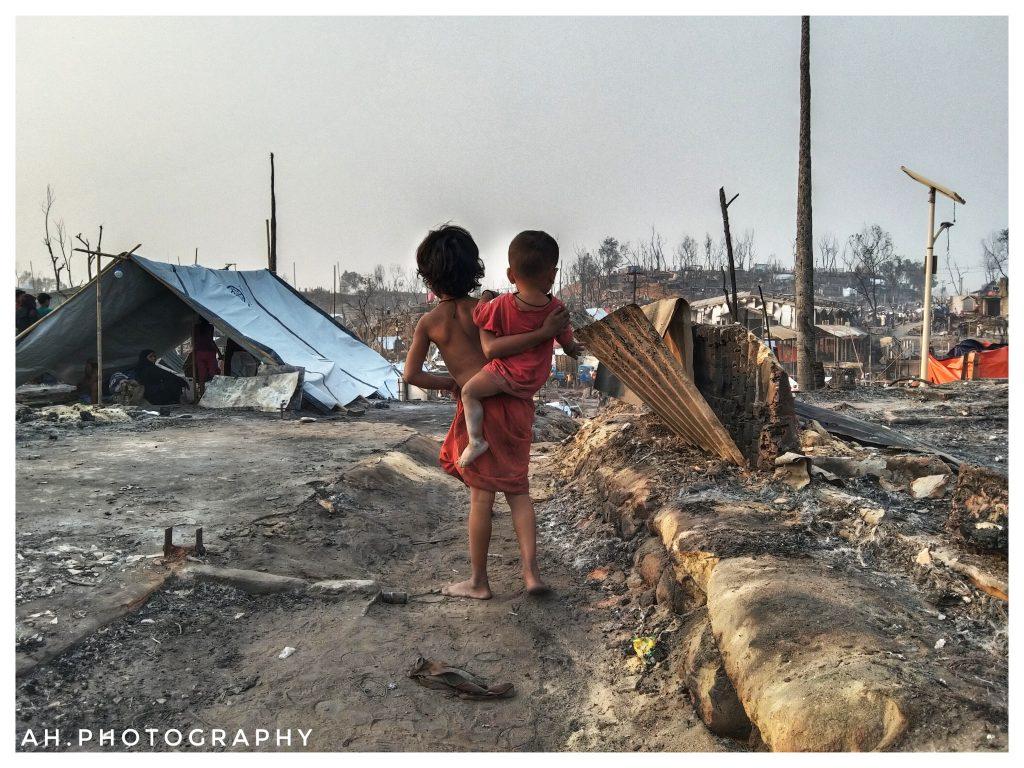
We Need Your Help: Burma Military Resumes Offensive, Rohingya Targeted
Burma Task Force is urging the public to call the offices of Secretary of State Rex Tillerson and the US Ambassador to Burma Scot Marciel among others. You can help us reach our goal of 10,000 calls this week. The Rohingya are in the crossfires of the Burmese military which has initiated yet ANOTHER military…
Ask The President Demand ASEAN To End Rohingya Genocide
In less than two weeks, the Association of Southeast Asian Nations (ASEAN), of which Burma is a member, will meet with President Obama in Sunnylands, California for a two day summit. This is an important opportunity for the President of our country to express the urgency with which ASEAN must act to end the genocide…
New Burma Leaders Follow Old Line About Muslim Citizenship
Despite all the hopes, the new Burmese government is following the same old hateful genocidal lines. The new Burmese minister of religion, Aung Ko (former member of the military regime), has described Muslims with the fictitious category of “associate citizens,” implying they are not “full citizens” with the same rights as their Buddhist neighbors. While…
CALL TODAY TO SUPPORT ROHINGYA THE MOST PERSECUTED MINORITY!
Download the PDF link by pressing the button at the bottom of the page. What happened: • A boat carrying Rohingya camp residents capsized, killing 22 passengers. • Using the name Rohingya, a practice adopted by President Obama thanks to Burma Task Force and your efforts, the US embassy in Burma released a statement expressing…
Burma Alert: Call Now To Save Lives!!
Yesterday one mosque, a Muslim school and a graveyard were destroyed close to Yangon, the largest city of Burma. At least 4 times your phone calls to the President Obama, Secretary Kerry, and the U.S. Ambassador to Burma Scot Marciel have forced the military to intervene to fend off the extremists attacks. Please call. In 10 minutes…
Rohingya Genocide Does Not Matter To Harvard!
Harvard will honor Aung San Suu Kyi as its “Humanitarian of the Year–2016” on September, 17! This is the same Suu Kyi who remained silent on the persecution of the Rohingya. Since achieving power, she has been condemned in editorials, in leading newspapers from around the world, and by human rights organizations, for the inhumane way…

#Unilever: Live Up To Your Commitment For Socially Responsible Investment. Pakistan Petition: Don’t Sell Jets To Burma Until It Ends Genocide Vs. Rohingya
Action Item: #Unilever: Live Up To Your Commitment For Socially Responsible Investment. Pakistan Petition: Don’t Sell Jets To Burma Until It Ends Genocide Vs. Rohingya It only takes a few minutes, please take the following actions: a. Rohingya activists have developed a campaign targeting corporations investing in Burma to live up to their proclaimed standards of…
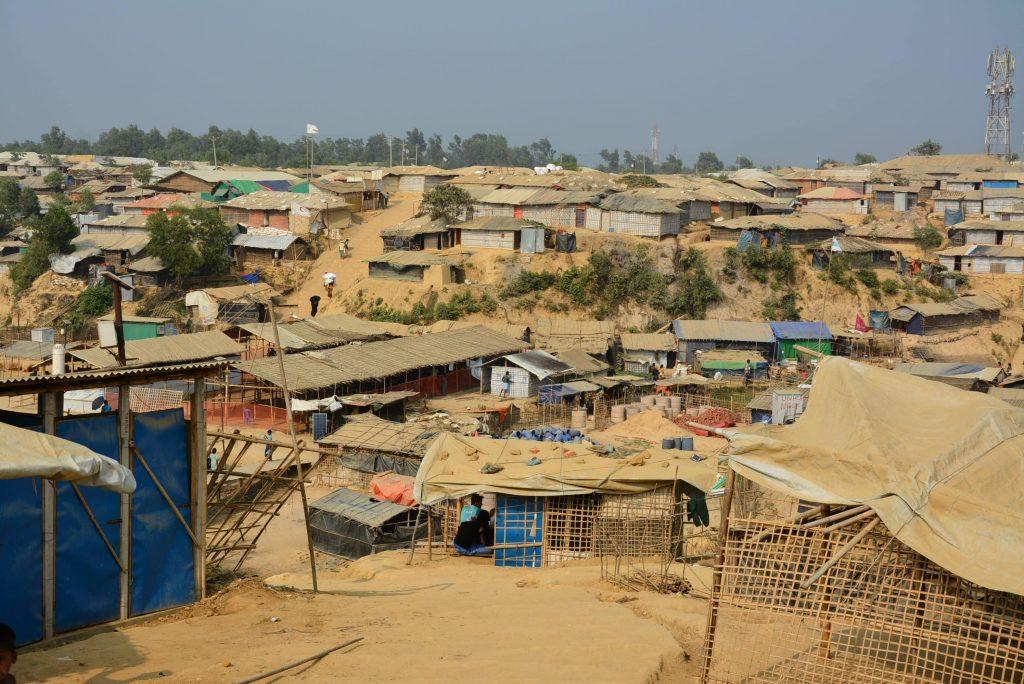
President Obama Must Speak Out For Rohingya
In the past President Barack Obama has affirmed the Rohingya identity and their basic right to “self-identify” in numerous world fora and in meetings with Burmese officials and dignitaries. We are at a critical moment in which the violence against the Rohingya has escalated and they need your help more than ever. After an attack…
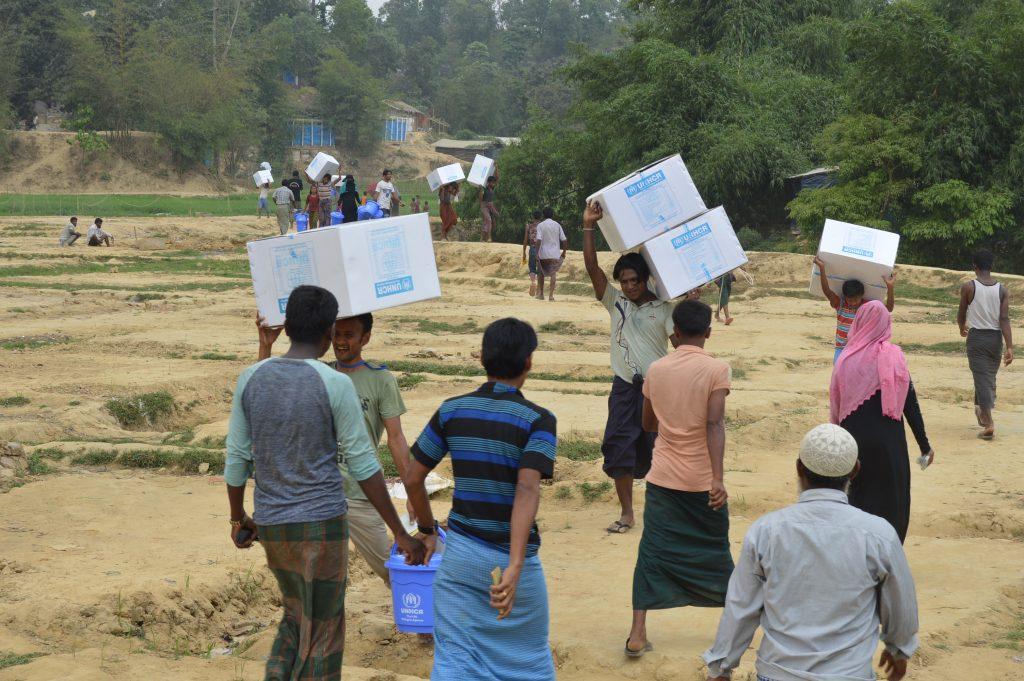
Burma Must Restore Desperately Needed Food Aid To Rohingyas
One of the outcomes of the wave of genocidal violence that the Rohingya have endured for decades, and ever more intensely since 2012 has been heightened levels of food insecurity and malnutrition for hundreds of thousands who depend on food aid from international agencies. For the past two weeks however that food aid has been…
Burma: Lift Food Restrictions On 80,000 #Rohingya
Life is being made into a living hell for the #Rohingya in Maungdaw. Download the action item below to help end the continued violence against them. DOWNLOAD PDF
End Censorship Of Journalists, You Can’t Hide Genocide!
The government is attempting to hide its war crimes. Let’s make sure they will not! Download the action alert below. DOWNLOAD PDF
Ambassador Marciel Visit Affected Rohingya In Burma
Calling on the Ambassadors of the United States and Canada to visit Northern Rakhine where Rohingya are being slaughtered. Such visits have been shown to calm tensions and stop attacks. Download action alert below.:
Action Alert: Myanmar Times Reinstate Fiona MacGregor!
As you know, the military of Burma has been committing atrocities in the name of cracking down on terrorism in Rakhine State. They’ve been raping civilians, killing suspects without trying them in court & burning whole villages. The only reason we know about this is because of the brave people who report the news for…
Malaysian Pressure On Burma Needs To Be Replicated By Others
Last week the Malaysian government spoke out clearly and forcefully for Rohingya rights in Burma. Prime Minister Najib Razak participated in mass demonstrations, summoned Myanmar's ambassador last week over the harsh recent crackdown on Rohingya and even canceled the national soccer team's friendly under-22 matches with Myanmar in protest. This response is very welcome news.…
BJP: Condemn Genocidal Rakesh Gupta
Action Items: BJP: Condemn & Charge Rakesh Gupta For Threatening To Kill Rohingya India has only settled 14,000 Rohingya refugees out of the 1.2 million who are displaced throughout the region and is now poised to deport 10,000 to Burma where they face persecution. Contact a. Indian Ambassador to the US: H.E. Navtej Sarna. Tel:…
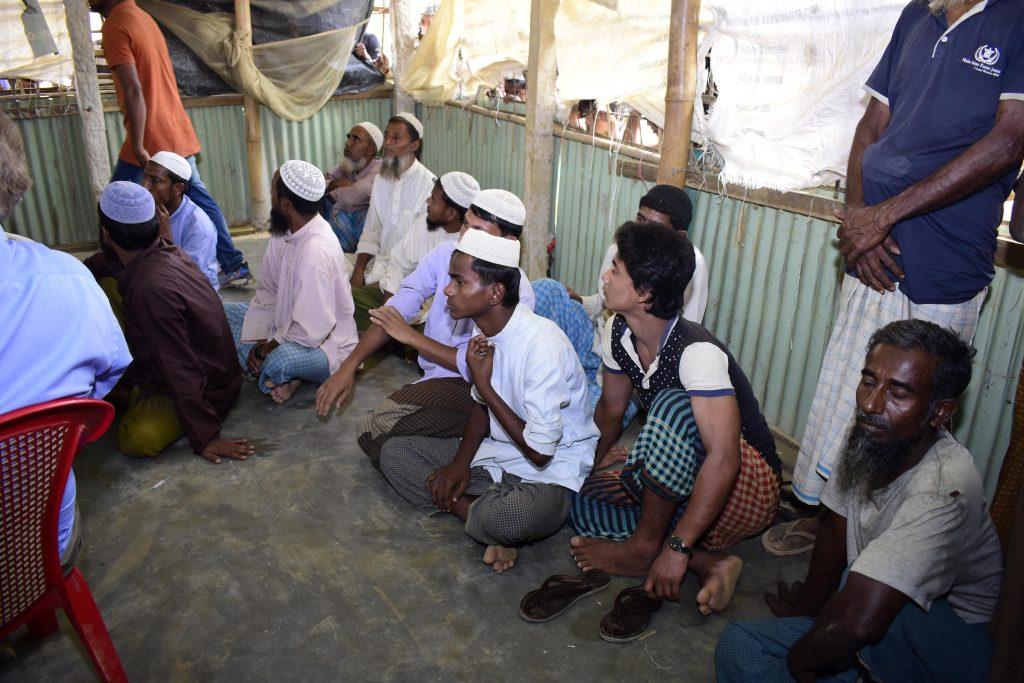
India: Do Not Deport Rohingya!
Action Items: India: Do Not Deport Vulnerable Rohingya! India has only settled 14,000 Rohingya refugees out of the 1.2 million who are displaced throughout the region and is now poised to deport 10,000 to Burma where they face persecution. Contact a. Indian Ambassador to the US: H.E. Navtej Sarna. Tel: 202 939 7010. Email: ambassadoroffice@indiagov.org. Facebook:Click here.Twitter: Click here. b.…
Take Action: #FreeMamedullah
#FreeMamedullah Salam, Arbitrary arrest and detention is a hallmark of the Burmese military and Border Police. In the recent “clearance operation” six Rohingya have died in custody, raising concerns of torture. Mamedullah, an innocent Rohingya man was beaten and detained, a picture of him and three other men was posted to Facebook by the Burmese President’s Office…

Telenor: Speak Up For Rohingya
b. Tweet and post to Facebook messages to Telenor. Ask them to take a public stand for the protection of the Rohingya and a return of their citizenship. Contact: Twitter accounts: @TelenorGroup; @Telenor_mm;@Telenor_TGS; @Sigve_telenor; @ABrodtkorb; @MaiOldgard; @ehbok. Facebook: TeleNor Group; Telenor Myanmar Talking Points: It is Telenor’s responsibility, and in their interest to speak out against the ongoing genocide of the Rohingya. Sign…
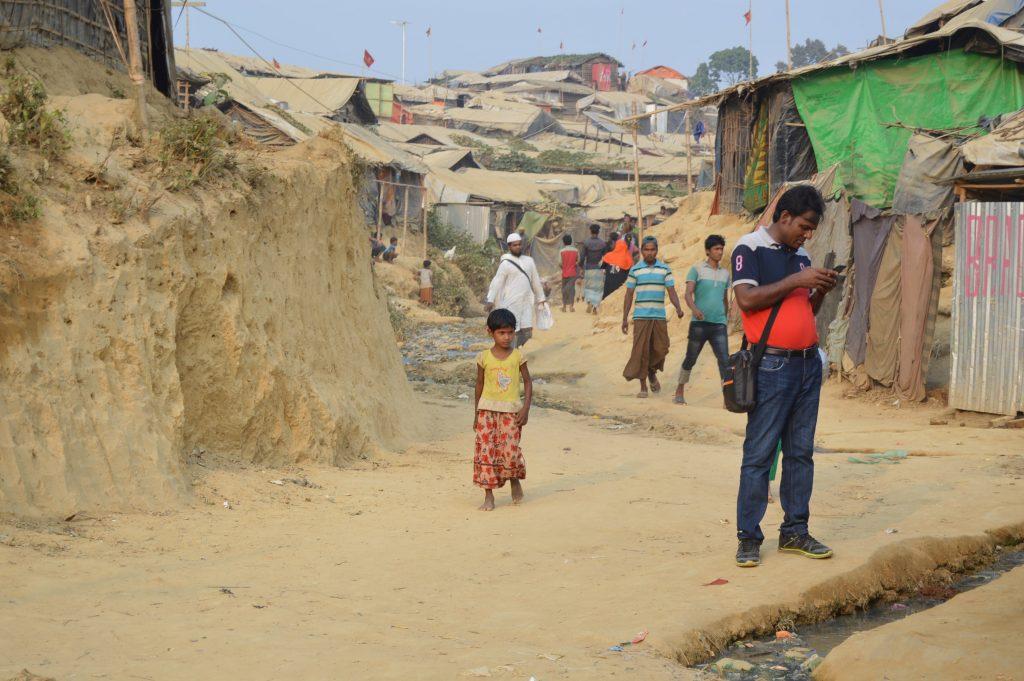
URGENT: Call Your Representative Now
Salam, An urgent 10-minute action is needed today, right now. Just a couple of calls will do. One should go to your representative’s DC office and another to his/her local office. And then forward this message to someone who cares for you. First Step: Click here to find out is your Congressperson’s local and DC office phone.…
Burma: Halt The Demolition Of Rohingya Mosques
A coalition of Rohingya Muslim groups in Burma/Myanmar have condemned the directive to demolish Muslim religious structures in Arakan State. The joint statement from the coalition states that the “demolition project is part of their long-drawn-out annihilation and ethnic cleansing policy of the defenceless Rohingya people.” “It is surprising that this sinister design was announced…
Don’t Repeat 2012: Burma Blames Rohingya For Attacks On Police Outposts
Since the advent of the War on Terror in 2001 the Burmese military has presented Muslims as a terrorist threat to the nation. In fact, the government has even stooped so low as to create an imaginary, fictional terrorist group to achieve this purpose as documented by The Intercept. This trackrecord is the backdrop for the claim made…
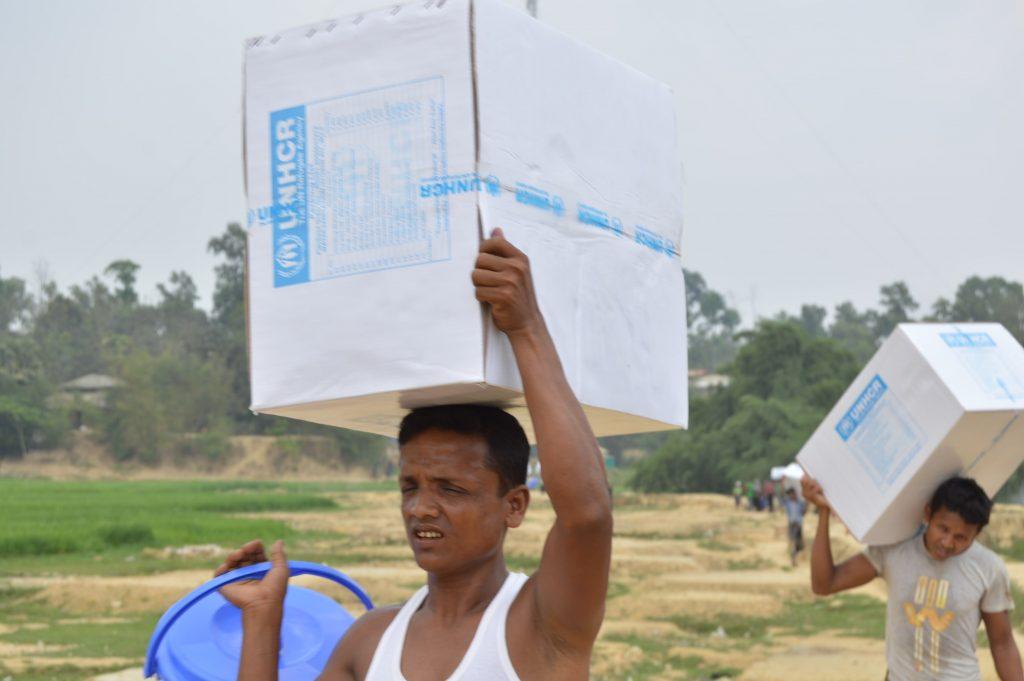
Tell The WFP It Should Reverse Its Decision To Halt Food Rations To Rohingya
The WFP has announced that it is slashing food rations in Rakhine state. Rakhine state is one of Burma’s poorest and suffers from endemic malnutrition. The Rohingya Muslims there have suffered the most. In IDP camps they were only getting enough food to survive: an allotment of food that is 200 calories less than what…

Harvard: Withdraw #SuuKYi As #HarvardHumanitarian Of The Year
Harvar Universities wrongheaded decision to honor Aung San Suu KYi has surprised many and made many of us ask the question, “what has she done to deserve such an award?” It seems no one cares for the Rohingya! President Obama decided to lift all sanctions at the urging of Suu Kyi, essentially rewarding her government…

#Suu Kyi To Meet With President #Obama To Discuss Sanctions Relief
President Barack Obama has been quite open in his support for the Rohingya peoples who face erasure of their identity and an on-going, slow-burning genocide. He has continuously used the name “Rohingya” even when Suu Kyi and others have refused or even asked governments not to, and for that him and his administration should be…
URGENT: Act To STOP Attacks On Rohingya In Northern Rakhine State
Download the file below on urgent action to stop the killing of Rohingya going on NOW in Rakhine. DOWNLOAD PDF
Amnesty International Makes A Grave Mistake
Salam, Thank you for your calls. Some sanctions on Burma are now a part of NDAA. The amendment passed with an impressive margin of 382 to 30 votes. Your activism matters. The united efforts of Burma Task Force truly matter. Please donate today generously. Donate your zakat this Ramadan to stop genocide of Rohingyas. Because…
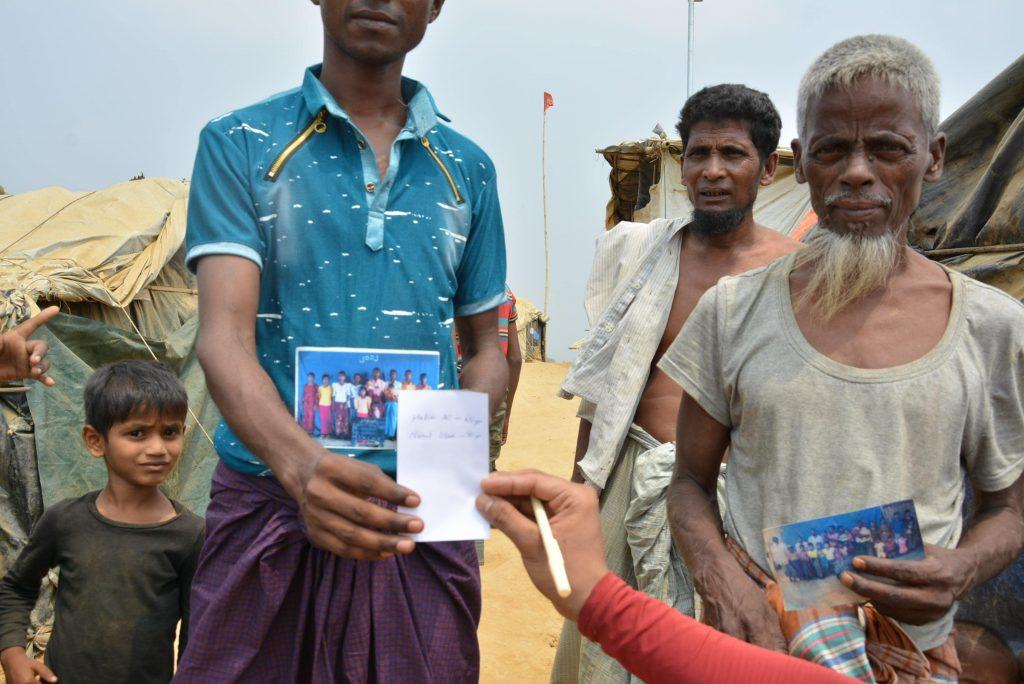
Oxford Paper Questions Whether Citizenship Will Benefit Rohingya
“The pre-colonial concepts of identity and the subsequent Burmanisation of the national identity paved the way for discriminatory legislation as well as state-sponsored and civilian human rights abuses. “ “Citizenship as a legal status, in and of itself, is not the answer to the Rohingya crisis, unless these accompanying issues are also taken into consideration.…
Wild Claims Used To Justify Continuing Genocide Of Rohingya
A Buddhist monk has made some outrageous claims in order to justify the ongoing ethnic cleansing and genocide of the Rohingya. “… claiming themselves as Rohingars, they are trying to demand a separate home land. They also burned their houses by themselves as if it was done by Burmese Buddhists.”- Sitagu Monk Nyanneisaya, 21 Aug…
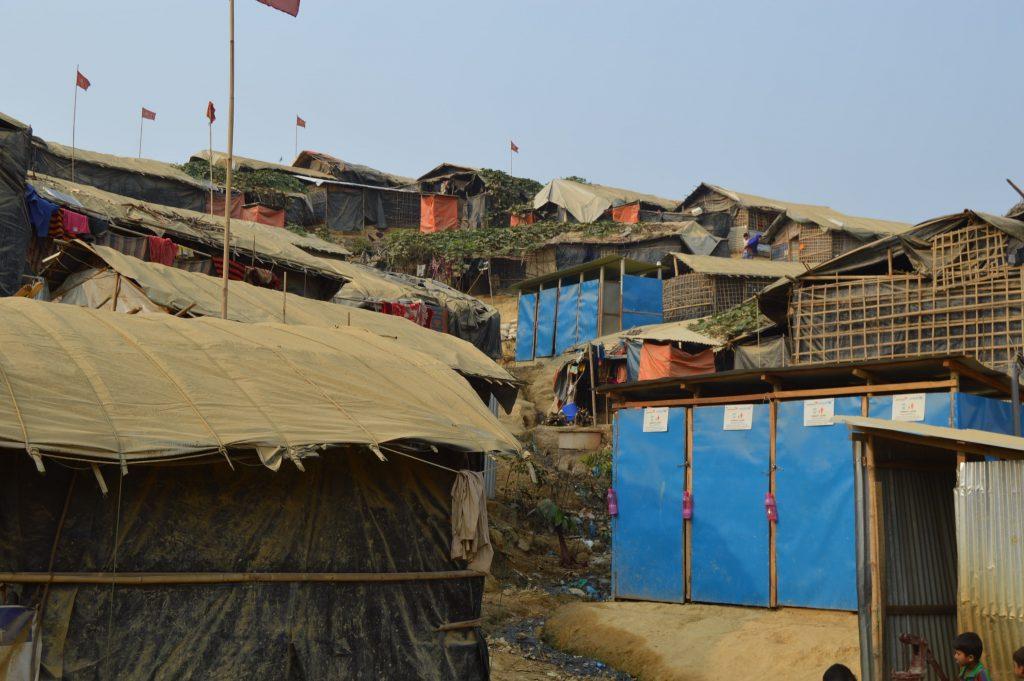
Document Outlines Myanmar Government’s Plan To Ethnically Cleans The Rohingya People:
The document describes how the government will deal with what it describes as “Bengalis who reject the ethnicity defined by Myanmar laws.” http://live-burmamuslimsorg.pantheon.io/sites/default/files/Action%20Plan_Eng_07072014.pdf
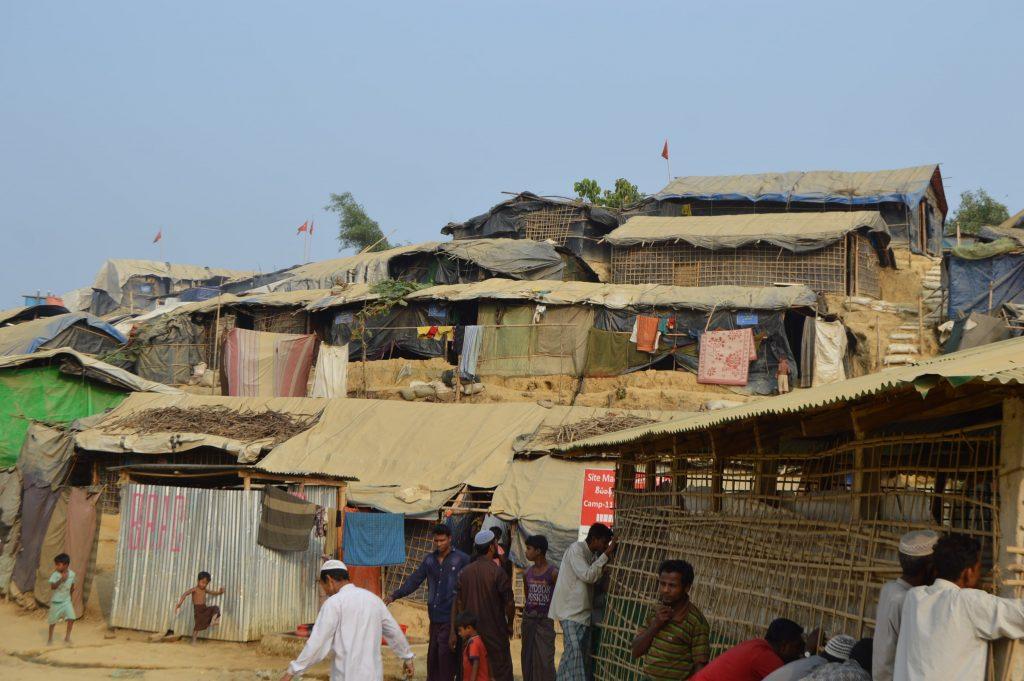
Borders, Bureaucracy And The Rohingya Crisis – Analysis
Tim Frewer, a phD candidate at the University of Sydney has written a must read comprehensive essay on Burma that tackles a number of issues related to state sovereignity, colonialism, post-colonialism, the role of neo-liberal capitalism and the plight of the Rohingya. As hordes of experts and analysts fumble through the politics of the Rohingya…
Amnesty 2016 Report: “Rohingya Face Increased Discrimination”
Amnesty International’s 2016 country report for Burma noted the failure of Burmese authorities to address or put an end to “rising religious intolerance,” particularly against Muslims. The report highlighted discriminatory laws and legislation passed under the regime of President Thein Sein and also the generally deplorable and regressive state of affairs for minorities who face…
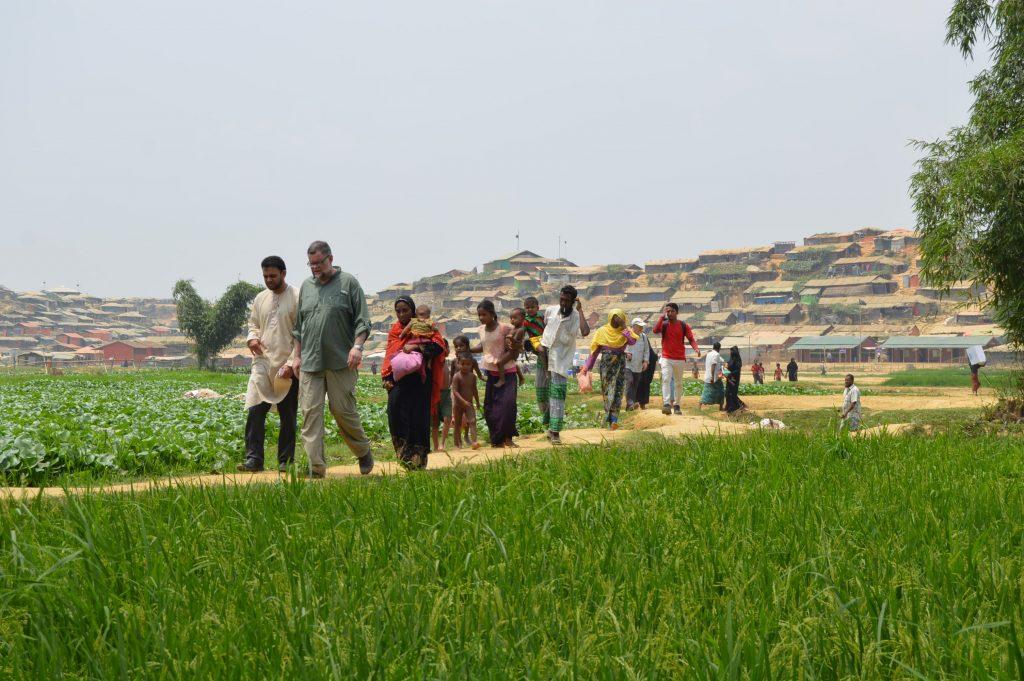
UN Report Details ‘Devastating Cruelty’ Against Rohingya Population In Myanmar’s Rakhine Province
3 February 2017 – In a report issued today, the United Nations human rights arm said that the widespread human rights violations against the Rohingya population by Myanmar’s security forces in the country’s northern Rakhine state indicate the very likely commission of crimes against humanity. The flash report – released today by the Office of the UN High…
Report Of The Independent International Fact-Finding Mission On Myanmar
https://www.ohchr.org/Documents/HRBodies/HRCouncil/FFM-Myanmar/A_HRC_39_64.pdf
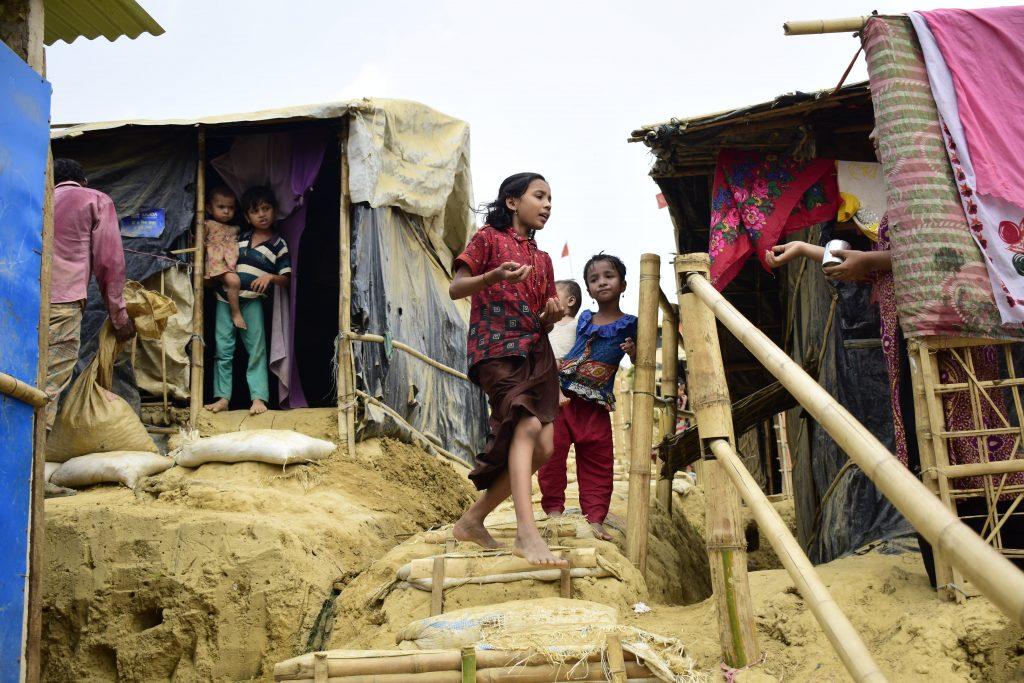
Burma Undergoes Long Overdue Census
“The first census in over thirty years began in Burma on 29 March. The UK is contributing £10 million to the census as a critical step in Burma’s development process. It will provide the authorities with much-needed information on where services and infrastructure, such as schools, roads and hospitals, are most required. We were, however,…
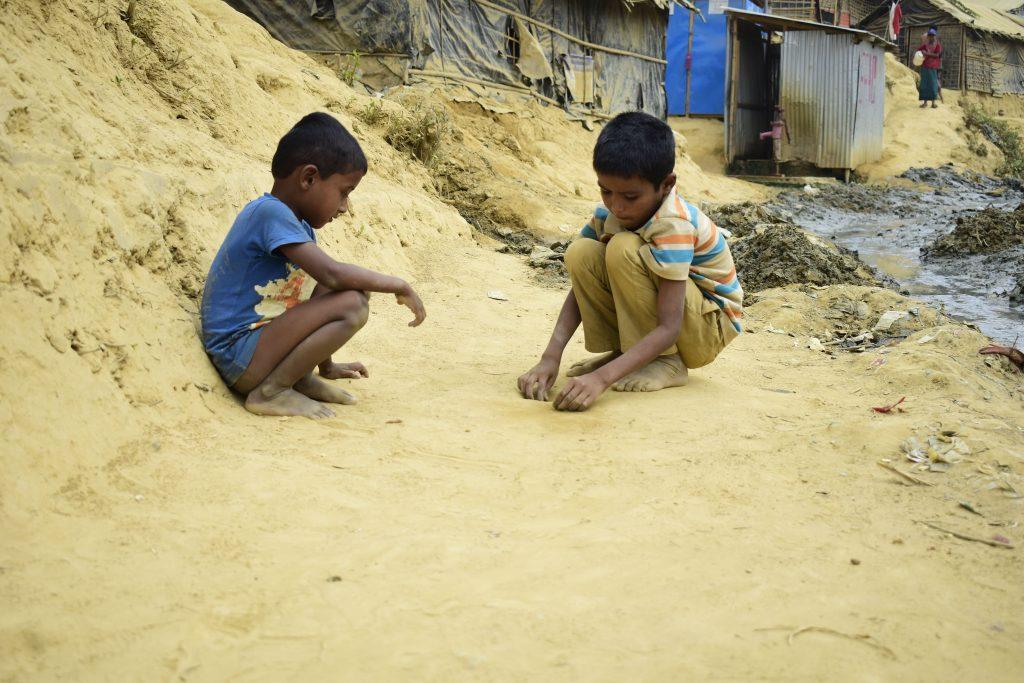
Humanitarian Crisis Ongoing In Burma
“The continuing humanitarian and human rights crisis in Rakhine State was the most troubling exception – and threat – to the country’s progress during the year. Although the government provided some short-term humanitarian support to affected populations, it did little to address the root causes of the violence or to fulfill its 2012 pledge to…
Insights From USCIRF’s Visits To Burma And Bangladesh
The US Commission on International Religious Freedom released its troubling new update on Burma Written By: Tina L. Mufford, Senior Policy Analyst United States Commision on International Religious Freedom (Introduction to the Report): In November 2017, USCIRF Commissioners and staff traveled to Burma (also known as Myanmar) to meet with government officials, civil society, and religious representatives…
The Slow Burning Genocide Of Myanmar’s Rohingya
Maung Zarni and Alice Cowley |University of Washington | June 2014 Abstract: Since 1978, the Rohingya, a Muslim minority of Western Burma, have been subject to a state-sponsored process of destruction. The Rohingya have deep historical roots in the borderlands of Rakhine State, Myanmar, and were recognized officially both as citizens and as an ethnic group…
The Threat To Burma’s Minorities
Harvard Gazette | November 7, 2014 | By Alvin Powell, Harvard Staff Writer Burma’s Rohingya people are being slowly squeezed from their homeland by decades-long government policies that critics say deny them citizenship, health care, work, and schooling, with such tactics punctuated by killings, destroyed homes, and tens of thousands sent to camps.That was the picture painted…

April 2017: USCIRF Recommendations For Burma
The U.S. Commission on International Religious Freedom (USCIRF) has made a number of recommendations regarding Burma for the US government. The Burma Task Force (USA) is involved in presenting and engaging the USCIRF regarding these critical issues as it relates to Burma. • Continue to designate Burma as a CPC under IRFA; • Enter into a binding…
Persecution Of The Rohingya Muslims: Is Genocide Occurring In Myanmar’s Rakhine State? A Legal Analysis
Allard K. Lowenstein International Human Rights Clinic at Yale Law School | October 2015 | by Alina Lindblom, Elizabeth Marsh, Tasnim Motala, & Katherine Munyan This legal analysis considers whether the ongoing attacks on and persecution of the Rohingya Muslim population in Myanmar constitute genocide, as defined by the 1948 Convention on the Prevention and Punishment of the…
UN Report On Sexual Violence Highlights Entrenched Rape Culture In Burma Security Forces
Find the full report here. The Myanmar (Burma) section of a recent report on sexual violence is quite explicit about how entrenched rape culture is within the Burmese military. The Rohingyas, along with other vulnerable ethnic minorities have faced the brunt of such violence. MyanmarSexual violence continues to be underreported in Myanmar owing to entrenched…
Reworking The Colonial Era Indian Peril: Myanmar’s State-Directed Persecution Of Rohingyas And Other Muslims
Written By: Maung Zarni and Natalie Brinham An important essay by Dr. Maung Zarni and Natalie Brinham, published in the Brown Journal on World Affairs which looks at the history and re-working of old racist tropes and motifs into new ones by the state of Myanmar as it sanctions oppression against Rohingyas and other Muslims. Those who…
Myanmar: International Accountability Needed For Military-Planned Genocide Against Rohingya
FORTIFY RIGHTS | July 19, 2018 Report finds “reasonable grounds” for ICC arrest warrants, identifies 22 military and police officials. (BANGKOK and COX’S BAZAR, July 19, 2018)—The Myanmar authorities made “extensive and systematic preparations” for attacks against Rohingya civilians during the weeks and months before militants attacked police on August 25, 2017, Fortify Rights said in…
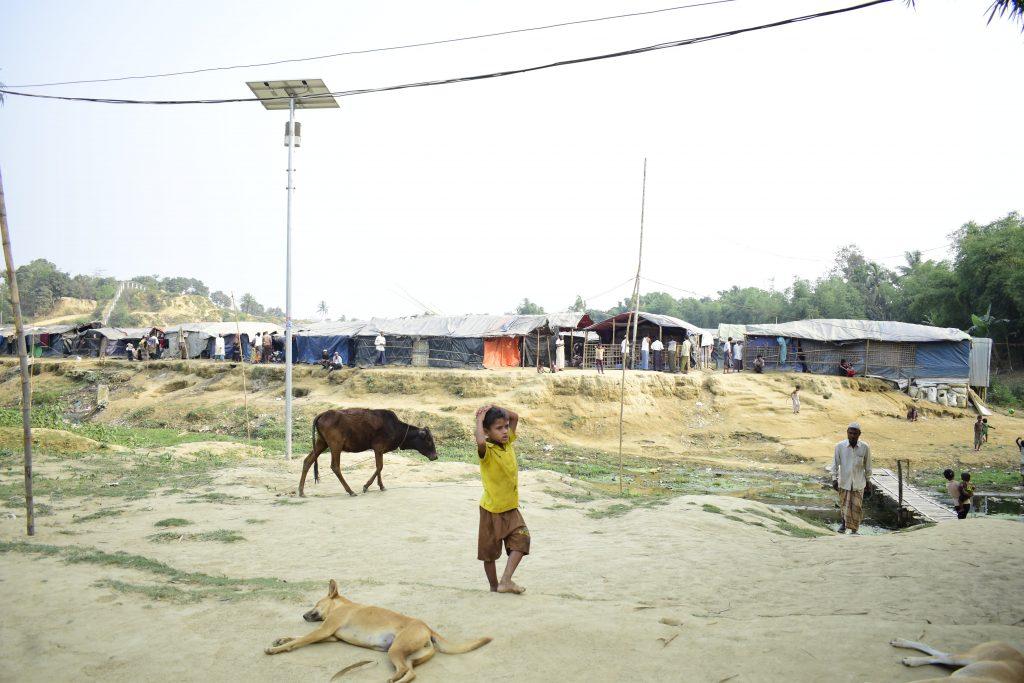
New Report: Rohingya In ‘Final Stages Of Genocide’
Last year, several distinguished institutions released reports/studies on the persecution of the Rohingya Muslims by the Burmese government. Two of the most prominent and well covered report were ones by Yale Law School-Fortify Rights and Queen Mary University’s State Crime Initiative Study. Both studies described the persecution of the Rohingya as fitting the process of…
Report Of The Independent International Fact-Finding Mission On Myanmar
https://www.ohchr.org/Documents/HRBodies/HRCouncil/FFM-Myanmar/A_HRC_39_64.pdf
The Safe Zone Concept
Written By: P. Adem Caroll The Safe Zone Concept Thoughts Towards a Creative and Effective Application in The Rohingya Crisis Burma Task Force White Paper Series “I thank the members of the Security Council and also, the Secretary-General for their proactive attempts to stop atrocities and bring in peace and stability in the Rakhine State of…
Burma Task Force Protests Suu Kyi Visit
Published Oct. 4, 2012 in New American MediaBy Shwanika Narayan SAN FRANCISCO – Among the crowds gathered at the University of San Francisco to greet Nobel Peace Prize winner Aung San Suu Kyi last week was a small coterie of Muslim and Burmese activists. They were there not to celebrate the visit by the veteran…

Press Release – 7 Nobel Peace Laureates Call Rohingya Persecution A Genocide
Oslo, Norway, May 28, 2015 – A two-day conference focusing on ending the persecution of Burma’s Rohingyas concluded today, with a call from seven Nobel Peace Laureates to describe the Rohingya plight as nothing less than a genocide. In his pre-recorded address to the conference, Desmond Tutu, leader of South Africa’s anti-apartheid movement in the…
Press Release: Addressing Genocide, Summons Issued By US Court In Suit Against Myanmar President
FOR IMMEDIATE RELEASE October 1, 2015 New York City: The US Federal Court for the Southern District of New York issued summonses against Burma/Myanmar President Thein Sein and government ministers in a lawsuit regarding their role in genocidal policies targeting the Rohingya, a Muslim minority in Burma, to coincide with the government…
Burma Task Force Press Release: Burma Elections Are Not Democratic
FOR IMMEDIATE RELEASE November 9, 2015 Chicago, Illinois. Yesterday Burma (Myanmar) finally held a national election. Even before the results are confirmed, news stories are already celebrating the movement towards democracy as a success. “However, with three quarters of a million human beings disenfranchised from the vote, is this really a free and fair election?”…
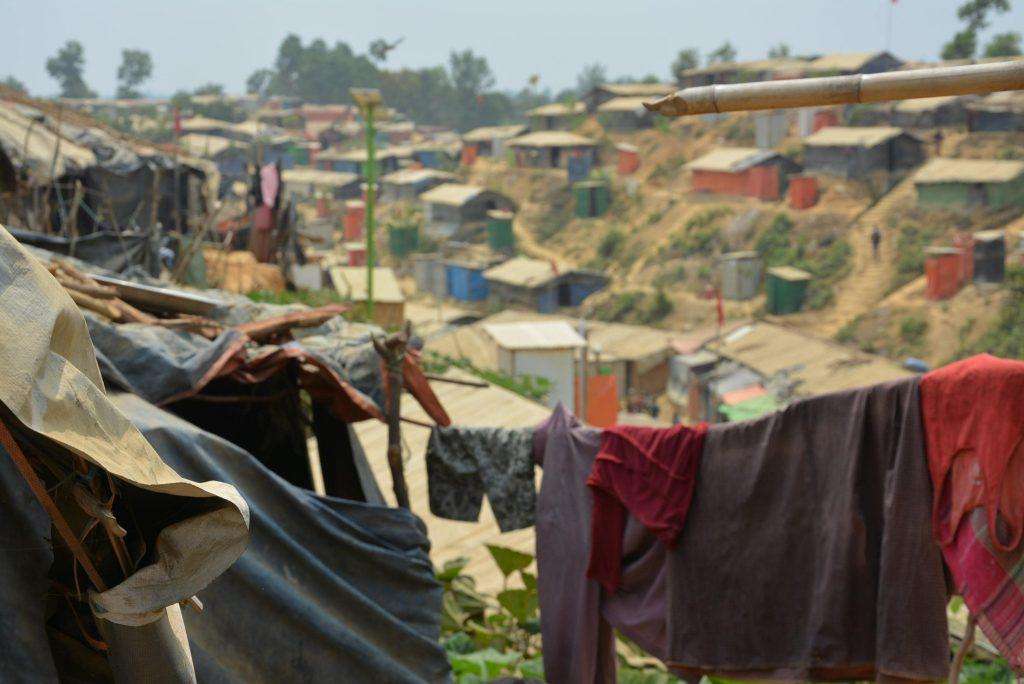
Despite “Democratic” Election Hype, Life For Burmese Muslims Likely To Only Get Worse
By Staff Writer On November 8th, many Burmese suffered long lines at polling booths across the nation to vote in elections that are being heralded by world media as “historic,” “fair” and “democratic.” Political leaders have been doing the same: President Barack Obama called them “free and fair,” PM David Cameron described them as a…
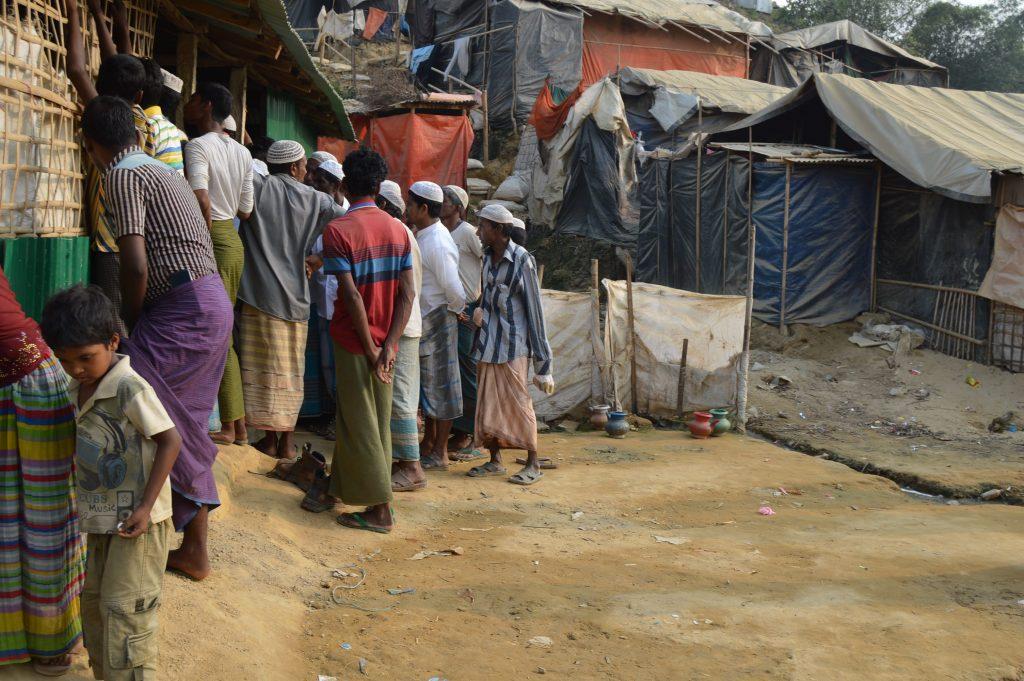
Burma Task Force: UN Panel On Burma’s Elections
On January 14, Burma Task Force co-sponsored an event at the United Nations about last year’s November elections in Burma that brought victory to the National League for Democracy (NLD), which took its seats in parliament today, the 1st of February, 2016. The panel was titled, “Myanmar Elections: Illusory Victory or Hope for Human Rights?”…

Behind The Reasons Why President Thein Sein Canceled His ASEAN Trip
Last year in Kuala Lampur, Malaysia, President Barack Obama announced that he would convene a summit of the Association of Southeast Asian Nations (ASEAN). Late in December the White House set the date for the summit, Feb.15-16 2016 at the “Camp David of the West Coast,” Sunnylands, California. President Thein Sein of Burma was among…
As Democracy Takes Hold, Areas Of Improvement Come Into Focus
What do you think of when you hear the word “democracy”? Voting, certainly – an activity which has been consuming Americans this primary election season. But voting is meaningless without basic rights and liberties. So despite the fact that Burma just democratically (well, mostly) elected a new President, they’re lagging far behind the world’s expectations…
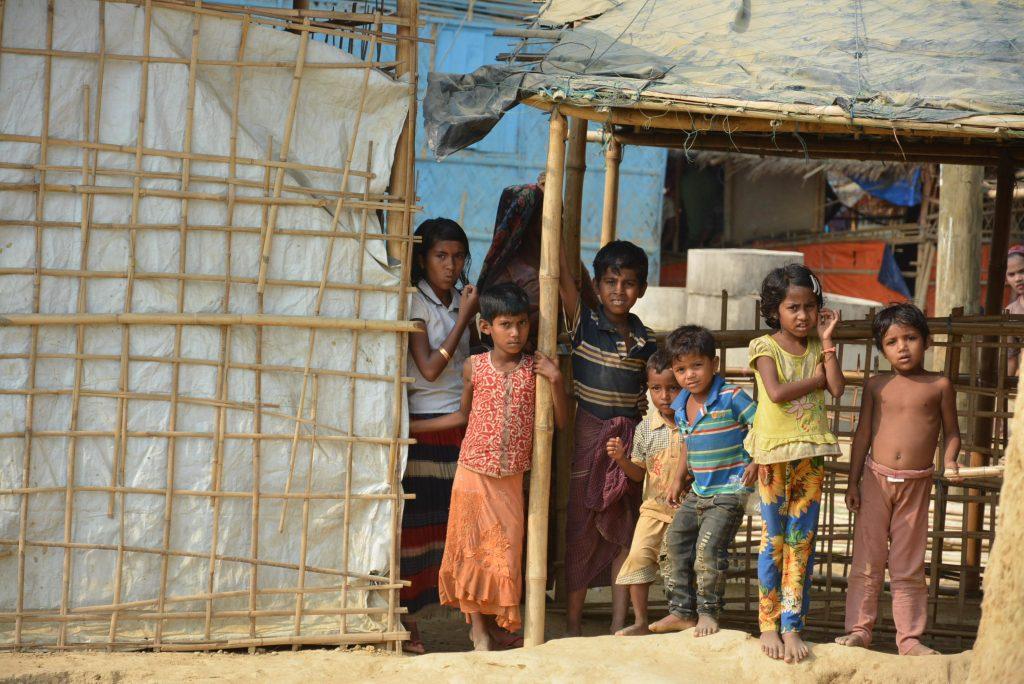
For Immediate Release: August 18th, 2016
World Rohingya Day to Raise Awareness of Rohingya Plight in Burma Mississauga, Ontario – Burma Task Force, a leading voice against genocide in Burma, invites all Canadians to a peaceful demonstration on World Rohingya Day, Friday, August 19th, 2016, from 5 PM to 7 PM at the Mississauga Celebration Square, 300 City Centre Drive, Mississauga,…
Rohingya Refugees Rescued In Indonesian Waters
More Rohinyga who are desperately fleeing Burma by boat were found in the Aceh province of Indonesia. Like others who were previously rescued by the Sri Lankan navy, this group said Thai officials sabotaged their boat and later shot at them while they were at sea. “We want to stay in any country with Muslims.…
A Brief Assessment Of The Official Report Of Myanmar’s Rohingya Ethnic Cleansing Inquiry Commission
Written By: Maung Zarni I have followed this Inquiry Commission since its inception on 17 August. I have done so not simply because it was presided over by my old history teacher at Mandalay University in 1982 or that its secretary was my beer-buddy when he was a fresh arrival at Cornell in the fall of…

Burma Task Force Asks The UN Security Council To Do More To Stop Genocide Of Rohingyas
Press Release 7 November 2017 Burma Task Force Asks the UN Security Council to do more to stop genocide of Rohingyas Chicago, IL. – November 7, 2017 – Burma Task Force welcomes UN Security Council resolution 13055, condemning Myanmar in strong terms for widespread violence that has displaced over 600,000 Rohingya forced to flee to Bangladesh.…

Burma Banned UN Rapporteur From Entry
Written By: Tauseef Akbar Burma has banned UN Special Rapporteur Yanghee Lee from her January visit to “assess the human rights situation” across the country. Burma is shamelessly attempting to cover-up horrific war crimes against minorities, especially its genocide against the Rohingya. Just yesterday the government arrested two Reuters reporters who uncovered mass graves of Rohingya…
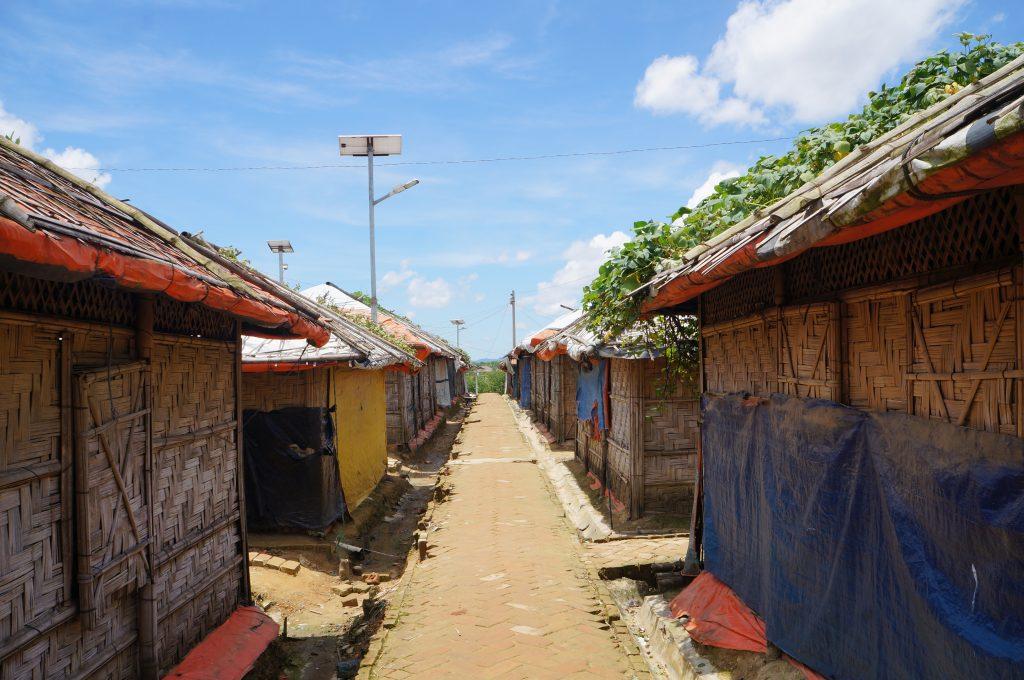
I Will Hold You Accountable
Written By: Raees TinMaungNu It was late evening at the refugee camps of Kutupalong and I was about to begin my last interview of the day. The room was tiny and cramped but so was the entire dwelling; one of the thousands of crammed mud dwellings at the camps. The air was dense and smoggy even…
International Criminal Court
The Myanmar government has repeatedly demonstrated its unwillingness to restore citizenship to over a million Rohingya Muslims. Without citizenship, basic rights to security, property, and livelihood are effectively non-existent. Rohingya refugees will not simply return to a situation in which their very lives are in jeopardy because of ethnic and religious hate that is directed at them.…
Genocide Against Rohingyas Must Be Punished & Prevented
AsSalamu Alaykum, You will be pleased to know that the barrister retained by Burma Task Force has now filed with the International Criminal Court (ICC) on behalf of the Rohingya victims of Burmese genocide. Read the filings • Other ICC case documents This would not have been possible without your support. When we talk to Rohingya refugees…
Burma Task Force Applauds U.S. House For Acting On Atrocities In Burma By Passing H. Res. 1091
House Resolution 1091 Declares Horrific Treatment of Rohingya a Genocide and Calls on State Department to Issue Legal Determination WASHINGTON, DC— Today, the Burma Task Force applauds U.S. House of Representatives for voting in favor of H.R. 1091, a bipartisan measure that declares the Burmese military’s atrocities against the Rohingya Muslim minority genocide. The House…
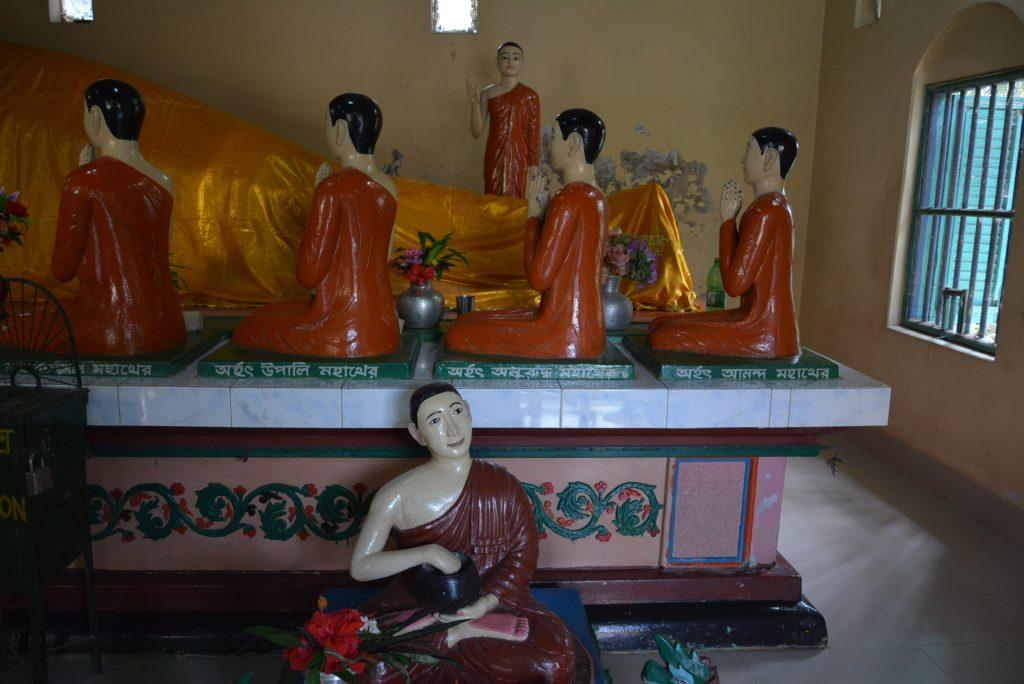
Wirathu’s Views
The Saffron-robed man Wirathu, whom Time magazine dubbed “The Face of Buddhist Terror” (in Burma), explained his view about the world’s Muslims in general and Muslims of Burma in particular at the congregation held at Moe Gaung Monastery, Mandalay, Burma (Myanmar), on 6 July 2014. Wirathu’s worldview: In his own words from 00:00 till 02:45…
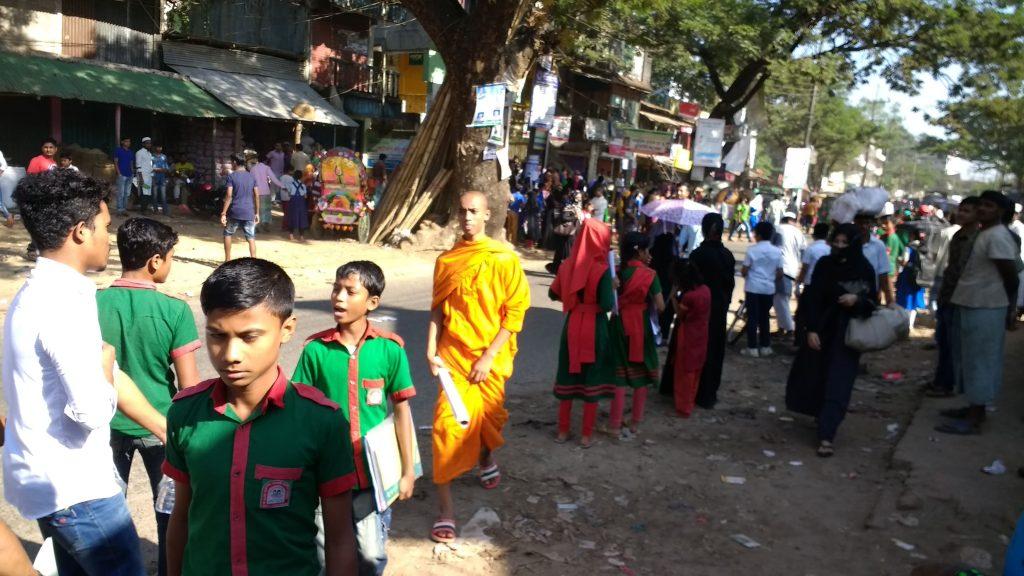
Burmese Monk Saves 800 Muslim Lives
Here is a Buddhist monk who acts like one: Out of compassion and courage U Wi Thode Da from Ra Da Na Oo Monastery in Meikhtila saved 800 Burmese Muslims who took refuge in his monastery when their community in Meikhtila was violently attacked and massacred by state-backed mercenaries in March 2013. 95% of the comments on the…
Racism And Organized Islamophobia: Tribunal Hears Testimony Of Persecution Of Myanmar’s Rohingya And Non-Rohingya Muslim Groups
Press Release – September 20 Beginning on September 18, 2017 the Permanent People’s Tribunal on Burma has been meeting in Kuala Lumpur, Malaysia, to listen to testimonies regarding the Myanmar government’s responsibility for crimes against humanity against both Rohingya and Kachin minorities. The third day of the People’s Tribunal on Myanmar’s ‘Crimes Against Humanity’ featured…

Chairman Ed Royce Urges Burma’s Military To De-Escalate Operation
The Chairman of the House Foreign Affairs Committee Ed Royce has consistently spoken out against Burma’s persecution of the Rohingya. A Press Release from his office on August 21st, reiterated the importance and priority of human rights as a precondition for improving US-Burmese relations, as well as highlighting Burma’s history of repression. Washington, D.C. –…

Worldwide Rallies Protest Genocide Against Rohingya Muslims
Burma Task Force has organized worldwide rallies and demonstrations in the past week demanding Myanmar stop its genocidal atrocities against Rohingya Muslims, demonstrators also called on their governments take urgent action to stop the violence. The protests were organized in response to a military-Buddhist militant combined operation that has forced half a million Rohingya Muslims to…
India’s Right-Wing Government Declares It Will Deport All Rohingya
In April, India announced plans that it would deport thousands of Rohingya back to Burma. At the time Burma Task Force called on the government to continue to respect the UNHCR mandate regarding refugees from Burma and not deport them back to their nation where they face imminent violence. Unfortuantely, these calls were not heeded and the…

Burma Task Force: As Desperate Refugees Flee Destruction, Bangladesh Must Lift Boat Ban Preventing Rescue Of Stranded Rohingya
October 9, 2017 – Since October 1st, thousands of Rohingya have been stranded on Myanmar’s beaches, waiting for rescue, but boats cannot arrive because Bangladesh’s government has banned fishing boats from operating in the bay. Bangladesh says this is for the protection of the spawning of rare fish, and additionally to clamp down on drug trafficking.…
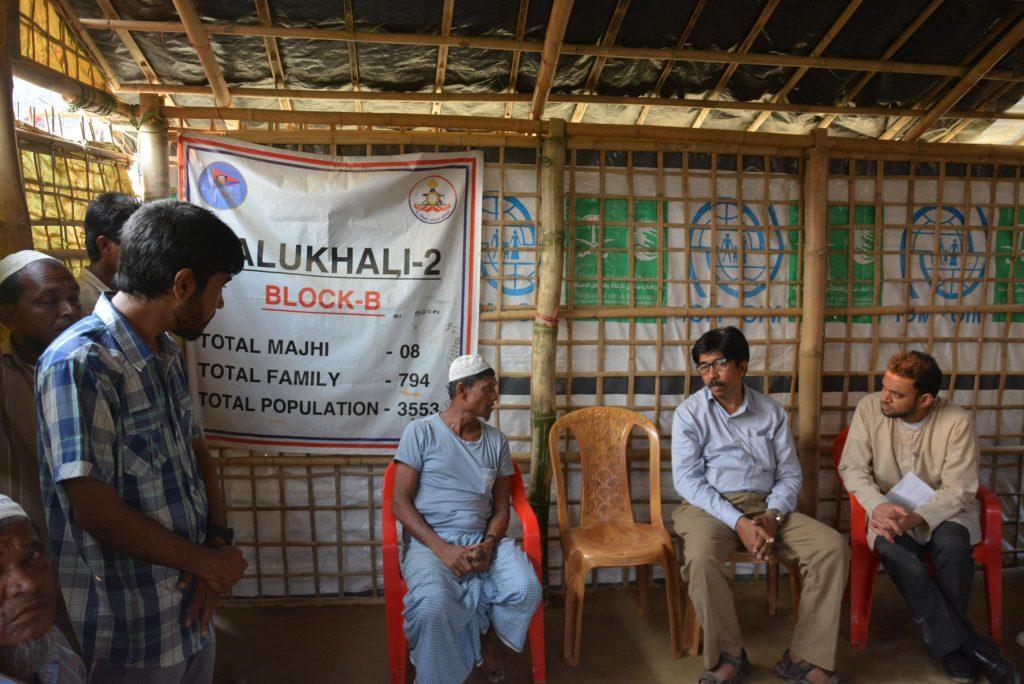
Canada: Sub-Committee On Human Rights Hearing On Rohingya Crisis
On Tuesday, Apr 4, 2017, Ahmed Ramadan, the Outreach Coordinator for The Burma Task Force Canada was invited to speak at The Centre Block, the main building of the Canadian parliamentary complex on Parliament Hill, in Ottawa, Ontario. A presentation was given to the Subcommittee on International Human Rights of the Standing Committee on…
U.N. Criticizes Burma Plan To Resettle Rohingya In ‘Camp-Like’ Villages
The United Nations’ refugee agency has criticized a Myanmar government plan to resettle Rohingya Muslims displaced by recent violence in “camp-like” villages, saying it risks stoking tensions, according to a document seen by Reuters. The plan – confirmed by a senior state-level official – has sparked fear among residents that they would end up penned…
Peoples’ Tribunal Indicts Myanmar Leaders For Genocide Against Rohingya, Atrocities Against Kachin
By Tauseef Akbar Viewers from 38 countries, across six continents watched the culmination of the first Peoples’ Tribunal on Myanmar: a swift indictment against the leaders of Myanmar’s government for the crime of “genocide” against the Rohingya, and atrocity crimes against the Kachin minorities. On the indictment, Dr. Helen Jarvis, formerly of the Khmer Rouge…
House Foreign Affairs Committee Leadership Calls On Administration To Recognize Rohingya Genocide
February 27, 2019 WASHINGTON—Representative Eliot L. Engel, Chairman of the Foreign Affairs Committee, led a bipartisan group of members in calling on the Trump Administration to formally designate the Burmese military atrocities against the Rohingya people as genocide. In a letter to Secretary of State Mike Pompeo on February 15, the members urged the Department to follow the lead of…
Burma ICJ Compliance – May 2020 Report
Introduction As a program of the human rights advocacy organization Justice for All, Burma Task Force has been examining Burma’s compliance with International Court of Justice (ICJ) directives to protect the Rohingya minority from genocide and to ensure accountability. On January 23, 2020, the International Court of Justice (ICJ) issued four “provisional measures” directing the government…
Burma and ICJ Compliance – April 2020 Report
Introduction The Rohingya people of Rakhine State, Burma, have suffered from years of discriminatory legal treatment and wholesale marginalization, mass displacement, mass atrocities and war crimes that in sum amount to Genocide. As a program of the human rights advocacy organization Justice for All, Burma Task Force has been examining Burma’s compliance with ICJ directives to…
DONATE ZAKAT: HELP THE ROHINGYA
Burma Task Force is the top organization providing advocacy for the Rohingya people. Your Zakat will help us save lives in 2020. Please donate now. For information, articles and blogs checkout: https://burmataskforce.org Burma Task Force is a project of Justice or All. Follow | Like | Share | Burma Task Force on social media:facebook.com/BurmaTaskForce twitter/BurmaTaskForce…
Burma and ICJ Compliance – March 2020 Report
On January 23, 2020, the International Court of Justice (ICJ) issued four “provisional measures” directing the government of Burma (Myanmar) to protect the Rohingya minority from the crime of Genocide. The Burmese government is now required to submit an initial report after four months and thereafter at 6-month intervals, detailing efforts to implement these legally…
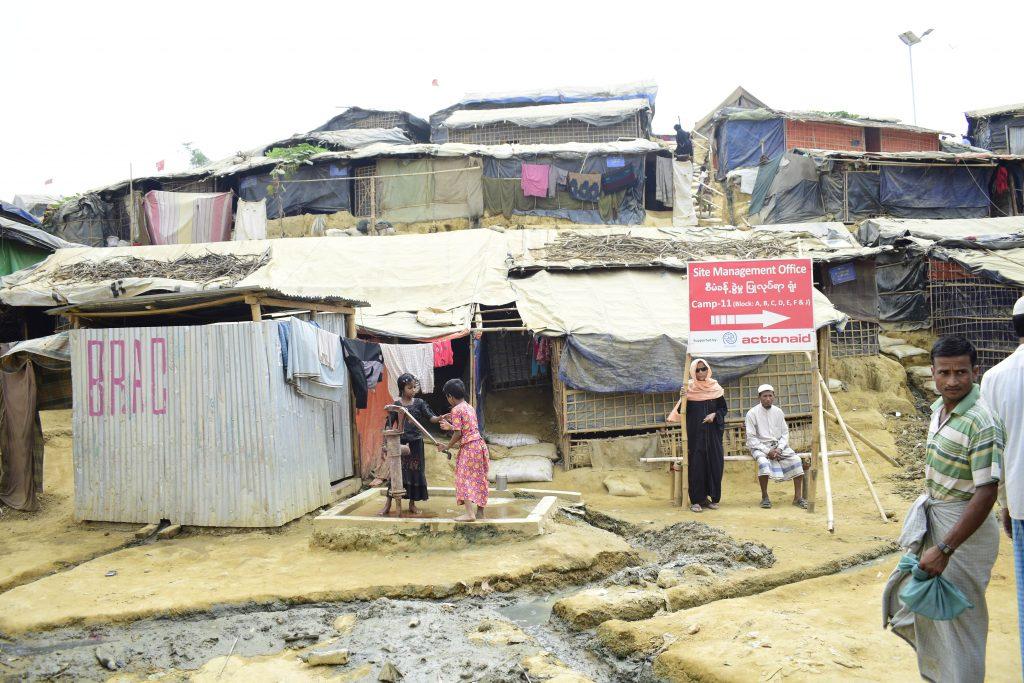
Bangladesh Urged to Lift Telecom Ban on Rohingya Camps to Ease COVID-19 Risks
FILE – Rohingya refugees gather at a market inside a refugee camp in Cox’s Bazar, Bangladesh, March 7, 2019. Fearing the devastation that coronavirus could wreak in refugee camps, a group of 50 humanitarian and advocacy organizations sent an open letter Thursday appealing to Bangladesh’s government to lift its telecommunications restrictions on Rohingya refugee settlements.…
We Are Burma Task Force
Burma Task Force USA was established by the US-based nonprofit Justice for All to advocate for the Rohingya Muslim minority group in Burma, the most persecuted people in the planet.
Burma And ICJ Compliance – February 2020 Report
On January 23, 2020, the International Court of Justice (ICJ) issued four “provisional measures”22 directing the government of Myanmar to protect the Rohingya minority from the crime of Genocide.At the request of the ICJ, the government of Myanmar is now required to submit an initial report after four months and thereafter at 6-month intervals, detailing…
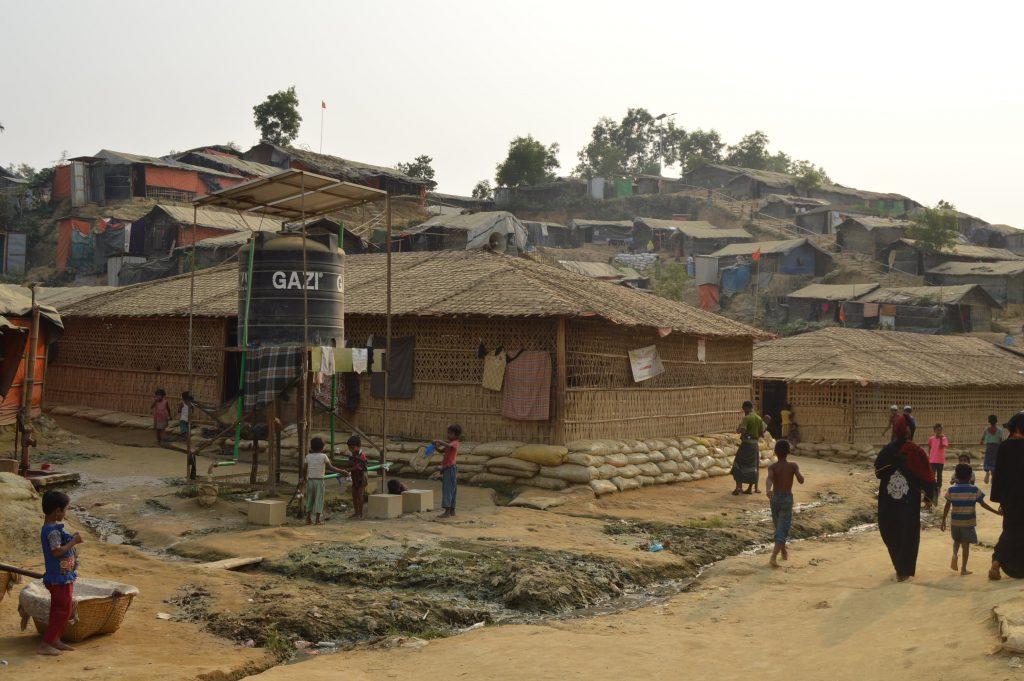
The Tula Toli Massacre
The Chairman of Burma Task Force, Imam Malik Mujahid visited new refugees in Burma at the end of August this year. The human suffering he encountered was extraordinary, in the midst of this he heard the story of Tula Toli, a village that was burned to the ground with over 1,000 of its inhabitants massacred.…
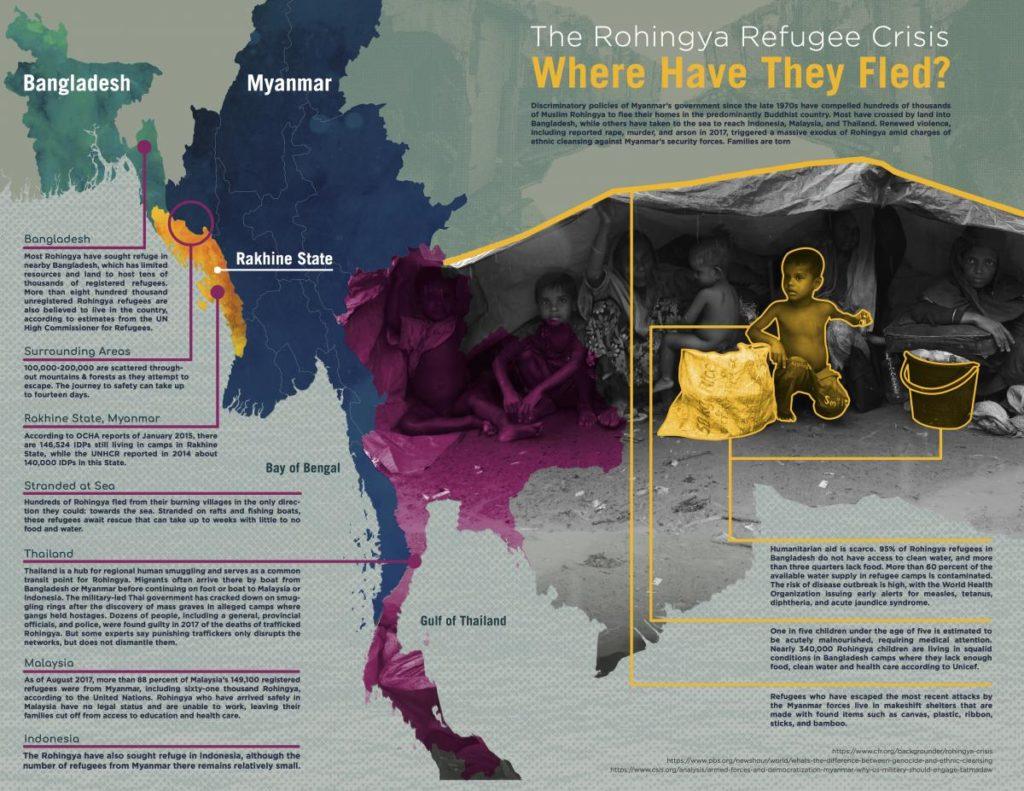
How to Strategically Get Involved in Ending Genocide
An infographic on strategically getting involved in ending Genocide.
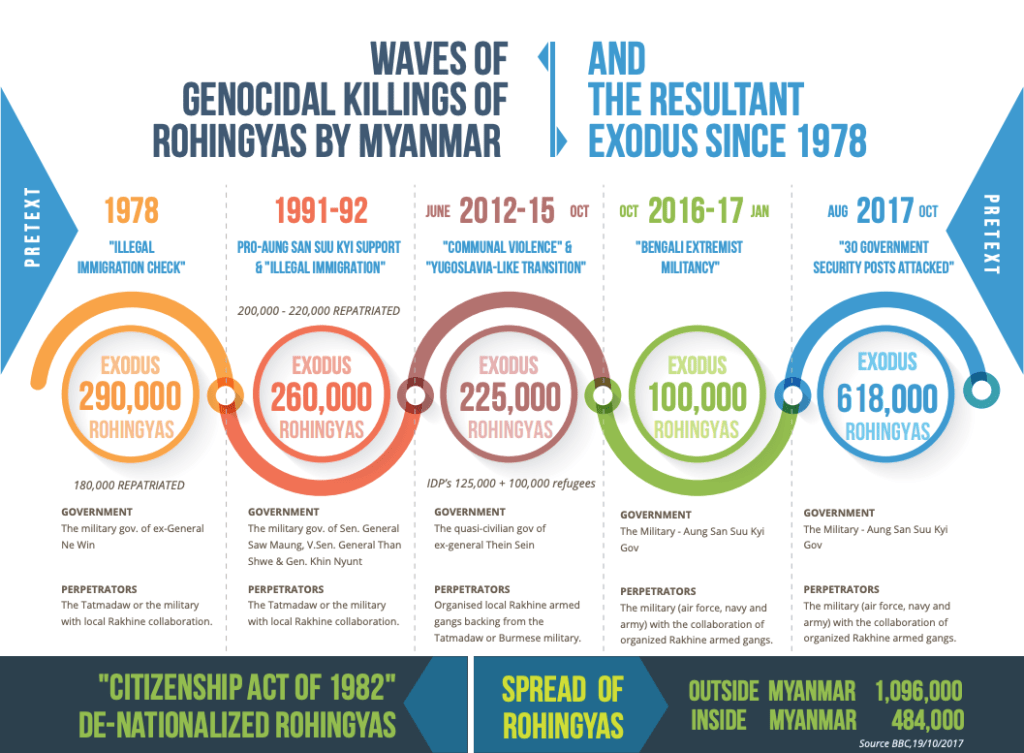
Waves of Genocidal Killings of Rohingyas By Burma
Infographic about the ‘Waves of Genocidal Killings of Rohingyas By Burma’
HONOR OUR HEROES: Celebrating the Work of Gambian Justice Minister Abubacarr Tambadou in DC
Join us as we honor His Excellency Justice Minister of The Gambia, Mr. Abubacarr Tambadou. He is being recognized for his courage and conviction in presenting the case of the Rohingya to the International Court of Justice, the world’s highest court, and winning a provisional judgement in favor of the Rohingya. We will honor Mr.…
HONOR OUR HEROES: Celebrating the Work of Gambian Justice Minister Abubacarr Tambadou in Chicago
Join us as we honor His Excellency Justice Minister of The Gambia, Mr. Abubacarr Tambadou. He is being recognized for his courage and conviction in presenting the case of the Rohingya to the International Court of Justice, the world’s highest court, and winning a provisional judgement in favor of the Rohingya. We will honor Mr.…
Rohingya refugee complains about barbed-wire
Rohingya refugee in Bangladesh complains about the plans to put barbed-wire fence around the camps. Read the associated article here. https://medium.com/@shafiur/rohingya-…
Suu Kyi Defends Against Rohingya Genocide Accusations
FILE — Rohingya refugees come ashore after crossing the Naf River into Cox’s Bazar, Bangladesh from Myanmar on Nov. 10, 2017. A day after Daw Aung San Suu Kyi listened at the world’s highest court in The Hague to testimony of the horrors inflicted upon the Rohingya Muslims of Myanmar, the Nobel Peace Prize laureate…

Aung San Suu Kyi heads to The Hague for Myanmar genocide showdown
Peace prize winner will lead her country’s defence against claims at court in Netherlands A momentous legal confrontation will take place at the UN’s highest court on Tuesday when the Nobel peace prize winner Aung San Suu Kyi appears in person to defend Myanmar against accusations of genocide. Once internationally feted as a human rights…
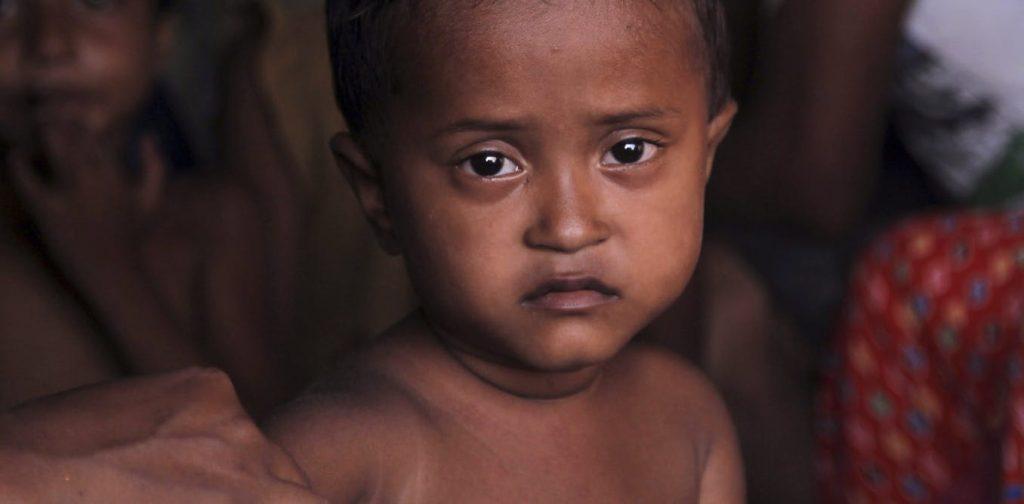
The global Rohingya diaspora throws lifelines to Bangladesh and Myanmar
Diasporas can play a significant role in the development and politics of their countries of origin. Researchers have established that diasporas improve the lives of their home communities by maintaining cultural links, raising awareness, sharing information and sending remittances back home to family and friends. However, diasporas are sometimes painted in an unfavourable manner because…

Interview: ‘People Have Lost Faith in The Democratic Transition’
Oo Hla Sein, a leader of the Arakan Nation Party and lawmaker in Myanmar’s lower house of parliament, discusses the situation in western Myanmar’s Rakhine state during an interview in Yangon, March 24, 2019. The Arakan National Party (ANP) received a blow last week when its leader, Aye Maung, was sentenced to 20 years in…
Preventing Genocide Today with Adem Carroll and John Ciociari
The Rohingya are a Muslim minority group who have suffered genocide at the hands of the Burmese military. What can be done to help them? Associate Professor John Ciociari from U of M’s Gerald R. Ford School of Public Policy moderates a discussion with Adem Carroll on this topic. Adem Carroll is New York and…
Burma genocide is official; will State Department act?
https://thehill.com/opinion/civil-rights/421777-burma-genocide-is-official-will-state-department-act?jwsource=cl please click the link above to watch the video What has happened to the Rohingya in Burma is an open-and-shut case of genocide about which few can plead ignorance. It has become the most satellite-documented genocide in history with before, during and after images. This photographic evidence is an unmistakable, undeniable real-time record of…
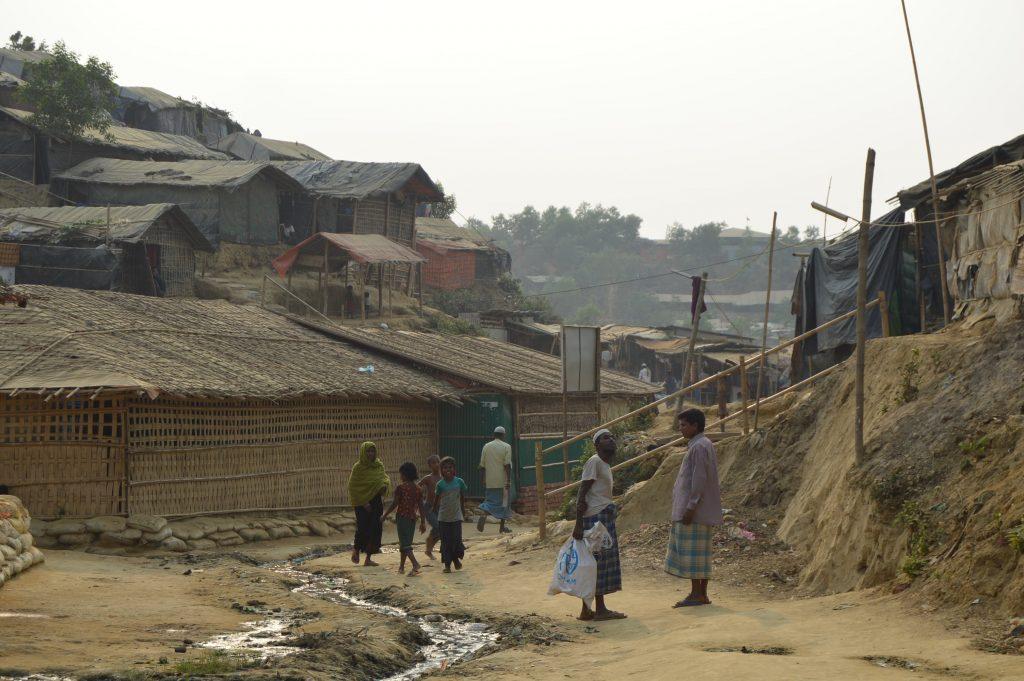
US must encourage world action to end genocide in Burma
Seventy years ago, the United Nations was founded in the wake of the unprecedented horrors of World War II. Its charter was conceived as a response to the unimaginable state-organized campaigns of genocide that defined that war. The watchwords of the newly-formed international body were: “Never again.” This cherished ideal is more relevant today than…
Footage Shows ‘Prison-Like Units’ Built For Rohingya On Bangladesh Island
Exclusive video shows grim living conditions on remote silt island of Bhasan Char Read the full article here.
Rohingya Leaders Call on US to Ensure Refugees Are Not Forced Back to Myanmar
A Rohingya refugee child from Myanmar cuts bamboo at the Thankhali refugee camp in Ukhia, Cox’s Bazar, southeastern Bangladesh, Nov. 15, 2017. Rohingya leaders have called on the United States and other members of the international community to ensure that refugees from the Muslim minority who fled a military crackdown in Myanmar’s northern Rakhine state…
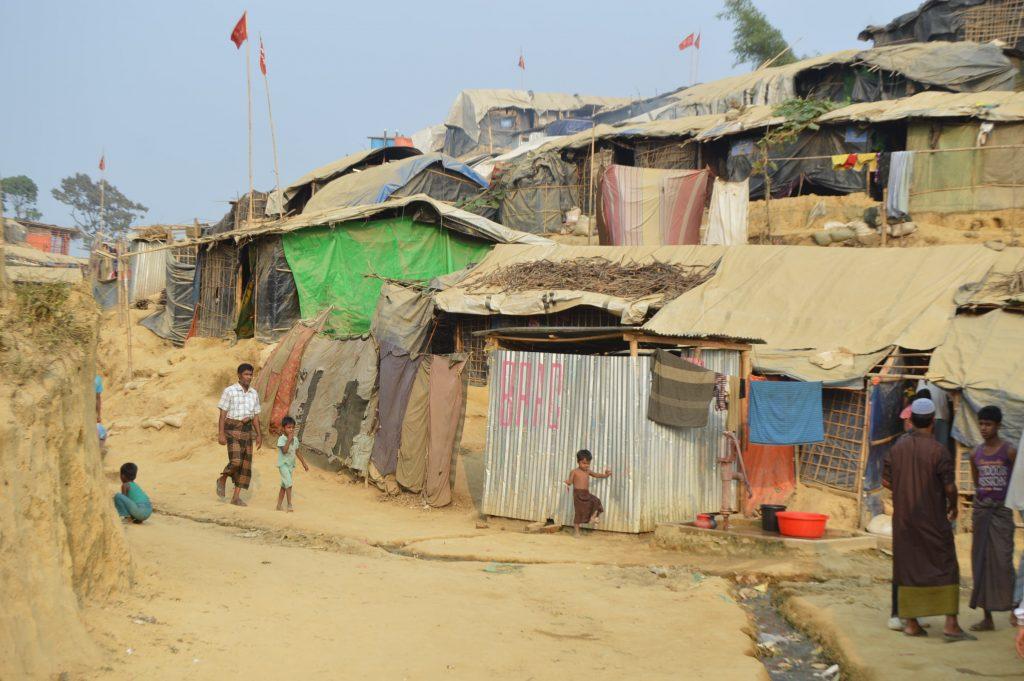
Narrow sanctions won’t help Rohingya Muslims: Activists
‘Rohingya refugees are not ready to go back to Myanmar’ under current, flawed deal, say Rohingya advocates WASHINGTON Targeted and partial sanctions will not stop Myanmar’s campaign of oppressing Rohingya Muslims, the head of a prominent U.S.-based organization advocating for Rohingya Muslims argued Monday. Speaking at a Washington press conference, Imam Abdul Malik Mujahid, chairman…
State Department Report on Rohingya Crisis
Executive Summary The Bureau of Intelligence and Research (INR), with funding support from the Bureau of Democracy, Human Rights, and Labor (DRL), conducted a survey in spring 2018 of the firsthand experiences of 1,024 Rohingya refugees in Cox’s Bazar District, Bangladesh. The goal of the survey was to document atrocities committed against residents in Burma’s…
A Question Of Genocide? The Rohingya Crisis One Year On
A year after a crackdown on Rohingya Muslims in Myanmar caused 700,000 people to flee to neighboring Bangladesh, UN investigators are accusing top military officials in Myanmar of genocide and other human rights abuses. Greta Van Susteren and her guests (including Burma Task Force correspondent, Hena Zuberi) discuss those allegations and the ongoing refugee crisis in…
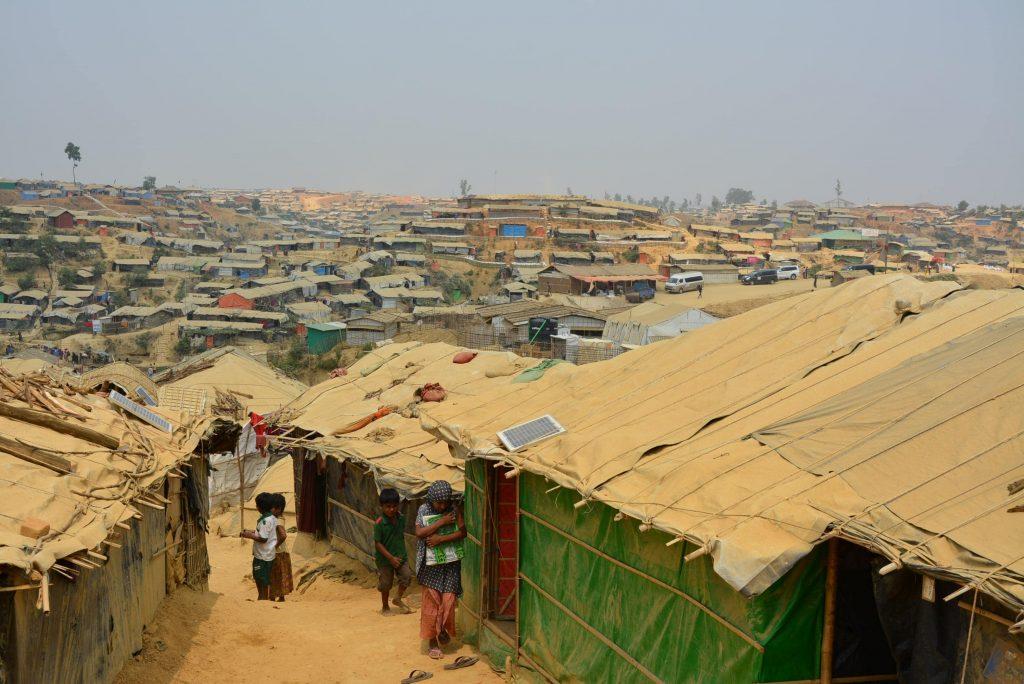
UN Declares Burma Committed Genocide on Rohingya
Rohingya refugees walk at Balukhali Refugee Camp in Bangladesh, Monday, Aug. 27, 2018. Investigators working for the U.N.’s top human rights body said Monday that Myanmar military leaders should be prosecuted for genocide against Rohingya Muslims, taking the unusual step of identifying six by name among those behind deadly, systematic crimes against the ethnic minority.…

Rohingya in US mark first year of Rakhine massacre
‘We want these massacres to be accepted as genocide by the U.S. and international community,’ said observer Hena Zuberi WASHINGTON A group of Rohingya Muslims gathered in front of U.S. Capitol building Saturday to mark the first anniversary of violence against their community by the Myanmar army in Rakhine state and their exodus to Bangladesh.…
Rohingya: UN Calls For Myanmar Generals To Be Prosecuted For Genocide, War Crimes And Crimes Against Humanity
Written By: Adam Withnall UN investigators have for the first time declared the violence against Rohingya Muslims in northern Myanmar to be a campaign of genocide. In a damning final report from their fact-finding mission, observers said Myanmar’s commander-in-chief and five other named generals should face prosecution for acting with “genocidal intent”, crimes against humanity and war crimes. It is by far the…
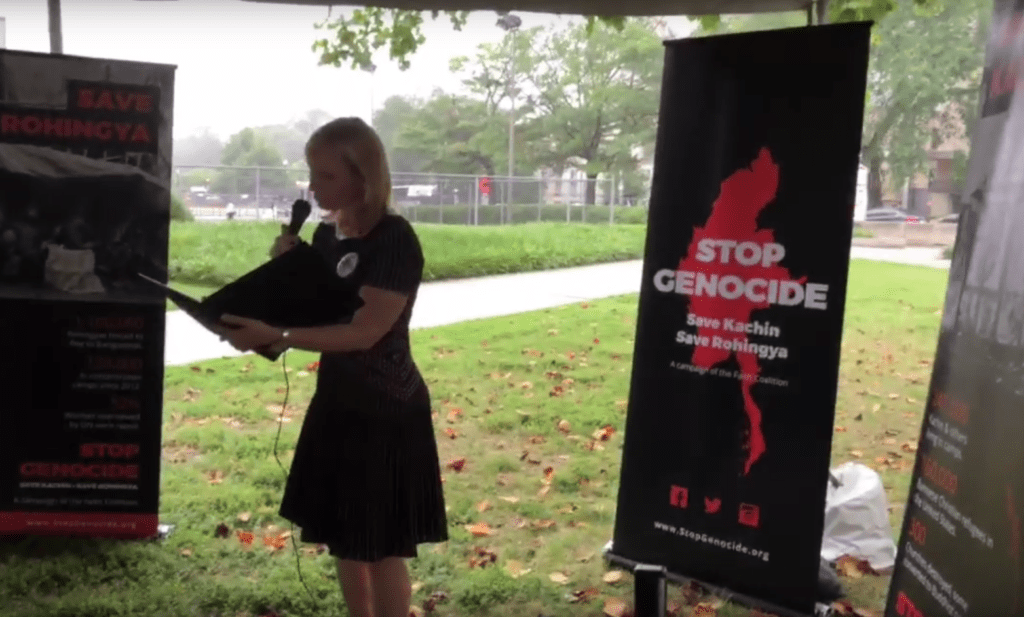
Interfaith Vigil In Washington D.C. For The Rohingya And Kachin Victims Of Genocide In Burma.
Burma Task Force Condemns Memorandum Of Understanding Between UN And Myanmar As Woefully Inadequate
BURMA TASK FORCE Agreement Fails to Advance a Humane Solution to Rohingya Refugee Crisis (Chicago, IL, 7/5/2018) The Burma Task Force (BTF) has condemned the recently agreed Memorandum of Understanding (MoU) between the United Nations and the Myanmar government as a non-starter. The agreement, recently made public, claims to establish a “framework for cooperation” on the…
Rohingya Submit Observations to The International Criminal Court
Burma Task Force (Chicago, IL 6/20/2018) – Rohingya victims from the village of Tula Toli in Myanmar have made observations to the International Criminal Court (“ICC”) detailing atrocities committed by the Myanmar army in the summer of 2018. On April 9, 2018 the ICC Prosecutor requested the Court to confirm that it has jurisdiction over the…
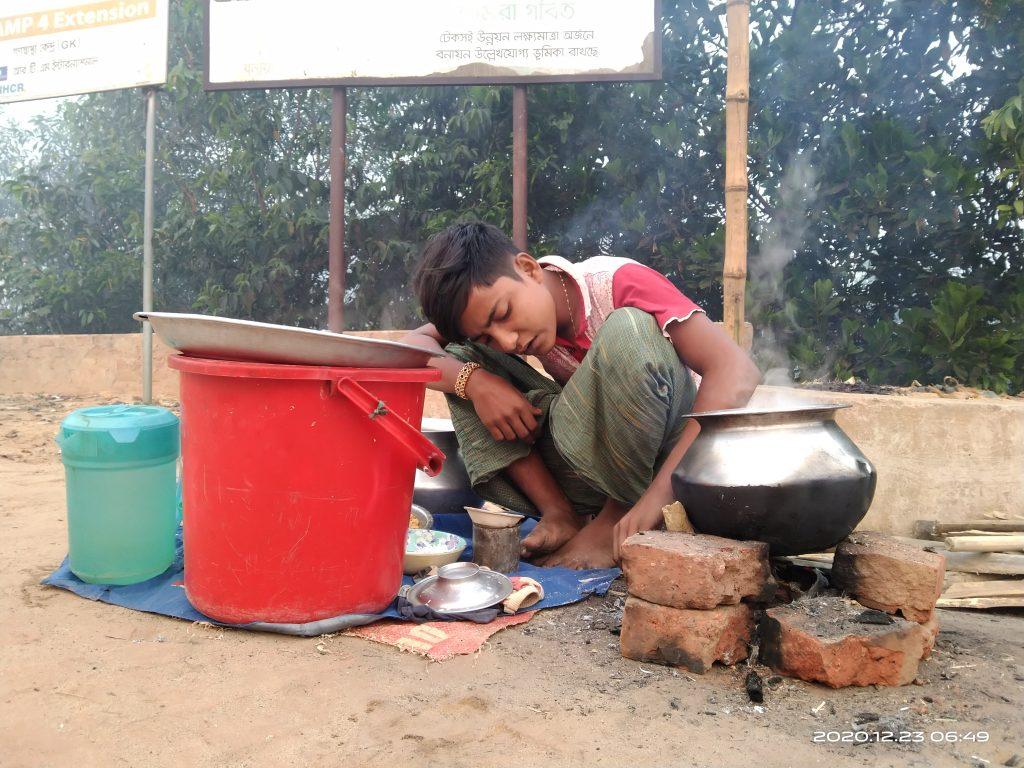
Rohingya Crisis: UN Envoy Says Refugees Facing ‘Forced Starvation’
“The ethnic cleansing of Rohingya from Myanmar continues,” said the UN’s assistant secretary-general for human rights, Andrew Gilmour. (Image: Munir Uz Zaman/AFP ) Article from BBC News Myanmar has not stopped its ethnic cleansing of the Rohingya people in Rakhine state, a United Nations human rights official said on Tuesday. The UN envoy’s assessment of…

Atrocities Against Myanmar Minority Compared To Holocaust
“We’d like to think we’ve learned from history but . . . . we have a holocaust of its own going on, the Rohingya people and we need to wake up.” – Steven Markowitz, chairman of Nassau’s Holocaust Memorial Article from News Day Long Island Ted Phillips The brutal campaign of atrocities committed against Myanmar’s…
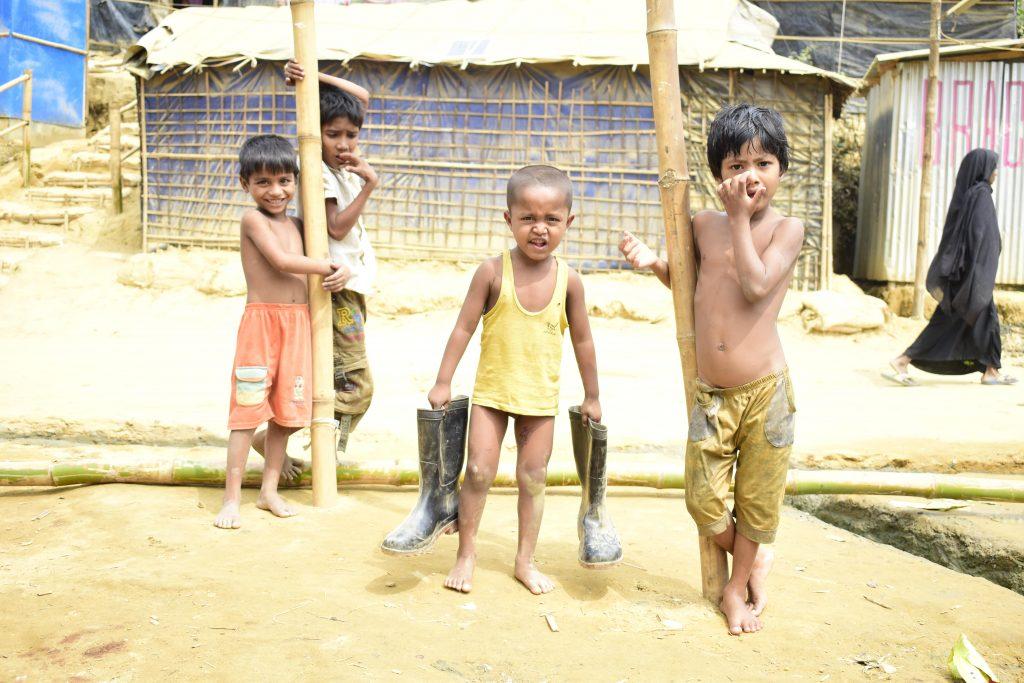
Local Muslim Leader Coordinates Rohingya Day Of Action In Washington, D.C.
A Rohingya Muslim woman, who crossed over from Myanmar into Bangladesh, holds the hands of her grandchildren at Balukhali refugee camp in Ukhiya, Bangladesh, Wednesday, Nov. 15, 2017. AP Photo/A.M. Ahad This Wednesday, Muslim leaders and activists from across the U.S. will gather in Washington D.C. for a Rohingya Day of Action. A new study…
10 MEN 1 GRAVE: BURMA’S CHILLING “INN DIN MASSACRE”
Journalists Wa Lone and Kyaw Soe Oo, were detained on Dec. 12, 2017 for violating Burma’s Official Secrets Act by reporting Burmese paramilitary troops and Buddhist villagers had tied 10 men together and killed them with machetes and gunfire. You can help stop the atrocities being perpetuated against the Rohingya. For information, articles and blogs…
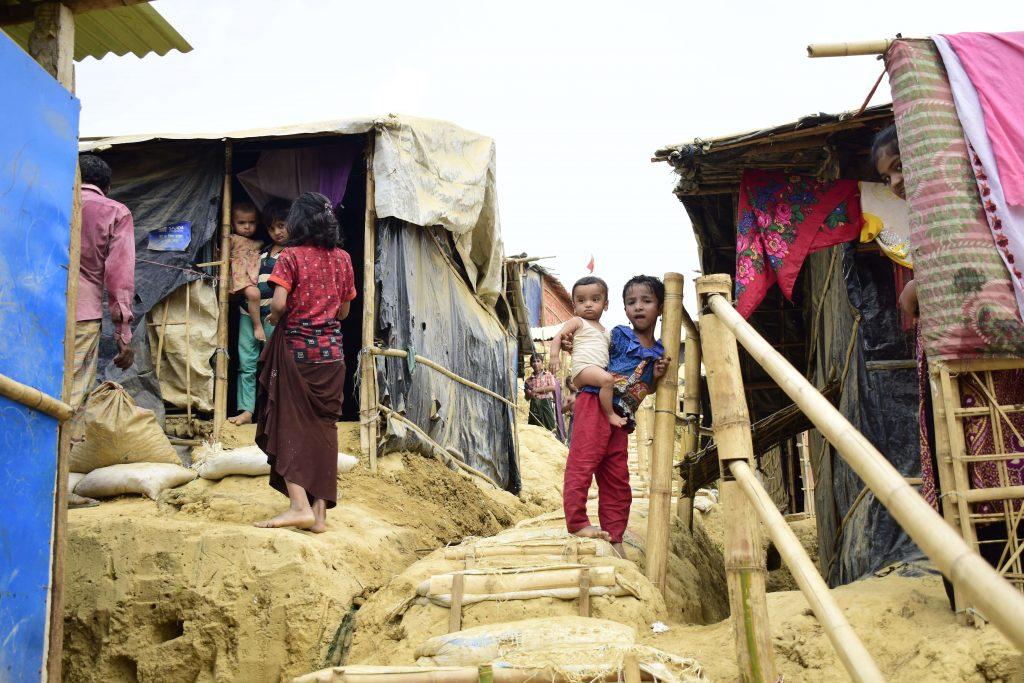
Holocaust Museum talk exposes horrors in Myanmar
The Holocaust Memorial and Tolerance Center of Nassau County will present a program, Atrocities in Myanmar: Rohingya are Being Raped and Murdered as You Read This, on Sunday, March 4 at 2 p.m. While the Myanmar government commits genocide against its citizens, it denies the atrocities to the world. Global silence and inaction allow the…

BTF Meets Congressman Eliot Engel
Today, February 13, 2018, Adem Carroll met with Congressman Eliot Engel, the sponsor of the House Sanctions Bill against Myanmar. They discussed the practicality of the United States government imposing full-fledged sanctions on the Myanmar government in response to the genocide the Myanmar military is carrying out on the Rohingya people. Letter from Riverdale Press written by…

NGOs Call On Canada To Take Leadership In Rohingya Aid
“These are concentration camps of the 21st century, where the Rohingyas survive only through rations, where adults have no work and children no education, they have no basic rights and freedoms.” – Ahmed Ramadan, General Manager of Burma Task Force (Image: Rohingya refugees are trying to reach Bangladesh’s border on foot. Photo: Reuters / Mohammad Ponir…
Repatriation Fraud: Rohingya Refoulement
Repatriation of Rohingya refugees will begin by January 22. The United Nations refugee agency says conditions are not safe for the return of hundreds of thousands of Rohingya refugees from Bangladesh to Myanmar. This is not repatriation. This is a fraud. This is refoulement – the forcible return of refugees or asylum seekers to a…
Rohingya Leaders Asked The World Not To Force Rohingyas Back
Imam Malik Mujahid Rohingya Leaders asked the world Not to Force Rohingyas Back to Burma Without Security and Citizenship Monday, Jan 8, Washington DC: American Rohingya leaders and Burma Task Force USA today appealed to the US government to ensure that Rohingya refugees are not forced back to Burma, the land they scape from just…

It’s Not Enough To Delete A Tweet Ambassador MacArthur
Written By: Tauseef Akbar Last year in September, Burma Task Force protested against Myanmar’s genocidal operations which were killing and destroying Rohingya at which the Foreign Minister of Canada Chrystia Freedland spoke, saying that what was happening to the Rohingya amounted to “ethnic cleansing.” However, it seems that Canadian ambassador to Indonesia missed the memo. To celebrate New Years he felt…
Perspectives #7 Adem Carroll
Perspectives with Asima Silva features local and national guests sharing their perspectives on politics, current events, mental and emotional health, and religion. Asima talks with Adem Carroll from the Burma Task Force.
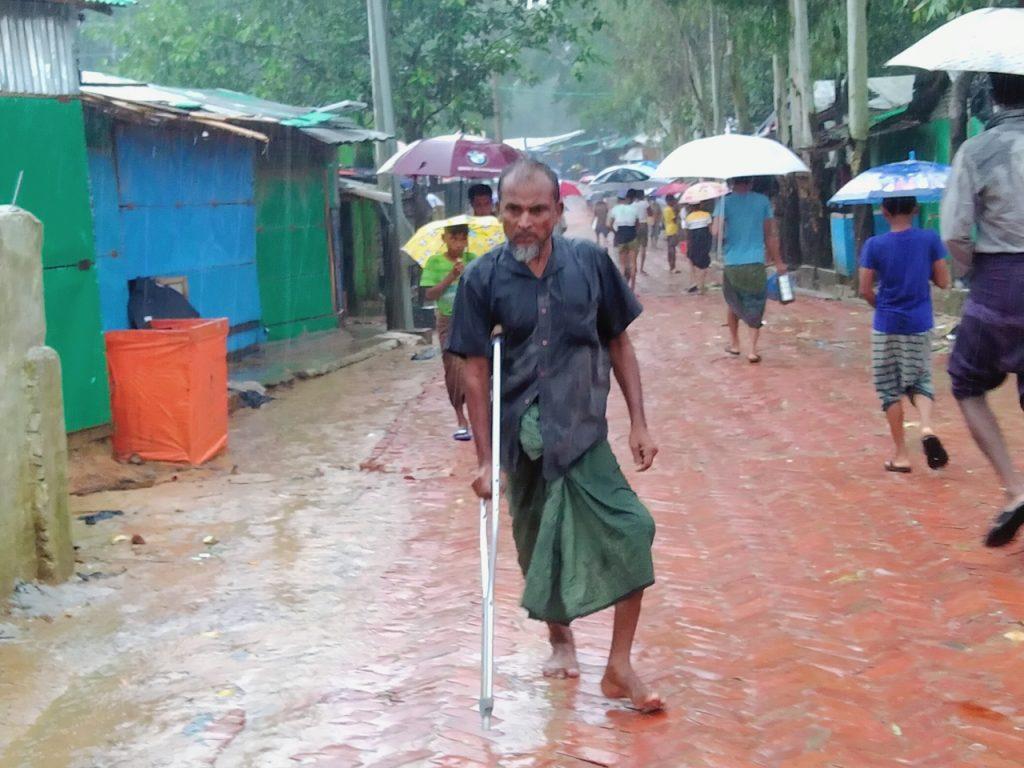
Rohingya Daily News 06 December 2017
The Rohingya, an ethnic group from Arakan, Myanmar (Burma), is one of most persecuted minorities in the world. The past military Junta delisted the Rohingyas from the Burmese Ethnic groups just few years after independence of Burma. Since then, the Burmese Military government has continued to exercise a systematic, discriminatory and extremely abusive policy against…
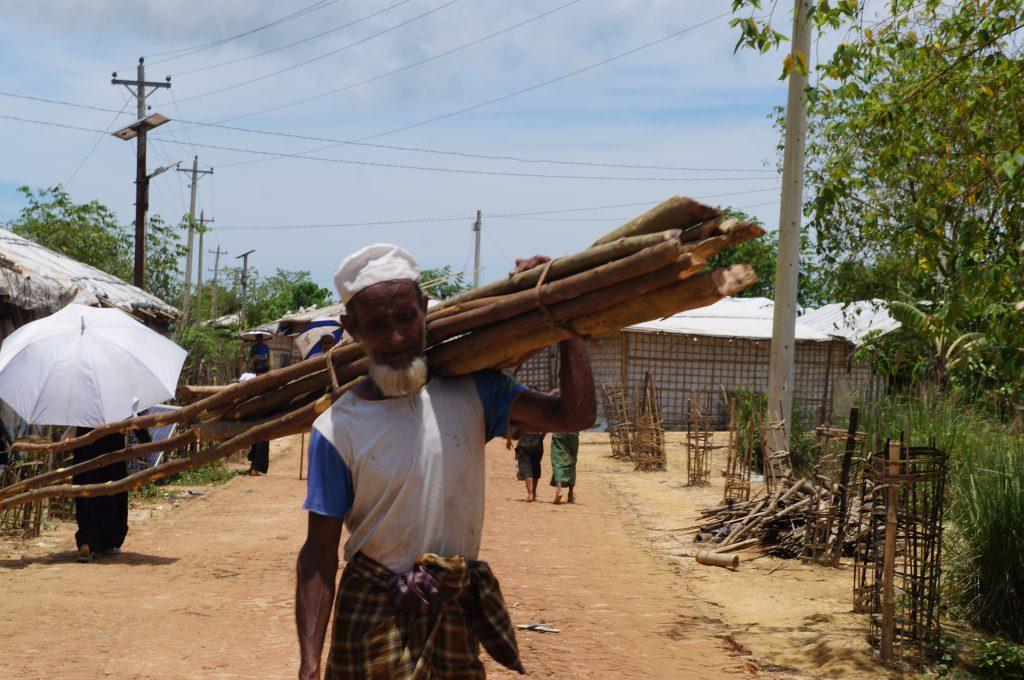
Rohingya Daily News 05 December 2017 Rohingya Daily News 05 December 2017
The Rohingya, an ethnic group from Arakan, Myanmar (Burma), is one of most persecuted minorities in the world. The past military Junta delisted the Rohingyas from the Burmese Ethnic groups just few years after independence of Burma. Since then, the Burmese Military government has continued to exercise a systematic, discriminatory and extremely abusive policy against…
Tillerson Speaks: Myanmar ‘Ethnic Cleansing’ Rohingya
U.S. Secretary of State Rex Tillerson says Myanmar’s action against the Rohingya constitutes ethnic cleansing. However, a senior state department official said the term “ethnic cleansing” does not imply consequences. The U.S. must classify the atrocities in Burma as “genocide.” Classifying it as “genocide,” would obligate the U.S. to punish the perpetrators and send them…
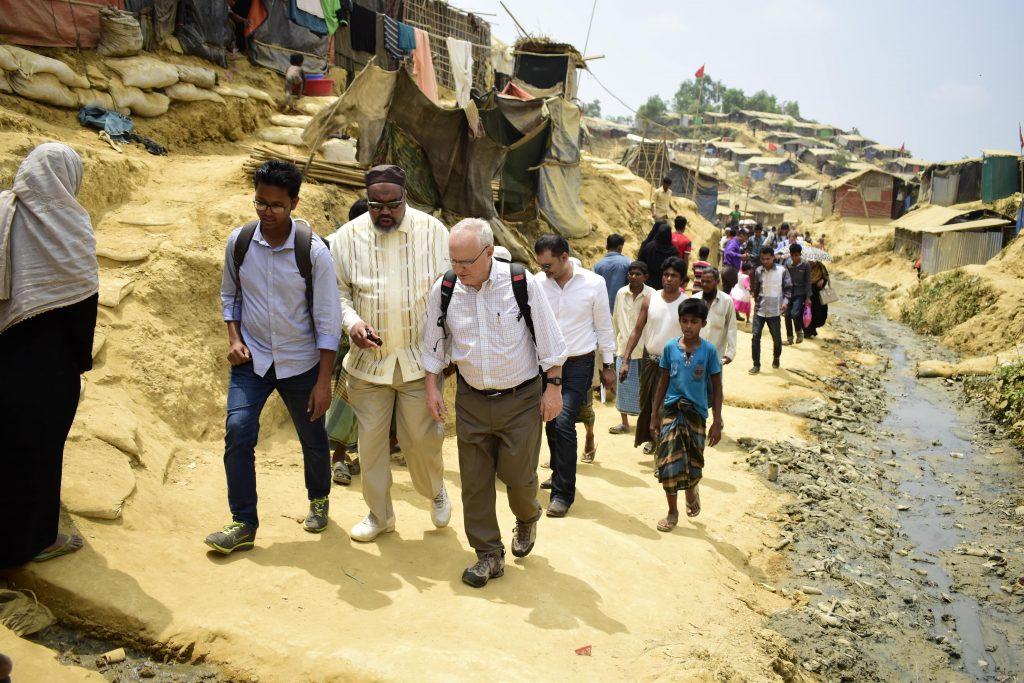
The U.N. Finally Uses The Word ‘Genocide’
“Can anyone rule out that elements of genocide may be present?” The United Nations defines genocide as acts intended to destroy a national, ethnic, racial or religious group in whole or in part. Since its founding five years ago Burma Task Force has stated clearly and consistently that Myanmar government policies to destroy the Rohingya…
Burma Task Force Calls The New Bilateral Repatriation Agreement A Fraud: Agreement Raises More Questions Than It Answers, Fails To Serve Rohingya
November 24: Fleeing genocide by the Myanmar (Burmese) Military, the number of recent Rohingya refugees arriving in Bangladesh has surpassed 620,000. The US government has formally recognized Myanmar policies as “ethnic cleansing.” The world is waking up to the long history of persecution targeting this minority population. And yet, the governments of Myanmar and Bangladesh…
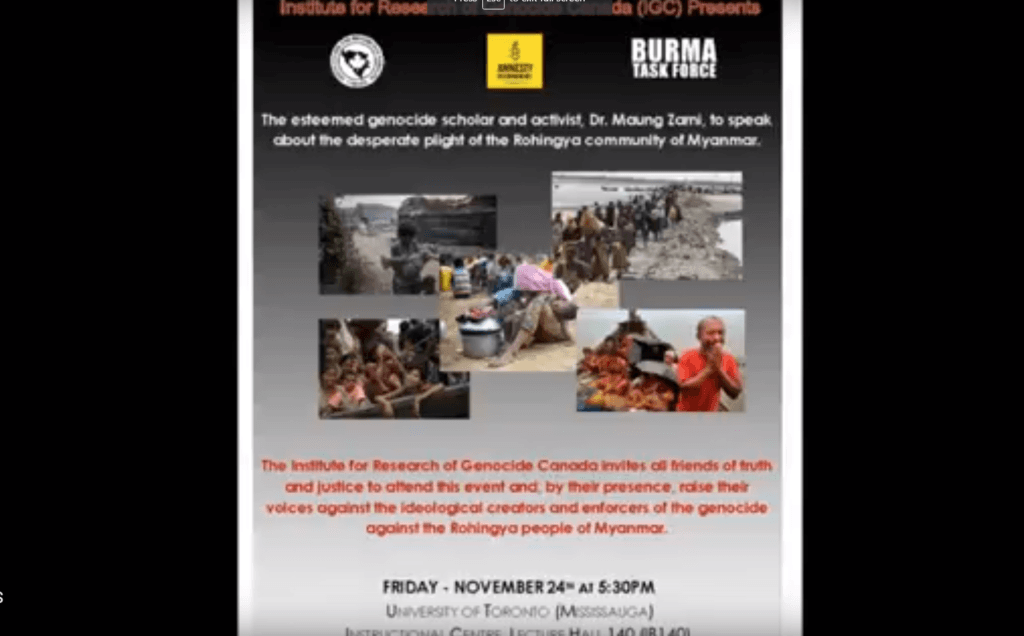
Dr. Zarni Speaks About Rohingya Genocide (Audio Only)
Institute for Research of Genocide Canada hosted the esteemed Genocide Scholar & Activist, Dr. Maung Zarni at University of Toronto on November 24, 2017.
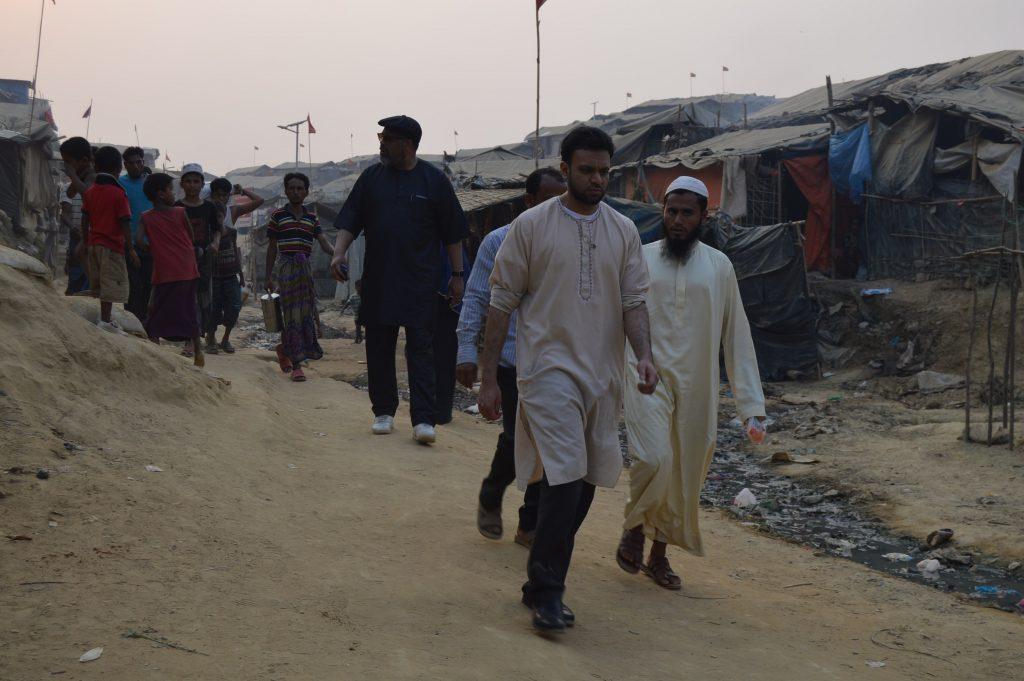
What Will It Take To Stop The Genocide?
Help stop the brutal genocide of the Rohingya in Burma. The Burmese government is oppressing the Rohingya people to the point that seven Nobel Peace laureates declared their actions a genocide. We will work tirelessly to pressure international governments to take action against Burma until they end the persecution. We have 3 asks that will…
Rohingya Children Raped By Burmese Military
According to Médecins Sans Frontières, dozens of Rohingya girls have been given medical and psychological support at its Kutupalong health facility. More than half the girls treated for sexual assaults are under 18 years old, some of them under 10 years old.
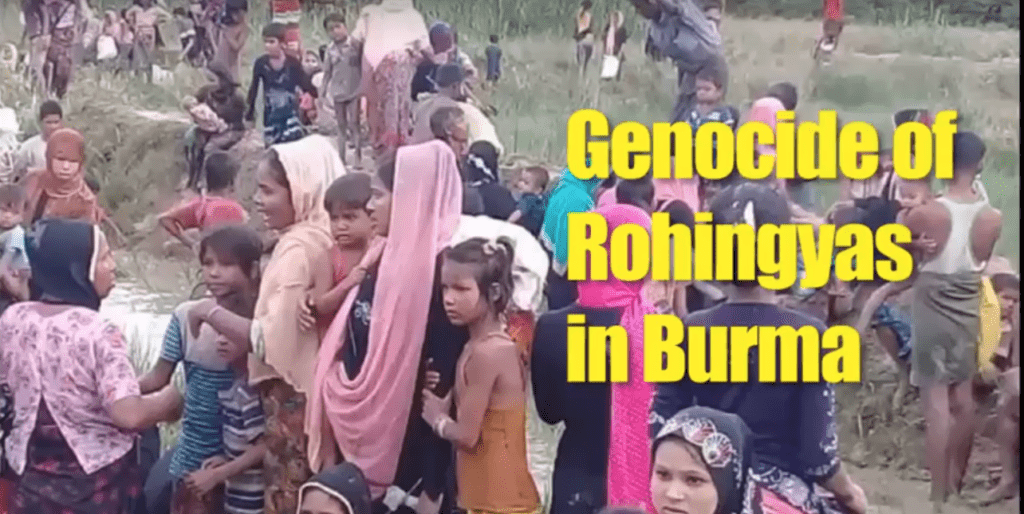
Family Of Faith Addressing Rohingya Genocide
October 5, 2017 Burma Task Force Chairman, Imam Abdul Malik Mujahid, spoke about the Rohingya genocide taking place in Burma and how communities of all faiths can work together to stop it.

WATCH: Live Stream Of The 2nd Peoples’ Tribunal On Myanmar’s ‘Crimes Against Humanity’
Day 3: Day 2: Day 1 Session 3: Day 1 Session 1: For background on the judges, experts and testimonites to be presented at the PPT click here.

PM Christina Freeland with Burma Task Force Canada
Comments come as pressure mounts for Canada to help establish safe-zone, take concrete action https://www.cbc.ca/i/caffeine/syndicate/?mediaId=1048255555718 please click the above link to watch the video Canada will seek access into a region of Myanmar where thousands of Rohingyas have been forced out, Foreign Affairs Minister Chrystia Freeland said Saturday, as she acknowledged for the first time publicly that the…

A Rohingya Muslim woman, who crossed over from Myanmar into Bangladesh, holds the hands of her grandchildren at Balukhali refugee camp in Ukhiya, Bangladesh, Wednesday, Nov. 15, 2017. AP Photo/A.M. Ahad
Comments come as pressure mounts for Canada to help establish safe-zone, take concrete action Canada’s Foreign Affairs Minister Chrystia Freeland said the killings of Rohingya Muslims in Myanmar looks a lot like “ethnic cleansing” 2:22 Canada will seek access into a region of Myanmar where thousands of Rohingyas have been forced out, Foreign Affairs Minister…
Canada provides $2.5M in urgent funding for Rohingya refugees in Bangladesh
Nearly 400,000 Muslims have fled Myanmar since Aug. 25 Rohingya refugees walk to the shore after crossing the Bangladesh-Myanmar border by boat through the Bay of Bengal in Shah Porir Dwip, Bangladesh, on Sept. 10. (Danish Siddiqui/Reuters) The federal government has announced $2.55 million in funding to United Nations agencies grappling with a huge influx…
U.N. Report On Burma: Campaign Of Terror
A UN report claims Burmese security forces are waging a campaign of rape, torture and child murder against Rohingya Muslims.
Pope Blasts Burma For Rohingya Persecution
Pope Francis blasted Myanmar over its horrible treatment of the Rohingya.This comes days after a U. N. report concluded Burmese security forces waged a “campaign of terror” against the ethnic Rohingya Muslim minority. For information, articles and blogs checkout: burmamuslims.org Follow us on social media: facebook.com/BurmaTaskForce twitter@BurmaTaskForce youtube.com/BurmaTaskForceUSA
Rohingya Island: A Human Rights Catastrophe
Bangladesh plans to relocate thousands of Rohingya refugees to an uninhabitable island in the Bay of Bengal. Rights advocates warn this could trigger a humanitarian catastrophe.
Burma Security Faces Alleged To Have Raped Three Rohingya Villagers
Rohingya media reports have published a video in which three Rohingya women, whose faces are covered by shawls allege that their village was attacked by Burmese military (Tatmadaw) and Border Guard Police (BGP) on July 30th and that they were victims of rape. Rohingya Vision reports that the village of Yedwin Pyin village in northern Maungdaw…

Burma Task Force’s Adem Carroll Challenges Suu Kyi’s Communications Director Aye Aye Soe
In a Letter-to-the-Editor (July 23) published in the Washington Post, the director-general of the Ministry of the Office of the State Counsellor’s Communication Unit, Aye Aye Soe took issue with the Post’s (July 16) editorial noting that Burma is backsliding on democracy. Aye Aye Soe, attempts to deflect away from accurate reporting and analysis of…
Pope Blasts Burma For Rohingya Persecution
Pope Francis blasted Myanmar over its horrible treatment of the Rohingya.This comes days after a U. N. report concluded Burmese security forces waged a “campaign of terror” against the ethnic Rohingya Muslim minority.
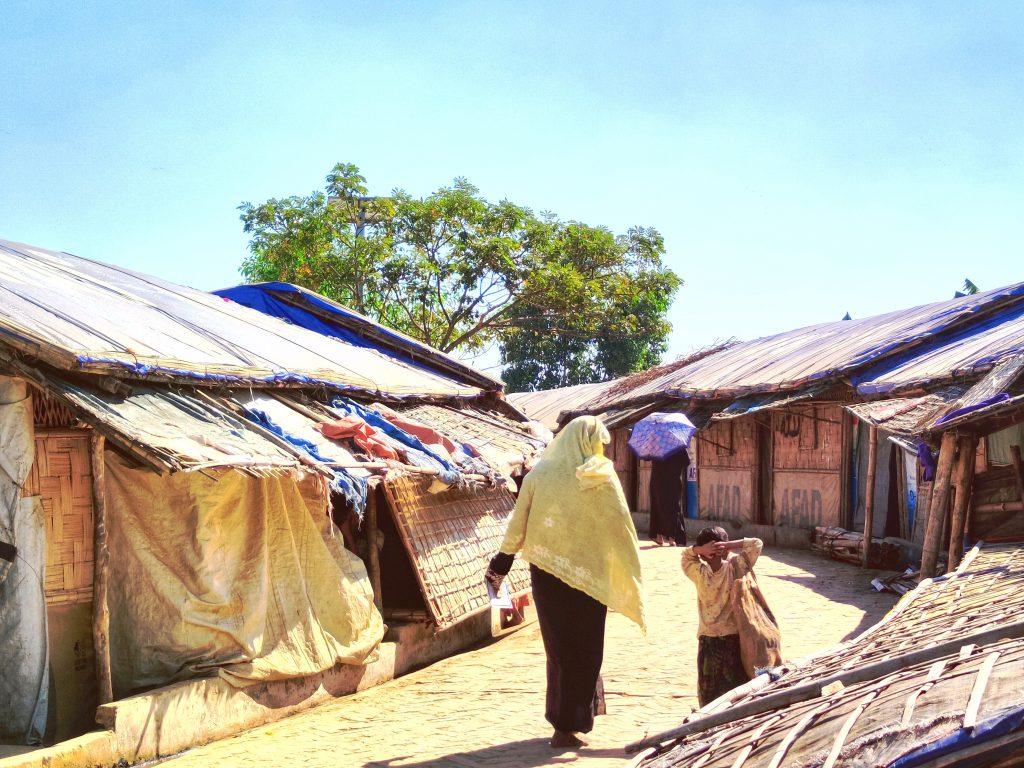
Mass Sexual Violence Leaves Rohingya Women Traumatized And Stateless
The United Nations has documented shocking accounts of sexual violence, including gang rape, against Rohingya women and girls at the hands of Myanmar’s military. News Deeply spoke with a U.N. investigator about what she found when she talked to survivors. WRITTEN BYAlexandra Bradford PUBLISHED ON Jun. 8, 2017 READ TIMEApprox. 5 minutes Rohingya women and children were targeted by…
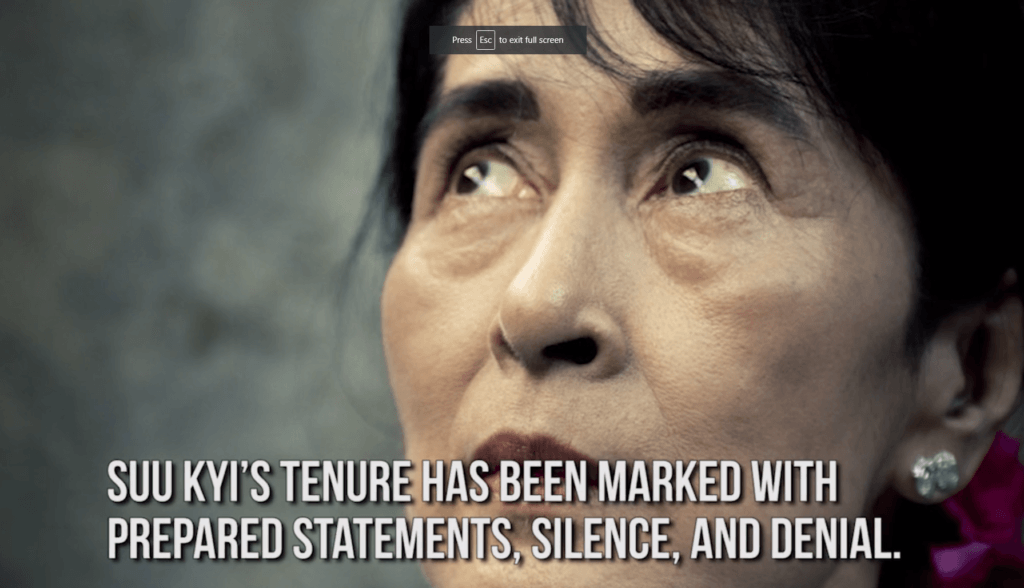
Suu Kyi Is Prepared To Quit
In an address marking her 1st year in office Suu Kyi said she is prepared to step down if people are dissatisfied with her leadership.
Protest Meet Suu Kyi Visit To Canada
Aung San Suu Kyi and the Canadian government only let it be known that she would visit Canada a week prior to her arrival on June 5th to meet with PM Justin Trudeau; Suu Kyi will be in Canada from June 5th-9th. The reason for the hush announcement and the secrecy of where and when…
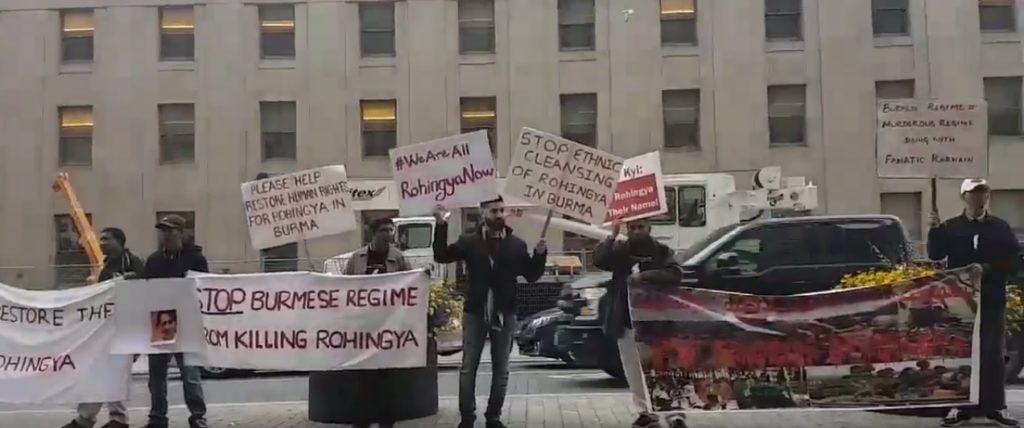
Protest Meet Suu Kyi Visit To Canada
Aung San Suu Kyi and the Canadian government only let it be known that she would visit Canada a week prior to her arrival on June 5th to meet with PM Justin Trudeau; Suu Kyi will be in Canada from June 5th-9th. The reason for the hush announcement and the secrecy of where and when…
Cyclone Mora Ravages Rohingya Camps In Bangladesh
On Tuesday Bangladesh was hit by Cyclone Mora, the huge storm devastated Rohingya refugee camps, displacing 200,000. The government claims they were evacuated to shelters but as Fortify Rights Matthew Smith noted there is no evidence to confirm these claims. A further 150,000 Bangladeshis were evacuated from Chittagong according to the government. The most recent casualty numbers…
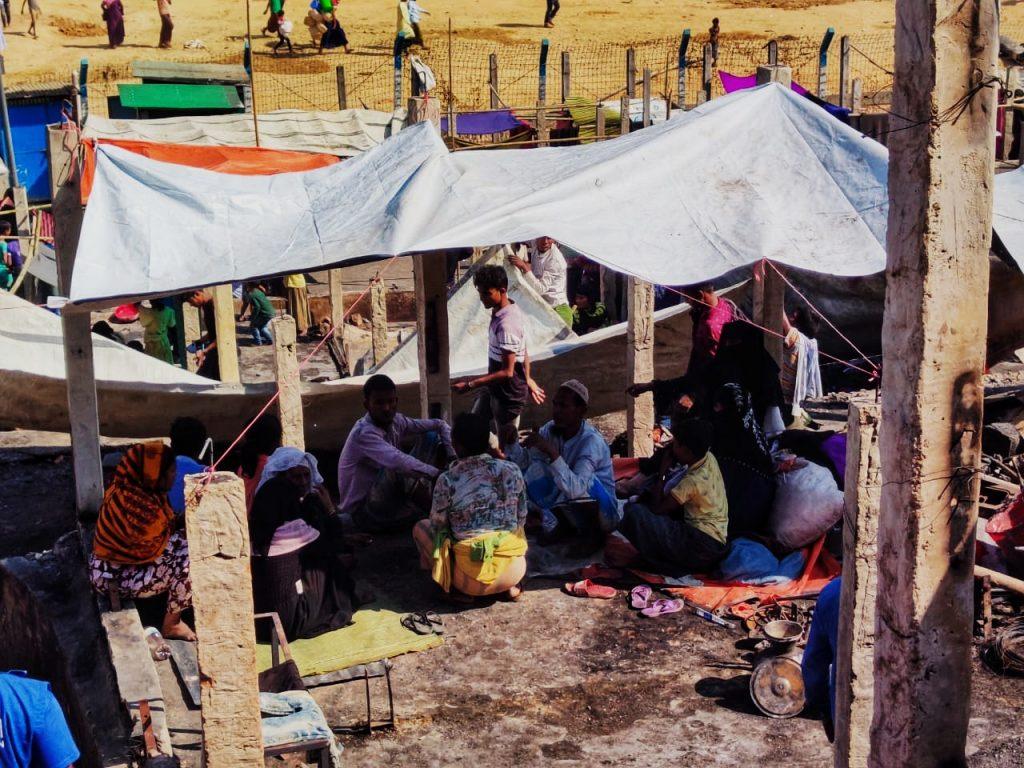
Cyclone Mora Ravages Rohingya Camps In Bangladesh
On Tuesday Bangladesh was hit by Cyclone Mora, the huge storm devastated Rohingya refugee camps, displacing 200,000. The government claims they were evacuated to shelters but as Fortify Rights Matthew Smith noted there is no evidence to confirm these claims. A further 150,000 Bangladeshis were evacuated from Chittagong according to the government. The most recent casualty numbers…
Pakistan Petition: Do Not Arm Burmese Military. Do Not Aid Rohingya Genocide
The Burmese military has persecuted Rohingya Muslims for decades. Since October, the Myanmar military has been involved in a “clearance operation” in Rohingya areas. The Islamic Republic of Pakistan Must Not Sell JF-17 Fighter Jets To Burma while it perpetuates genocide against the Rohingya. ACT NOW: Go to burmamuslims.org or change.org to join our petition:…
Red Cross Demands Access To Rohingya Muslims In Myanmar
An international humanitarian aid group has asked the government of Myanmar to give it access to help the Muslim Rohingya community in the county’s troubled Rakhine State. Peter Maurer, the president of the International Committee of the Red Cross (ICRC), told reporters in Myanmar’s commercial capital, Yangon, late on Wednesday that he had asked the…
Extremist Monks Attack Muslims In Mandalay
Dozens of police officers were deployed and fired at least two warning shots in the suburb of commercial capital Yangon after Buddhist nationalists besieged the area on the pretext of arresting illegal Muslims from Rakhine State, local media outlets reported. Early morning incident at Muslim major part of Myayagone Street, Mingalataungnyunt Township came after systematic…
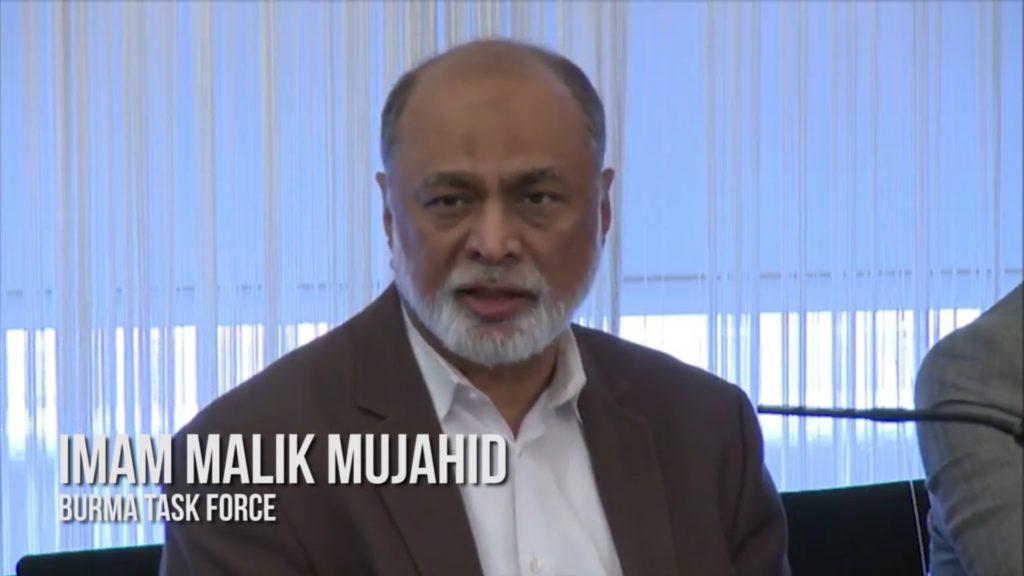
Permanent Peoples’ Tribunal Calls Out Myanmar Abuses
The Permanent Peoples’ Tribunal held hearings in London on March 6-8 at Queen Mary University. Testimony was heard on crimes committed by the Burmese state against Rohingya and Kachin minorities.

Kofi Annan Commission: Burma Must Close Camps
Myanmar should immediately start letting Rohingya Muslims return home and ultimately close rundown camps for the displaced in its western Rakhine state, a panel led by former U.N. chief Kofi Annan said on Thursday. More than 120,000 people, mostly Rohingyas, have been living in what were meant as temporary shelters for internally displaced persons (IDPs)…
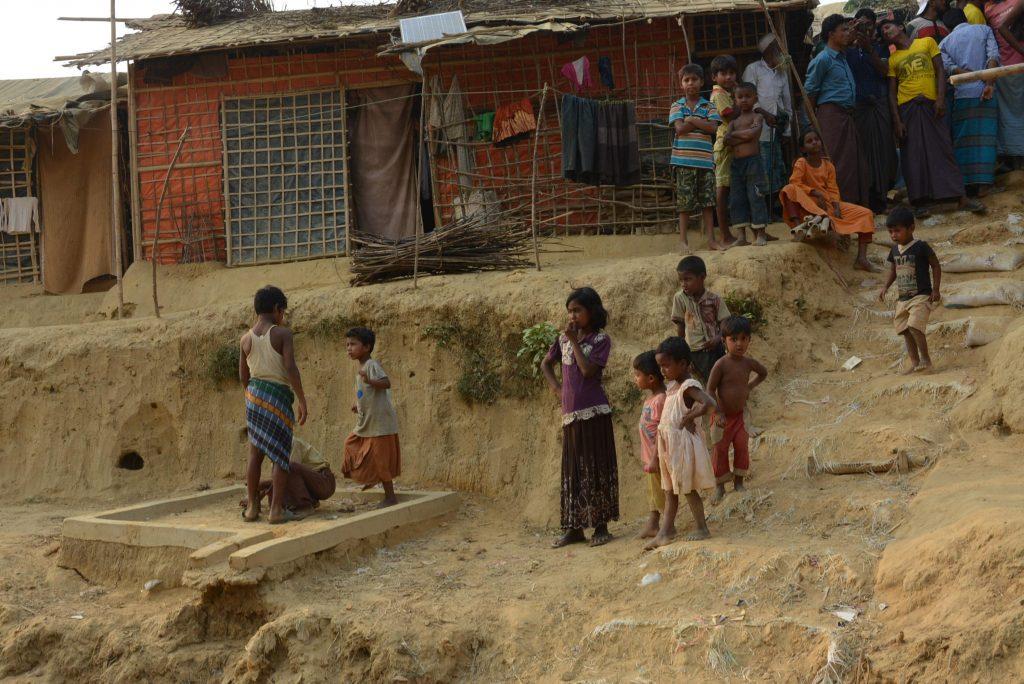
Myanmar Army Defends Brutal Crackdown
Myanmar’s military chief denounces citizenship of Rohingya Muslims and defends the brutal government crackdown.
RohingyaTestimony | no reason to hide our faces
A film about young Rohingya women, some as young as 14, who shared with me their stories of murder and rape in Aung San Suu Kyi’s Myanmar. Filmed in Teknaf region near the Myanmar/Bangladesh border. December 2016 & January 2017. More Background & Images Here: http://soc.sh/ngmL10q2MP A film by Shafiur Rahman Executive Producers | Harjinder…
It’s Not Ethnic Cleansing. It’s Genocide.
Have you heard of Tula Toli? A massacre took place here. Genocide is an international crime and it is happening in Burma. It is the responsibility of the international community to protect populations from genocide. Some politicians call it “ethnic cleansing” to avoid having to take action. Ask the United Nations and human rights organizations…
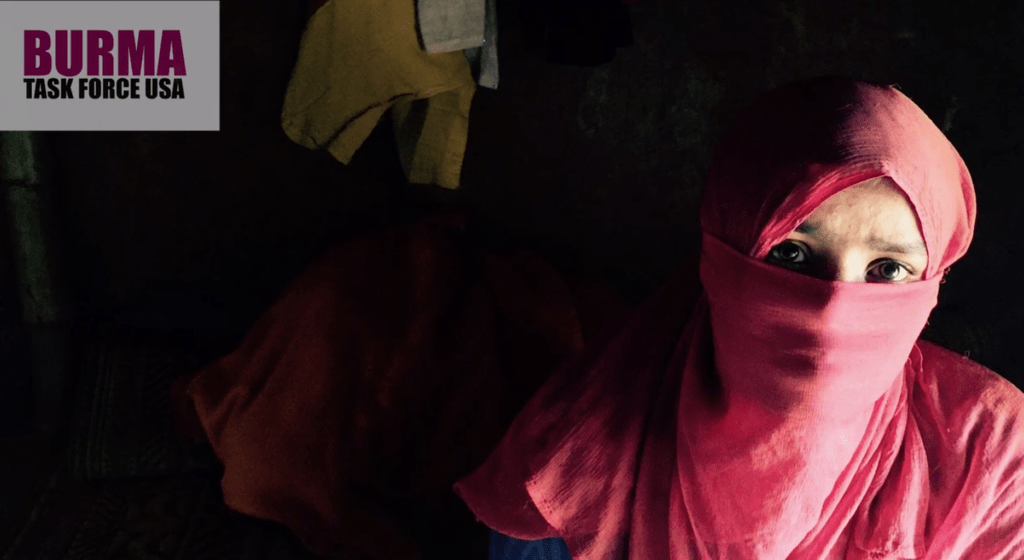
Your Zakat Can End Rape Against The Rohingya
Donate Zakat today to help stop the brutal rape of the Rohingya in Burma. The Burmese government is oppressing the Rohingya people to the point that seven Nobel Peace laureates declared their actions a genocide. We will work tirelessly to pressure international governments to take action against Burma until they end the persecution. Remember, relief…
GIVE ZAKAT TO END THE ROHINGYA GENOCIDE
Donate Zakat today to help stop the genocide of the Rohingya people in Burma. The Burmese government is oppressing the Rohingya people to the point that seven Nobel Peace laureates declared their actions a genocide. We will work tirelessly to pressure international governments to take action against Burma until they end the persecution. Remember, relief…
Roundup: Burma Task Force In The News 1/30-2/10
Burma Task Force activities in the past week and a half.: Enterprise News: Thousands In Boston Protest Trump Muslim Ban “Abdallah Ddumba, who is the Muslim advisor at Bentley University in Waltham and the New England coordinator for the Burma Task Force, called on the members of the U.S. Senate and House of Representatives to…
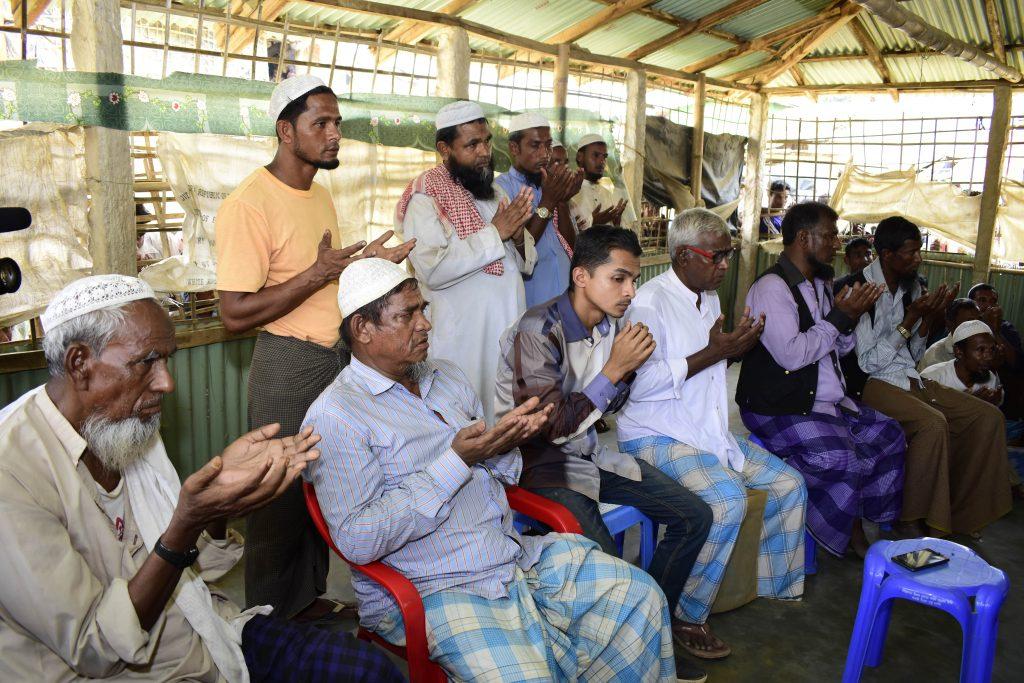
When A Religious Minority Is Muslim
The Rohingya are primarily located in the Rakhine state in western Burma. Burma's Rohingya Refugees Are A Blind Spot In Trump Order President Donald Trump's executive order banning refugees from seven majority-Muslim countries makes exceptions for religious minorities. The order, which is currently facing a series of court challenges, would also halt all refugee resettlement…
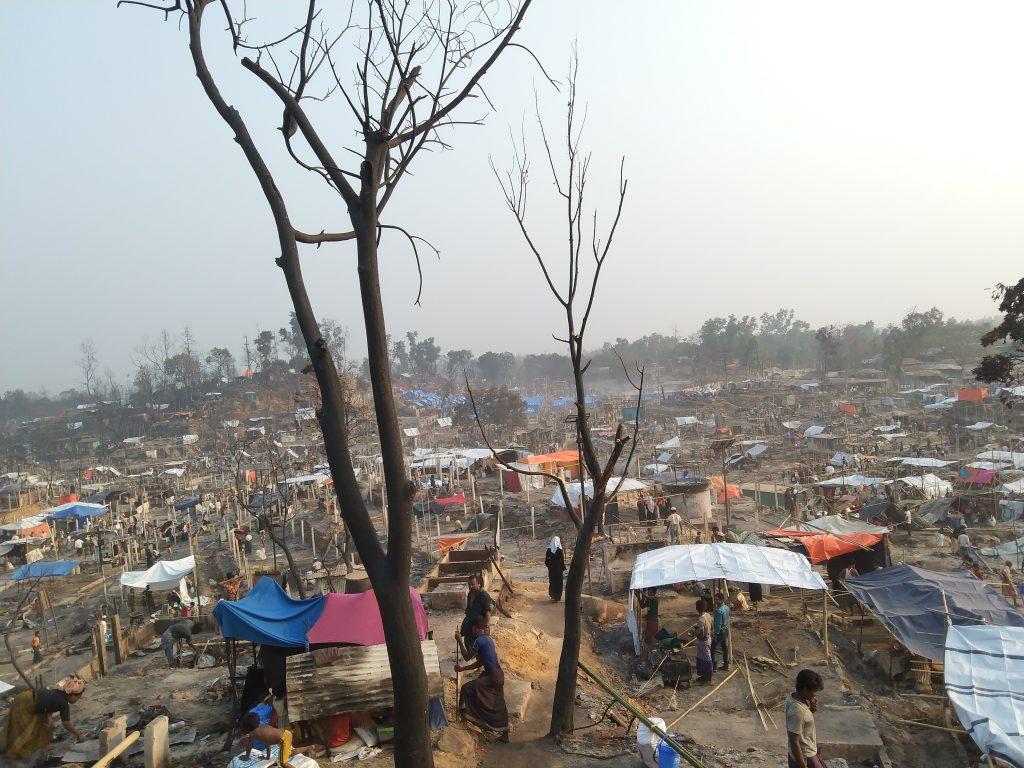
Annan To Suu Kyi: Close Camps & Grant Rohingya Rights
The government-appointed Rakhine Advisory Commission chaired by former UN secretary-general Kofi Annan urged Myanmar to close IDP camps and return rights to Rohingya Muslims. Myanmar State Counsellor and de facto Suu Kyi welcomed the report and committed the government to act on most of its proposals.
Food Flotilla Planned To Aid Rohingya: Burma Says “NO!”
An aid flotilla for Rohingya Muslims carrying food and emergency supplies is scheduled to sail from Malaysia for Myanmar’s troubled Rakhine State at the end January 2017. The Burmese Foreign Ministry has asked Malaysia to block aid to the Rohingya. Myanmar’s Home Affairs Minister calls the act of charity ‘an insult.’ Despite resistance Zulhanis Zainol,…
The Rohingya: Victims Of Burmese Military Rape – A BTF Documentary
Burma Task Force USA presents ROHINGYA: VICTIMS OF BURMESE MILITARY RAPE. This is a film about young Rohingya women, some as young as 14, who share their stories of murder and rape with acclaimed filmmaker Shafiur Rhaman. Shot in Teknaf region near the Myanmar/Bangladesh border. December 2016 & January 2017. A SHAFIUR RHAMAN FILM
Suu Kyi Censorship: Journalist Fired For Story On Military Rape Allegations
As you know, the military of Burma has been committing atrocities in the name of cracking down on terrorism in Rakhine State. They’ve been raping civilians, killing suspects without trying them in court & burning whole villages. The only reason we know about this is because of the brave people who report the news for…
Rohingya Fleeing Burma Amid Violent Crackdown
As the Burmese armed forces continue their brutal crackdown on Rohingya communities in the name of “security” and fighting “terrorism,” credible reports of extra-judicial killings against the Rohingya continue to mount. So far at least 26 Rohingya have been killed and there are reports of rapes and arbitrary detentions. Sadly, many Rohingya who in the…

Ban Ki-Moon Visits Burma, Highlights Rohingya Rights
UN Secretary General, Ban Ki Moon, visited Burma and met with Aung San Suu Kyi, the de facto civilian leader of the nation. Moon, appealed to the leadership of Burma and the Burmese people to give the Rohingya their rights as citizens in the country. In a reference to the ongoing and contentious debate advanced…

The Hill: No Democracy In Burma Without Rights For Rohingya
Friday, Aug. 19* was World Rohingya Day, marking an opportunity for the global community to truly commit to alleviating the suffering of the Rohingya people. In light of the ongoing crises occurring elsewhere in the world, the plight of the Rohingya often fades from the international spotlight. World Rohingya Day is a salient reminder that…
Barriers To Freedom: Rohingya Citizenship
Rohingya have been in Burma for centuries, as indigenous people living on their ancestral land, however, they are not recognized as one of Burma’s 135 ethnic groups. The discriminatory 1982 Burma Citizenship Law makes it almost impossible for the Rohingya to gain citizenship. Although Suu Kyi acknowledged the laws are not fair she will these…
Give Zakat To Help Burma Muslims
Burma Task Force USA implores you to help stop the genocide of the Rohingya people in Burma by donating your Zakat today. Despite promises made by the Suu Kyi led government, little to no progress has been made on their behalf. The Burmese government is oppressing the Rohingya people to the point that seven Nobel Peace laureates have declared…
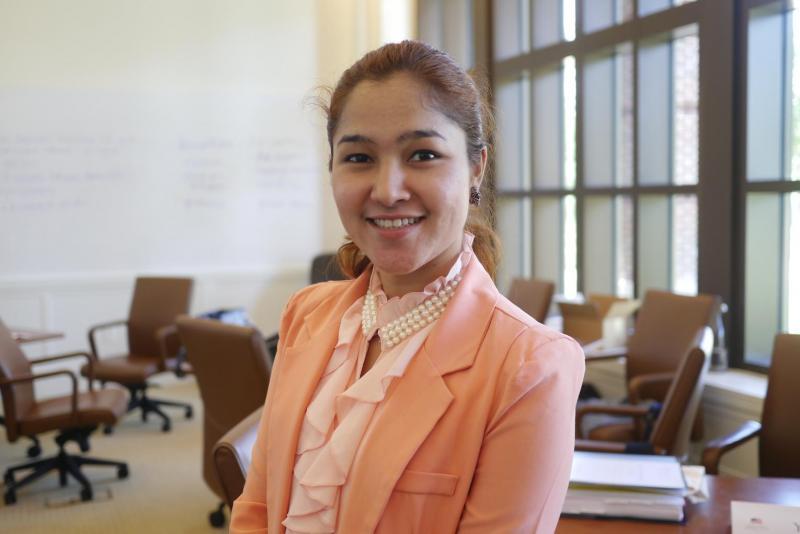
Burma’s ‘Rohingya Princess’ Has Met Obama, Why Not Aung San Suu Kyi?
YANGON, Myanmar — When she talks about imprisoned Rohingya Muslims, her people, her pretty face changes; her eyes darken, her straight-backed posture grows tense, and her voice grows louder: “The government now deny that we even exist,” she says. A walking symbol for discriminated minorities, Wai Wai Nu believes that the only way to convince her…
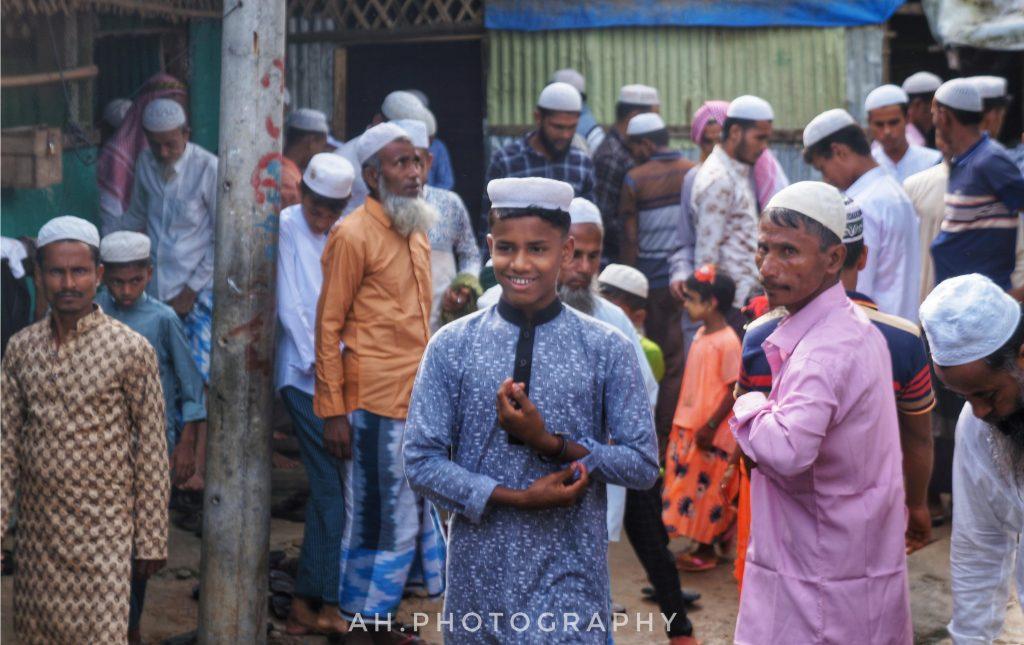
US Ambassador On Rohingya: “They Get To Choose What They Want To Be Called”
Without using the word himself, Scot Marciel, the new US ambassador to Myanmar, said Muslims in Rakhine State have the right to use the word “Rohingya.” “They get to choose what they want to be called,” he said in his first public remarks at Yangon’s American Center, reiterating the US stance that communities have a…
Caught By Selfie: Burmese Police Held For Beating Detained Rohingya
The savagery being meted out in the video by Burmese military police was denied by the Burmese government until the video below, captured by a Burmese police official himself, was reported by AlJazeera English and went viral on the internet.
Racist Monks Widen Campaign Against Muslims & Christians
Buddhist nationalist monks are continuing their racist and violent campaign against minorities in Burma once again. A Facebook post by John Kanyaw Say from April 22, 2016, relayed that a 500-strong group of racist monks and laymen forced their way into a Karen state Church of England compound, in order to build a Buddhist Zedi (Jedi). In…
Suu Kyi’s Military: Burmese Troops Use Rape As A Weapon
In 2011 Suu Kyi said “Rape is used in my country as a weapon against those who only want to assert their basic human rights, especially in the areas of the ethnic nationalities.” Now Suu Kyi, the de facto leader of Burma, brushes off horrific claims of military rape and extrajudicial killings of the Rohingya…
Burma Lifts Curfew That Has Been In Place For Four Years In Rakhine State
A curfew that has been in place in Western Rakhine state since the 2012 pogroms stoked by extremist Buddhist nationalists against Rohingya Muslims has been lifted. The AP reports that, “State media reported President Thein Sein lifted the nighttime curfew on Monday on the recommendation of the state government, which felt it was no longer necessary.” Questions…
Burmese Blame Game Leads To Attacks Against Rohingya
For three weeks the Rohingya of Northern Rakhine state have been reporting grave abuses against them, perpetrated by the Burmese military. It started by collective blame being placed on the whole Rohingya populace.
Burma: Major Events In 2015
By Tamara Abu-Elreish Boat Crisis: The country of Burma captured international attention in May 2015 when thousands of refugees were shown fleeing Burma by sea. An estimated 6,000-7,000 migrants and refugees were found in crowded boats facing critical conditions drifting off the shores of neighboring countries: Thailand, Malaysia, and Indonesia. A shocking denial from each…
Burma Task Force Calls On President Obama To Raise Rohingya Plight At ASEAN Summit
On February 15-16, President Barack Obama will be hosting a summit in Sunnylands, California with leaders of the Association of Southeast Asian Nations (ASEAN). The summit is expected to result in the inking of a cooperation pact between ASEAN nations and the USA: The result of the summit will be issued in cooperation guidelines, called the Sunnylands…
VICE News Reports On Escaping From Burma
At short 17 minute video shot by VICE reporters in Rohingya camps in Burma and visiting the Rohingya refugee community in Malaysia. It is an all too familiar scene that the world has grown accustomed to: suffering Rohingya families, who have lost children on perilous boat journeys, suffer from malnutrition and endemic health issues. In…
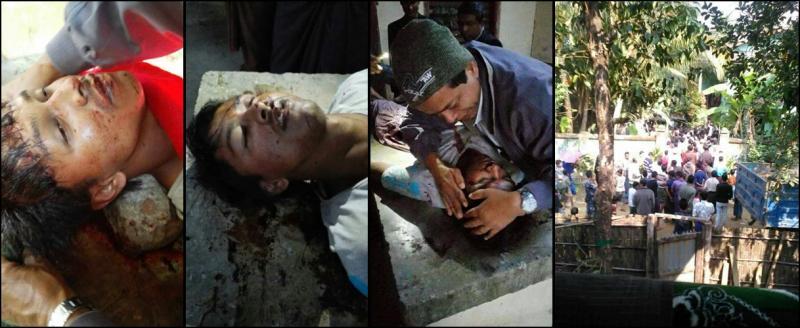
European Rohingya Organizations Condemns Government Brutality
The European Rohingya Council has condemned the killings of two Rohingya fishermen by the Border Guard Police and the death, due to medical negligence in treating a Rohingya man beaten by Rakhine extremists in Sittwe. The violence perpetrated by both the Border Guard Police and extremists, as well as the neglect of medical authorities is…
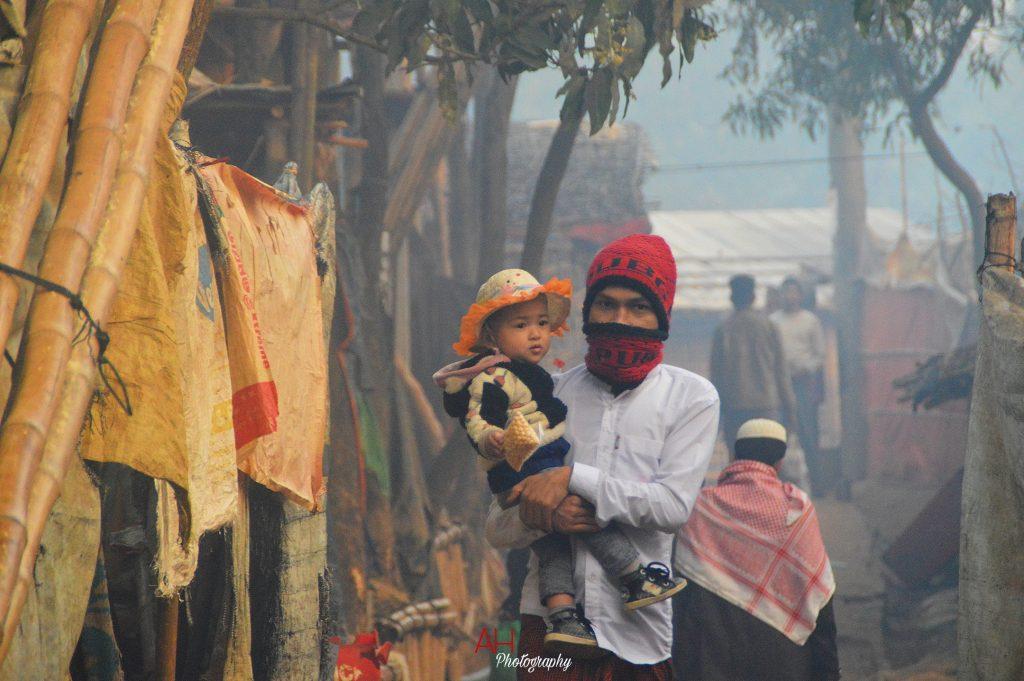
BREAKING: Innocent Rohingya Murdered By Burma Border Police
Burma’s Border Guard Police in Rakhine state has a history of abusing Rohingya in Rakhine state. The past few months have seen cases of murder, intimidation and theft perpetrated by Border Guard Police. Now news reports from the region indicate that a Rohingya teenager, just 14 years-old, has also been killed by Border police. The BurmaTimes reports that…
#FreeMamedullah
This is Mamedullah, age 27. His full name is Muhammed Ullah but his friends and family call him Mamedullah for short. He is one of the few Rohingya to gain himself an education in his village in Maung Gyi Taung in Buthidaung township, against all the odds. He studied physics for three years at Sittwe…
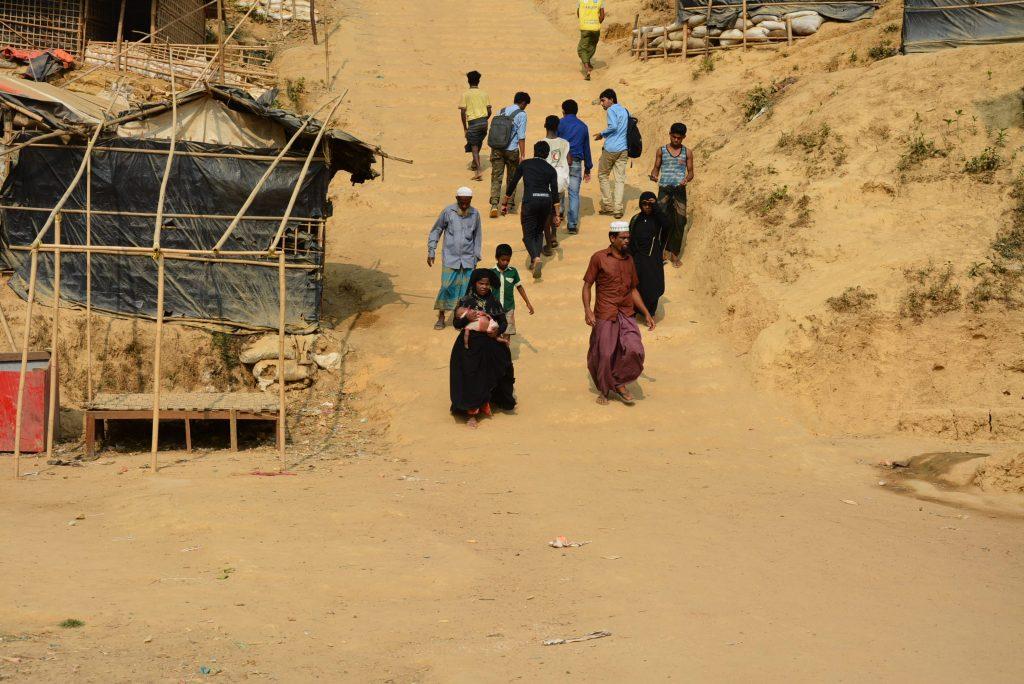
Rohingya Starting To Flee Into Assam
Facing genocide and endless state-led persecution the Rohingya population has been on the move in tremendous numbers in the past year. They have fled and sought refuge in neighboring countries; even taking perilous boat journeys. Now there are entering the Indian state of Assam in greater numbers as well.: As persecuted Rohingya Muslims flee Myanmar,…
The Everyday Way Rohingya Are Dehumanized In Burma
A story yesterday on Irrawaddy.com reported an incident in which two Rohingya men were arrested over a dispute between local Rohingya and ethnic Daingnet men, accused of stealing their goose.: “RANGOON — Police in Arakan State’s Buthidaung Township have arrested two Rohingya Muslims accused of assaulting two ethnic Daingnet men in a quarrel stemming from disputed ownership…
How The Rohingya Have Been Excluded From Myanmar’s Landmark Elections
Clear evidence of the fact that the anti-Muslim movement is coordinated by the Myanmar government itself is now out in the open, with research conducted by multiple organizations, still awaiting comment from the government. An article in The Nation summarizes the grievances of the Rohingya, particularly regarding the upcoming elections. “The exclusion of the Rohingya is a…
Rohingya Woman Fleeing Burma Sold Into Marriage
She fled Burma in hopes of a better life in Malaysia, and she literally had to sell herself into marriage in order to get off of the boat. An article in the Irish Times tells the story of Ambiya Khatu, whose family was unable to pay the ransom money to the smugglers, so a stranger offered to…
Myanmar’s Disenfranchised Rohingya
U Shwe Maung, a member of Myanmar parliament who was claimed ineligible to run for re-election due to supposed issues of citizenship, recently wrote an opinion piece for the New York Times. “I wish I could say I am an exception. But Rohingya, along with most other Muslims in Myanmar — who together make up at…
Rohingya Prisoners Face Abuse, Torture
A recent report shows that almost 1,000 Muslim Rohingya — many of them children as young as 10 — remain jailed in Arakan State for supposedly inciting the violence that killed so many Rohingya last year. Many have died in custody, and the rest are subject to “pervasive” abuses. DVB news said that torture, violence…
Rohingya Unable To Receive Aid; Take Action
Thousands of Rohingya who were uprooted from their homes are forced to beg for food and live in deplorable conditions because they are not receiving international aid. A disturbing report out of Burma shows that many Rohingya are not being officially registered by the government as official “internally displaced persons,” which means they are not…
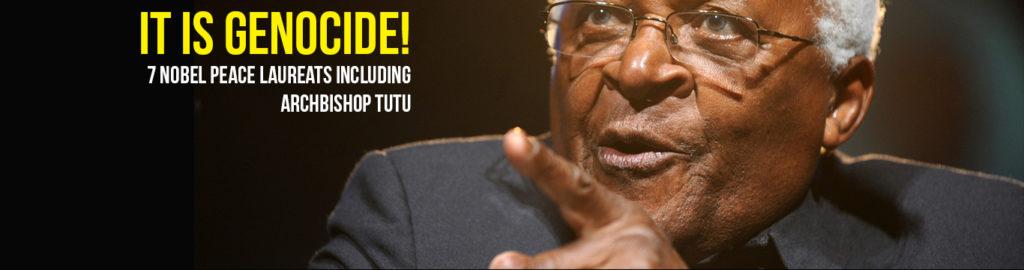
Nobel Laureates
Tawakkol Karman from Yemen Adolfo Perez Esquivel from Argentina Desmond Tutu from South Africa Jody Williams from the United States Shirin Ebadi from Iran Leymah Gbawee from Liberia Mairead Maguire from Northern Ireland These seven Nobel Laureates describe the situation of the Rohingya in Burma as a genocide. Watch the video linked below to see how they called for an end to…

The Threat To Burma’s Minorities
Article from The Harvard Gazette Harvard Staff Writer Alvin Powell Burma’s Rohingya people are being slowly squeezed from their homeland by decades-long government policies that critics say deny them citizenship, health care, work, and schooling, with such tactics punctuated by killings, destroyed homes, and tens of thousands sent to camps. That was the picture painted…
Hear from Us: Get updates in your mailbox
Act Now: No more delay on Burma Bill
Action Alert: No More Delay on Burma Bill
Since 2012, Burma Task Force has worked to challenge the genocidal policies of the Burmese Government targeting the Rohingya Muslim minority with mass rapes, mass atrocities and mass displacement. Facebook has been slow to stop incitement to violence. China protects its client state Burma from international sanctions. Some governments continue to sell arms to the brutal Burmese military. Even the US State Department is reluctant to declare the crisis a genocide. Therefore millions of Rohingya women, men and children continue to suffer, imprisoned in refugee and displacement camps, not only in Bangladesh and Burma, but throughout the region.
The challenge we face is not limited to providing humanitarian aid such as healthcare and food. The Pandemic has complicated even basic services, but what about refugee access to work and to education? What kind of future will the Rohingya endure without rights, without justice? Without your help, Rohingya children will have no hope of a normal life.
Rohingya are human beings, not threats and not problems. Please help us advocate for these sisters and brothers. Stand with us in unity and support.